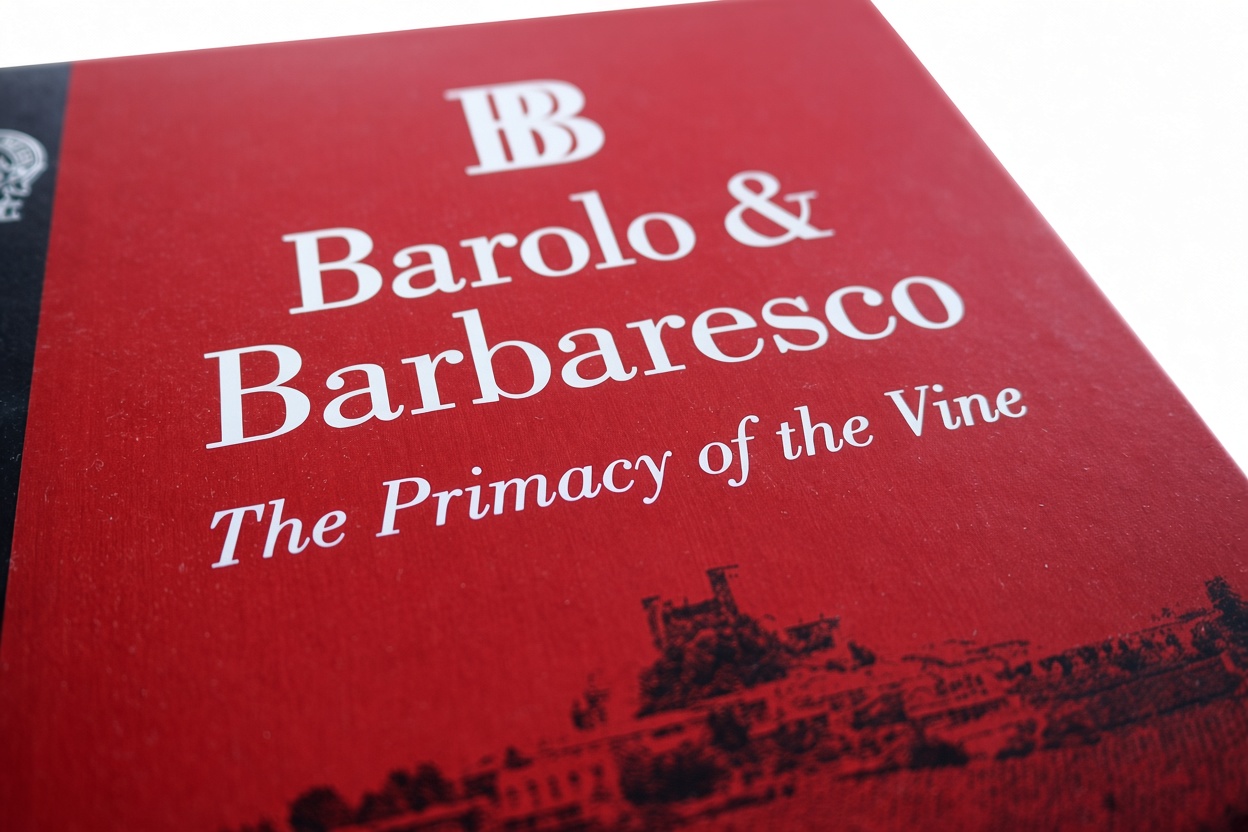
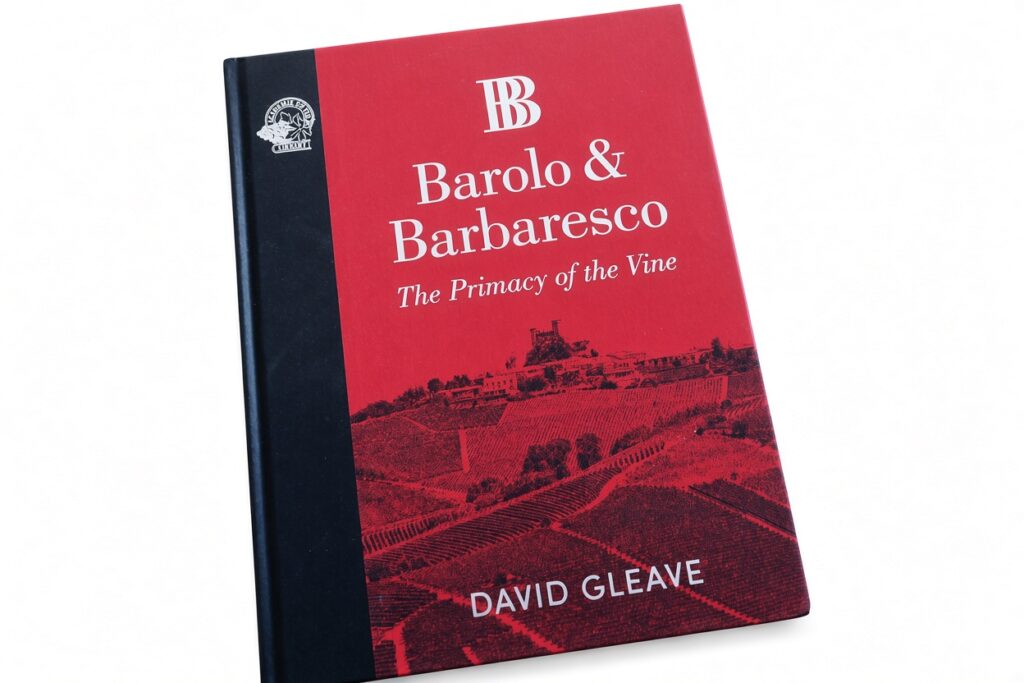
Books: Barolo and Barbaresco, the primacy of the vine, by David Gleave
Barolo and Barbaresco: the primacy of the vine
David Gleave
Academie du Vin Library, 2026
David Gleave is best known for his involvement in Liberty Wines, an agency/importing business based in London which he co-founded in 1997, and finally left only this month. Liberty have an important Italian portfolio, and he’s been representing the wines of some of the top Barolo and Barbaresco producers for many years, a conflict of interest he declares right at the beginning of the book. But this involvement has given him a glimpse behind the curtain, and this level of involvement with the region means that he’s got a depth of knowledge that helps when writing a book like this. He knows his subject well. [Interestingly, when it comes to Gleave he’s not been simply a passive partner in his commercial relationships with wineries, just taking and selling the wines. He’s got involved. He’s on the board at Vajra, for example, and in Tuscany he’s the one (along with his close ally Matt Thompson, a well respected New Zealand winemaker) who persuaded Paolo di Marchi to switch to screwcaps for Cepparello in the UK market in 2005.]
As you’d expect, the book begins with some history. And this is nicely done. The takeaway is that it’s amazing to see what a modern phenomenon fine wine from these two regions is. Back in the day the Alto Piemonte (Ghemme, Gattinara et al) was a much bigger and more significant region than the Langhe, and as recently as the 1950s Barolo and Barbaresco were very poor regions. It wasn’t until the 1960s that things got moving in terms of making decent wines. And in the 1960s and 70s Barolo was largely a blended wine, without the current emphasis on villages or vineyards. I can’t think of another European fine wine region that has undergone such a rapid transition in status.
Then we enter the cellar, for a look at winemaking. This is a really important and well-managed chapter. The rise of the barrique is charted, and Gleave highlights Guido Rivella, winemaker at Gaja, as beginning the small oak trend in the 1970s. Soon other producers were experimenting with barriques. Part of this drive was an attempt to make cleaner wines, as by using newer barriques the chance of dirtiness from the old wood was lessened. A shorter period in small barrels, as opposed to three years in large oak, resulted in fresher wines. We have the tension between the traditionalists and modernists (Bartolo Mascarello’s ‘No barrels, no Berlusconi’), which has now thankfully more-or-less resolved.
Chapter 3 is all about the vineyards, and then we launch into a tour through the different villages, highlighting the top individual vineyards in each. This is a substantial and important chunk of the book.
Chapter 5 is the producer profiles, another important section. Finally, the last section is much briefer, and highlights some of the restaurants in the region.
With a book like this, it’s important that you know what you are going to get. The focus here is solely on Barolo and Barbaresco, and on Nebbiolo, but not Langhe Nebbiolo. We are just talking about bottles with Barolo and Barbaresco on the label. Personally, I’d have really liked it to include discussion of the other varieties, which are an important part of the landscape here, but this isn’t what this book sets out to do. If you want a more general guide to the Langhe, this book isn’t it.
So, my conclusion? It’s hard to fault this book as a brilliant overview of Barolo and Barbaresco, and it’s nicely produced. It seems expensive, at £75, but this is only because most wine books are too cheap. More coffee table than pack-to-take-on-your-trip in size, this is a welcome addition to the wine literature.


