Boekenhoutskloof: a vertical of Semillon, and the 2023 new releases from this top South African winery
If any observer of the South African wine scene were to make a list of the top 10 producers, then it’s highly likely that Boekenhoutskloof would be near the top of this list.
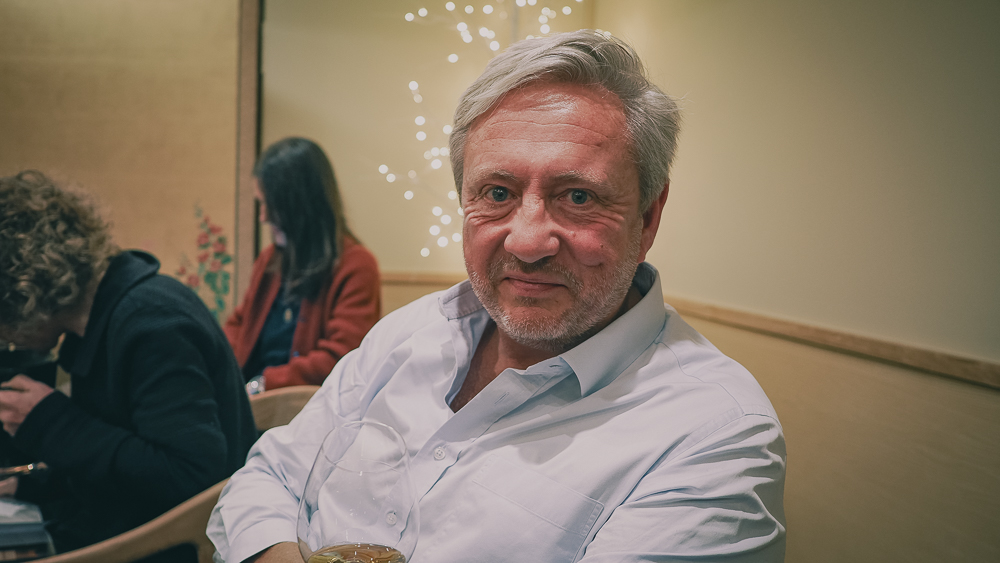
Thirty years ago, Marc Kent made his first wine from this Franschhoek farm, a Cabernet Sauvignon from the 1996 vintage. South African wine was quite different then. It was just two years after the emergence of the new democracy under Mandela, and the sorts of wines that Marc began making were quite remarkable. From the beginning he wasn’t restricting himself to his own farm, but he was looking for other interesting vineyard sources.
It was quite a twist for Marc to turn to wine. ‘All I ever wanted to do is fly aeroplanes,’ he says, but his potential career in the South African airforce didn’t take off because of the changing political landscape. But now he’s more than glad he’s making wine.
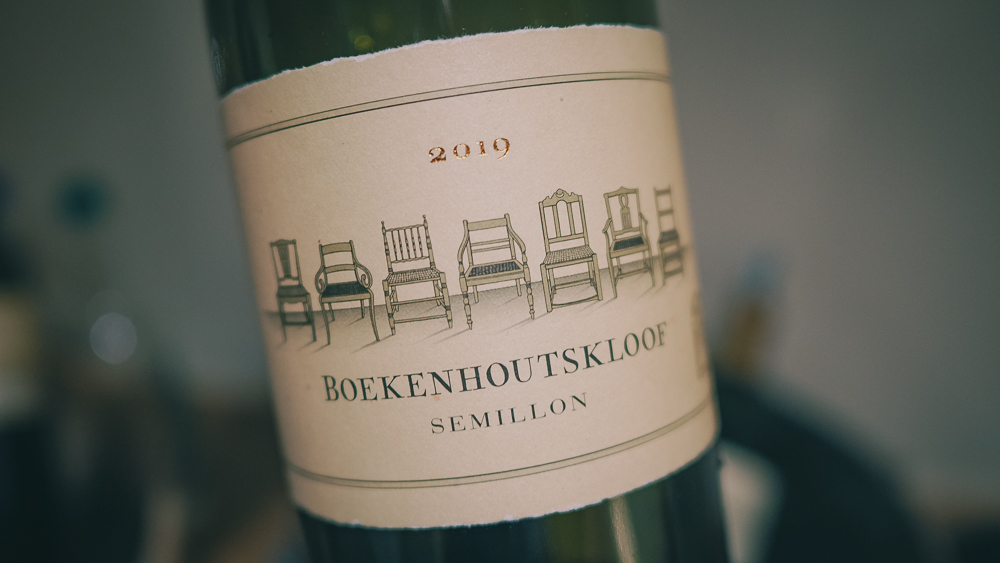
The following year he began making his Semillon from old vines in Franschhoek. This wine has gone on to become legendary, and one of the reasons for this tasting was to do a vertical going back to 2007.
But in 1997 he also started making Syrah, and the debut vintage, from a vineyard in Somerset West (Stellenbosch) that’s now a car park, went onto become one of the country’s legendary wines. Despite a pH of over four (4.09), it aged beautifully, and this redefined this variety for South Africa.
I remember tasting it back in 2005 when I first visited South Africa on a wine trip (I’d holidayed there in 2003). There’s a report on this visit here.
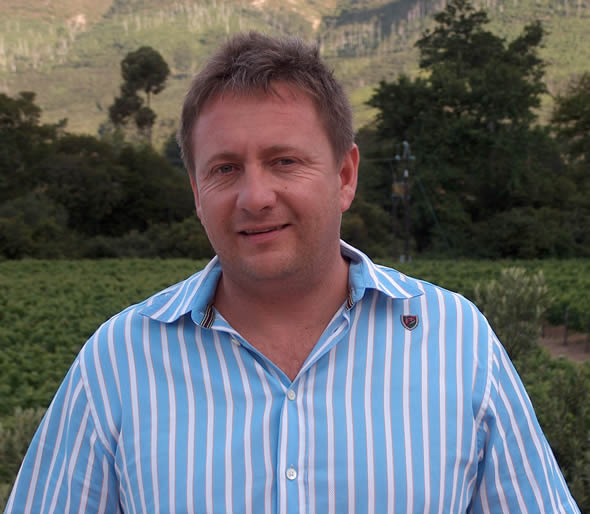
Marc has always been very astute in his portfolio management. It has had a pyramidal structure, with Porcupine Ridge, and inexpensive supermarket wine, at the bottom, then the hugely successful Chocolate Block in the middle (this now retails at £27 in the UK and has a huge following), and then Boekenhoutskloof and his Swartland farm Porseleinberg at the top. He now has six properties in four regions, and a life change has seen him move to Portugal on a permanent basis (although he still spends four months a year in the Cape). He’s living in Coimbra, and has two Douro quintas where is he is making wine together with his life partner, Rita Marques, previously working with her family winery Conceito. Their label is Vinhos Invencível – Invincible wines!
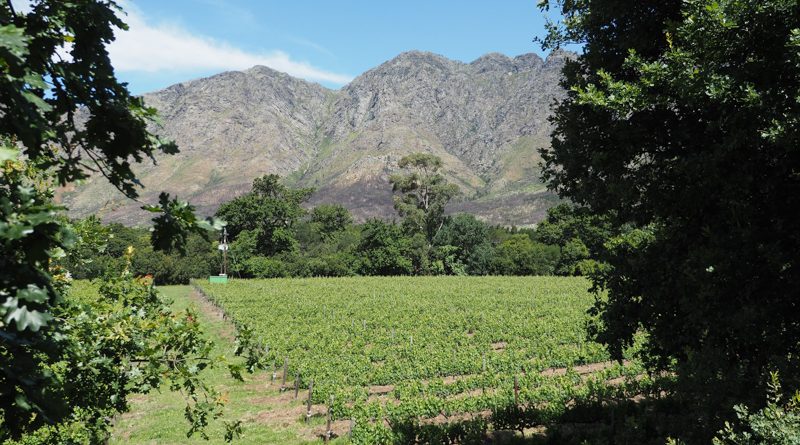
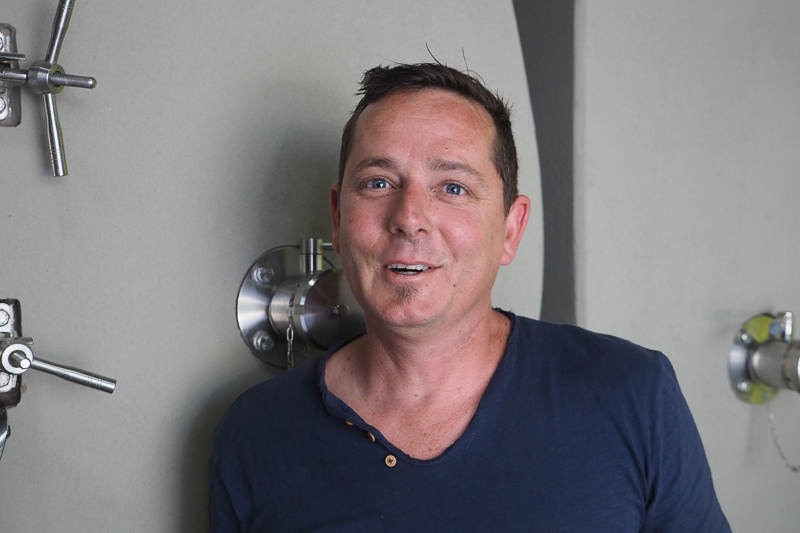
Marc says that spending time away from Boekenhoutskloof hasn’t been a negative for wine quality. ‘It has allowed my team to really grow,’ he says. He still does assemblage on all the wines. Heading the cellar in Boekenhoutskloof is the talented and immensely capable Gottfried Mocke. Porseleinberg was from its outset led by Callie Louw, but after 15 vintages Callie has left for his own venture, and so he’s been replaced by Eben Meiring, who was working under Gottfried in Franschhoek. Don’t expect the style of Porseleinberg to change at all: it will still keen its differentiation from the Boekenhoutskloof Syrah, even though the bulk of the latter is from the same farm.
The Porseleinberg farm came about when Marc was looking for fruit for Johan Reyneke in 2009. He heard about an organic Syrah vineyard that was supplying some of Eben Sadie’s fruit for Columella. He got a ton and a half of the 8 tons available, and then it turned out the block was for sale, so he bought it. This older block was then supplemented by newer plantings, but has always been the backbone for Porseleinberg. The first vintage, 2009, became a Cape Winemakers Guild wine, and the first vintage of Porselienberg was 2010. Marc now has 200 hectares of vines in the Swartland over three sites.
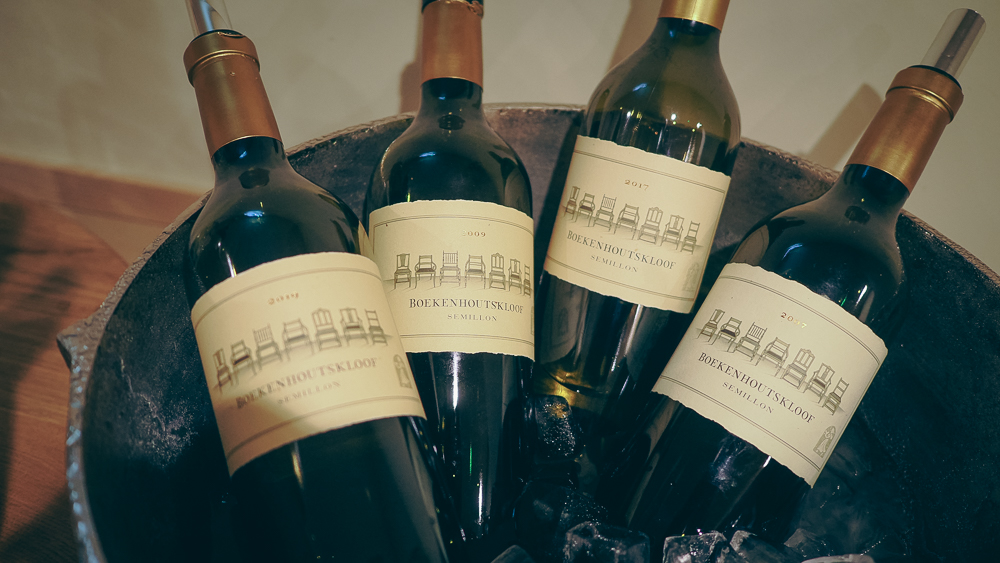
So, to the Semillon. The first vintage, 1997, was from the 1902 block, one of the oldest vineyards in the Cape. ‘The reference for me was always white Pessac or Graves,’ says Marc. He uses oxidative handling, to help make a wine for longer ageing ‘There’s no acidification of musts,’ he says, ‘and we learned quickly that we had to up our game.’ So in 2008 they began adding a splash of Sauvignon to lift the acidity. More recently, they’ve found a source of very old Muscat, grown on a pergola, which they pick early to do the same job of natural acidification (this has been since 2019, and it’s aged in a concrete Tava).
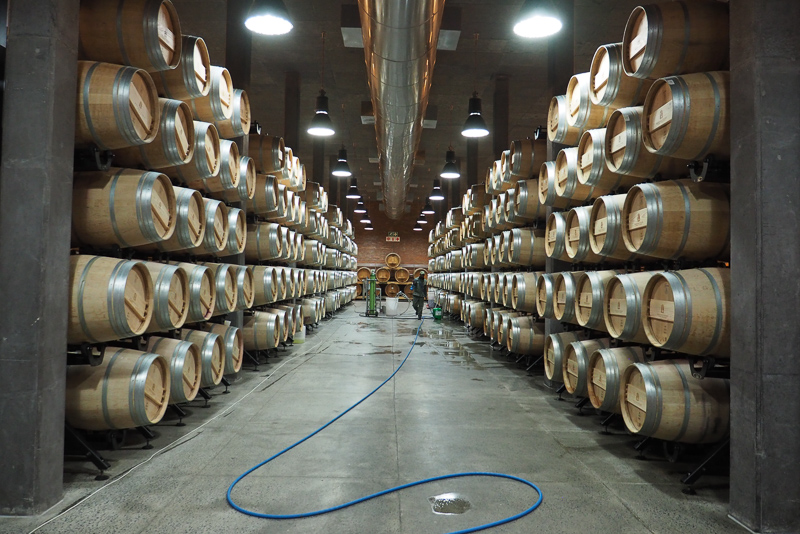
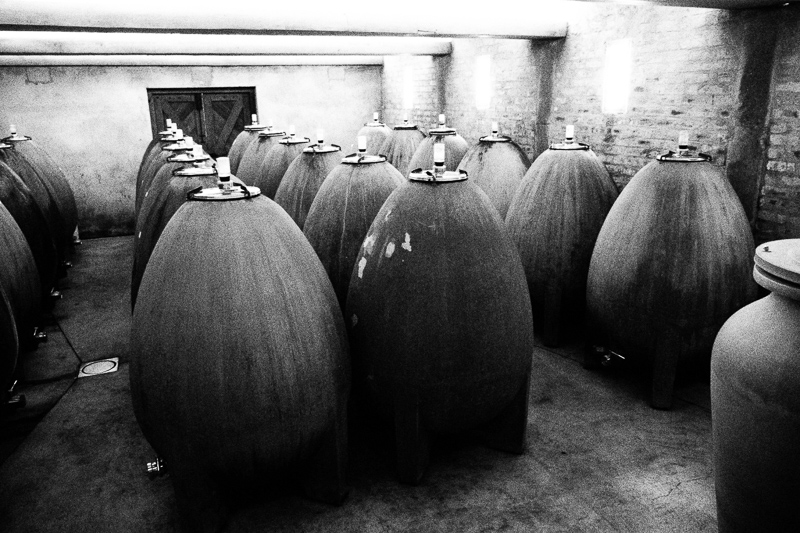
Until 2017 they used 100% new oak, but kept the barrels in a cold room to keep the temperature down and limit uptake of oak lactones. From 2017 onwards they have taken some fruit from another old Semillon vineyard, La Colline (1936), and they also started using concrete eggs. They have 24 of these.
There are no sulfite additions until just before bottling, when they add a splash of the next season’s Sauvignon (now it’s the Muscat) after a small sulfite addition to deal with any aldehydes. The wine ages beautifully.
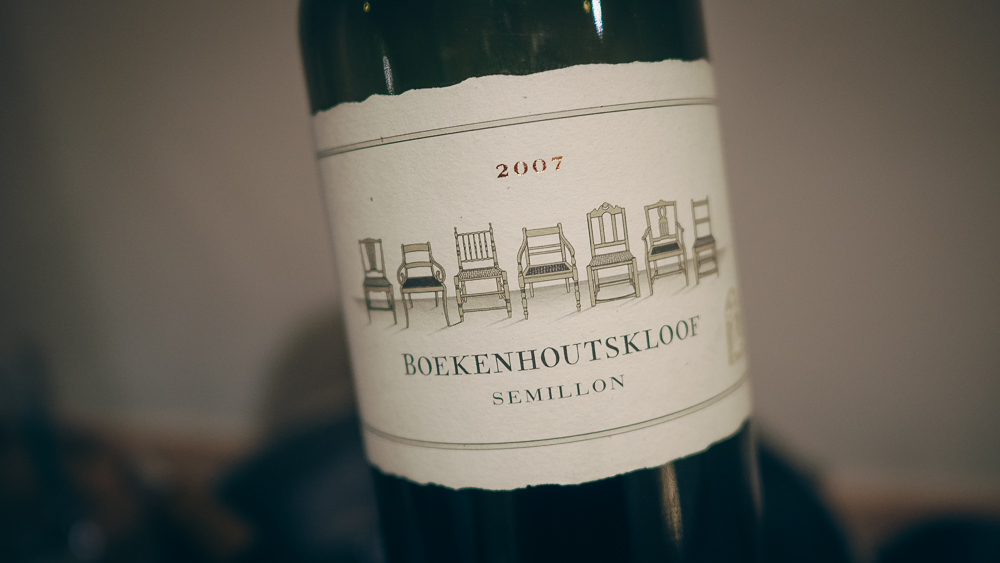
Boekenhoutskloof Semillon 2007 Franschhoek, South Africa
Two bottles opened. The first was very deeply coloured; the second a little fresher, and my note is from that. Full yellow colour. Textural and rich with honey, wax and lanolin notes. Opening up beautifully with real focus and finess. So textural and fine, and developing very nicely. 95/100
Boekenhoutskloof Semillon 2009 Franschhoek, South Africa
This is crystalline, fresh and refined with purity and good depth and tension. Notes of lanolin and wax with some fresh crystalline fruits, and also a hint of Indian spice (fenugreek and cardamon). Some orange peel in the mix. Lovely precision allied to complexity, with some tension. This is developing very well. 96/100
Boekenhoutskloof Semillon 2017 Franschhoek, South Africa
The first year to include La Colline and the concrete eggs. Layered, generous, complex and fresh. Pristine with white peach fruit and some nice tension. Beautiful crystalline citrus with subtle honey and toast in the background. Almost perfect harmony here: so detailed and refined, but also generous and joyful. 96/100
Boekenhoutskloof Semillon 2019 Franschhoek, South Africa
70% new French oak, 30% concrete egg. Plus 4% Muscat that’s hand destemmed and fermented on skins in Tava amphorae for two weeks, then pressed back to Tava.Lovely intensity here with some spicy, mineral, matchstick reduction on the nose. The palate has more of this lovely spicy reduction under the textured pear and white peach fruit. So distinctive and mineral with good fruit density, set up for a long, graceful future of ageing. 95/100
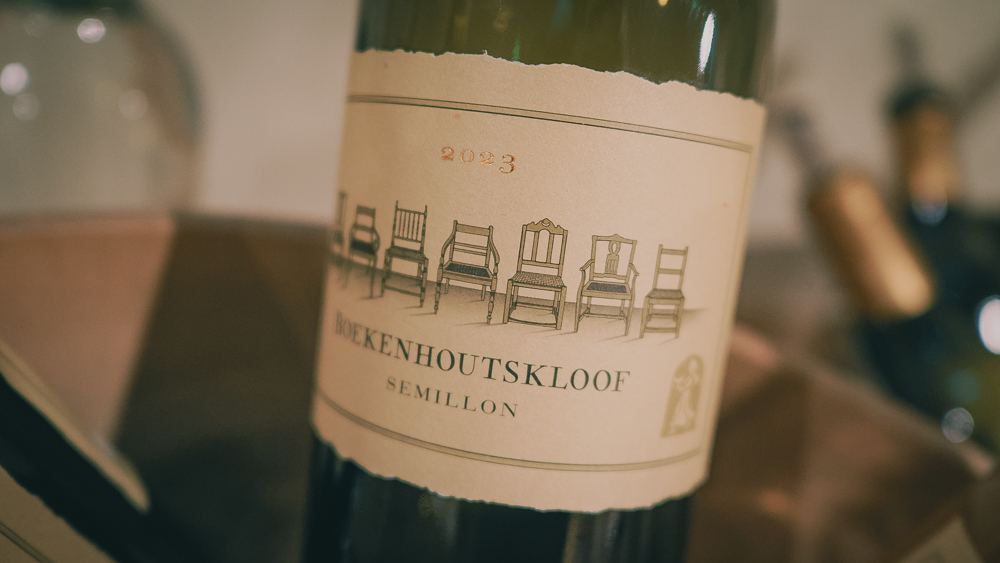
Boekenhoutskloof Semillon 2023 Franschhoek, South Africa
70% new French oak, 30% concrete egg. Plus 4% Muscat that’s hand destemmed and fermented on skins in Tava amphorae for two weeks, then pressed back to Tava. Pure, fresh, supple and quite reserved with some floral notes, citrus peel and gentle pear and peach fruit. The palate is fresh and layered with fine spicy detail and some slightly exotic herbal hints. Everything is there for a beautiful evolution. 95/100
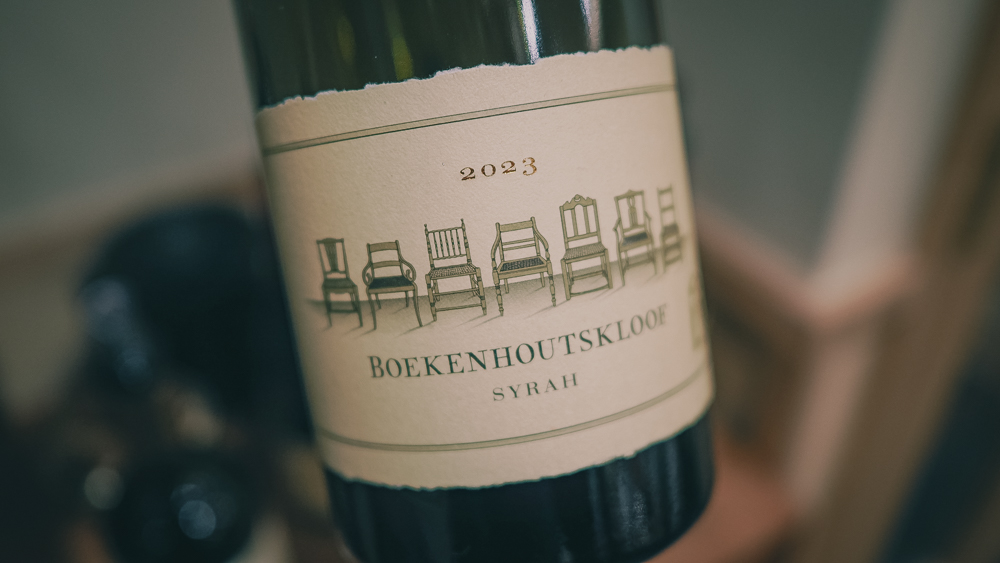
Boekenhoutskloof Syrah 2023 Swartland, South Africa
90% Porseleinberg, 10% Goldmine. The former is decomposed mica schist and is very rocky, the latter is brown schist and colluvial sandstone. Fermented in Nico Velo concrete tulips, with 60% whole cluster. Aged 18 months is 5000 litre Stockinger foudres and 600 litre Stockinger barrels. Refined nose with a core of sweet blackberry and black cherry notes with some peppery character. Refined, savoury and spicy with nice definition, and some savoury olive and cured meat notes alongside the pure sweet fruit. This has good structure, quite a bit of freshness and real finesse. A world-class Syrah. 96/100
Boekenhoutskloof Cabernet Sauvignon 2023 Stellenbosch, South Africa
North-facing slopes of the Helderberg and a SE-facing slope of the Vlottenberg. Cold maceration then fermentation in Nico Velo tanks, aged in 60% new oak. Lovely focus and concentration here with everything in its place. Pure, sweet blackcurrant fruit with some fine red and black cherry, some olive savouriness and well integrated oak. Such precision here and also great harmony. 95/100
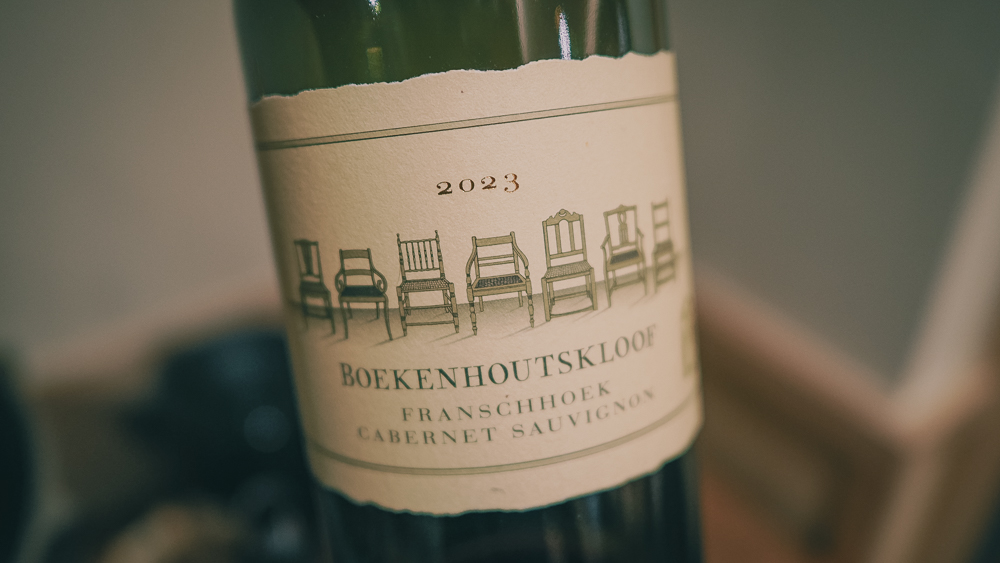
Boekenhoutskloof Cabernet Sauvignon 2023 Franschhoek, South Africa
14% Cabernet Franc in the blend. 80% new oak. Classy and restrained, and quite classic. This is so well balanced with a core of sweet blackcurrant fruit and some well integrated spicy elements. Beautiful poise, supplementing mineral intensity with some cedar and graphite notes, and really well integrated oak. Such finesse and poise. 95/100