Australia’s old vine heritage – a masterclass showing some Aussie classics
Australia has an amazing fine wine dimension, and those not familiar with Australian wine sometimes don’t realize the extent of this. A couple of decades ago Australia became associated with affordable sunshine-in-a-glass commodity wines, and this has often obscured the real story of Australian wine.
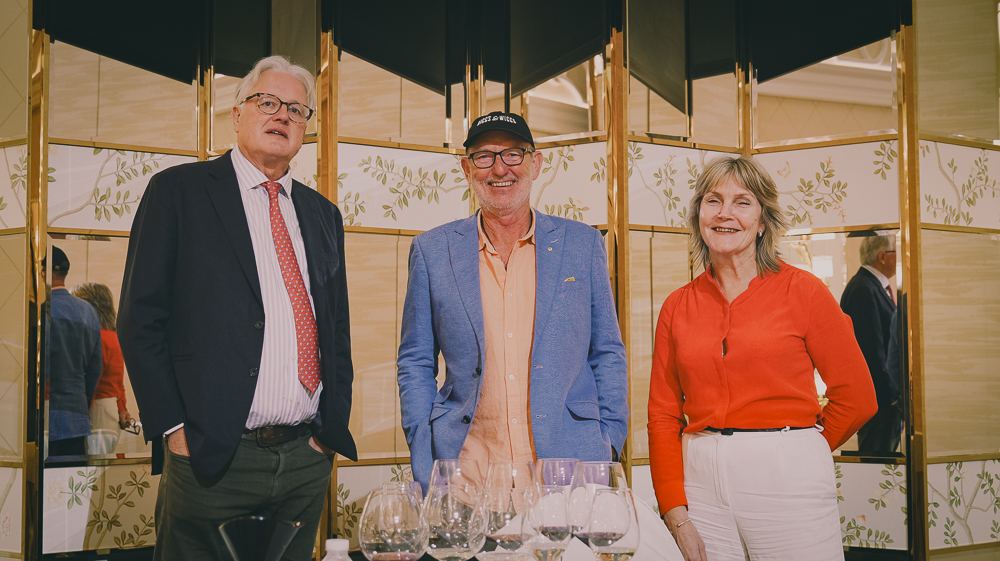
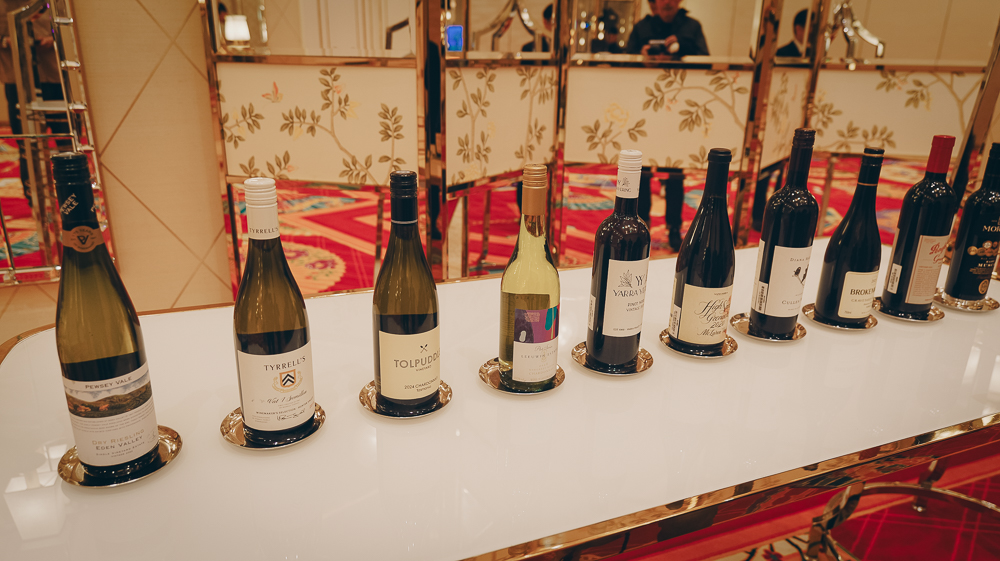
Iain Riggs, Annette Lacey and Andrew Caillard presented this masterclass as part of the Wynn Signature Chinese Wine Awards event in Macau, March 2026. The goal was to showcase the old vine heritage of Australian wine through some special bottles, looking at where wine material entered the country, and celebrating some of the old vineyards.
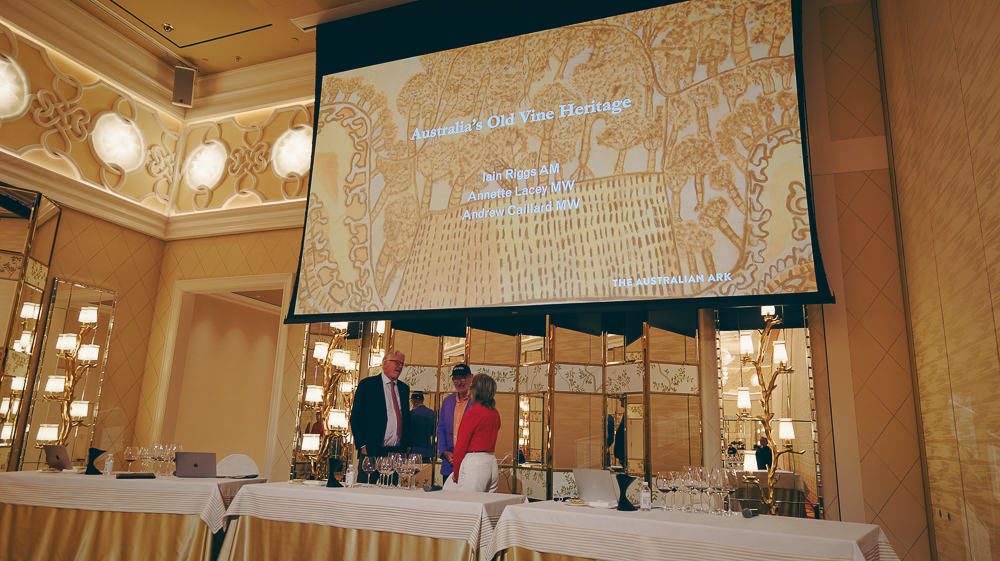
Andrew Caillard began the session. ‘When I was writing the Australian Ark I fell in love with this subject,’ he said. ‘Australia possesses the largest acreage of 19th Century vineyards in the world.’
These old vineyards are there partly because the country acted fast when phylloxera first appeared, enacting very strict quarantine laws. This means that South Australia, Western Australia and large parts of Victoria and New South Wales are phylloxera free, with plenty of old vines on their own roots.
Caillard is responsible for one of the most remarkable of all wine books. The Australian Ark is a three-volume set tracing the history of Australian wine in incredible detail. More than 4500 copies of the print run of 5000 have now been sold, which for a work like this is very impressive. So we were treated to some important historical insights during this tasting.
Interestingly, from 1788-1817 most of the vine stock that entered Australia came in from England, including the first Pinot Noir, referred to at the time as Black Stock. This was a popular grape grown against walls in English gardens. And other varieties that formed the early entries came from stops on the routes that sailing ships took.
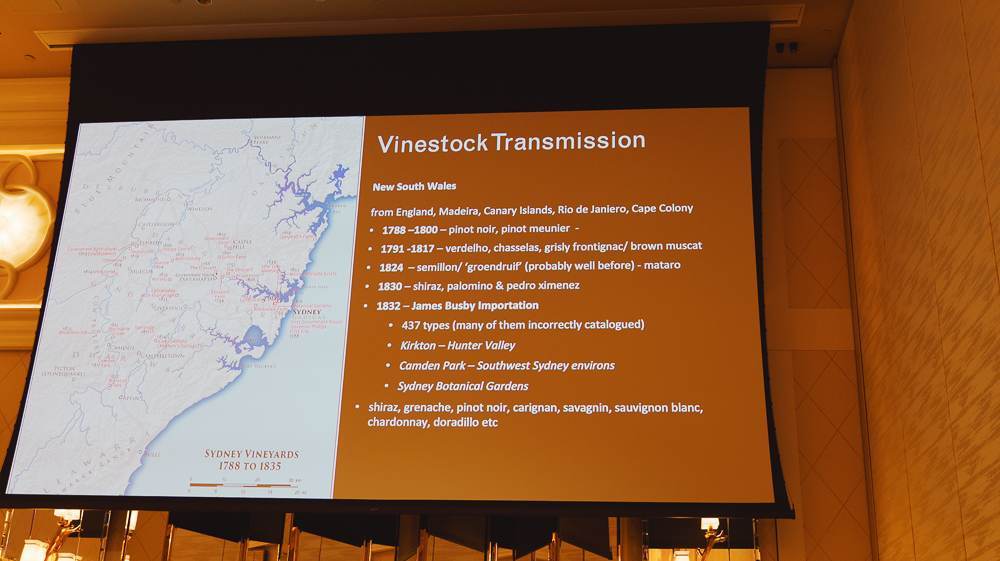
Famously, James Busby brought in 437 vine stocks in 1832, but these weren’t brilliantly categorized. Busby gets more credit than he deserves it seems, in terms of the early days of Australian viticulture, even though many of these imports formed an important segment of Australia’s vineyard plantings.
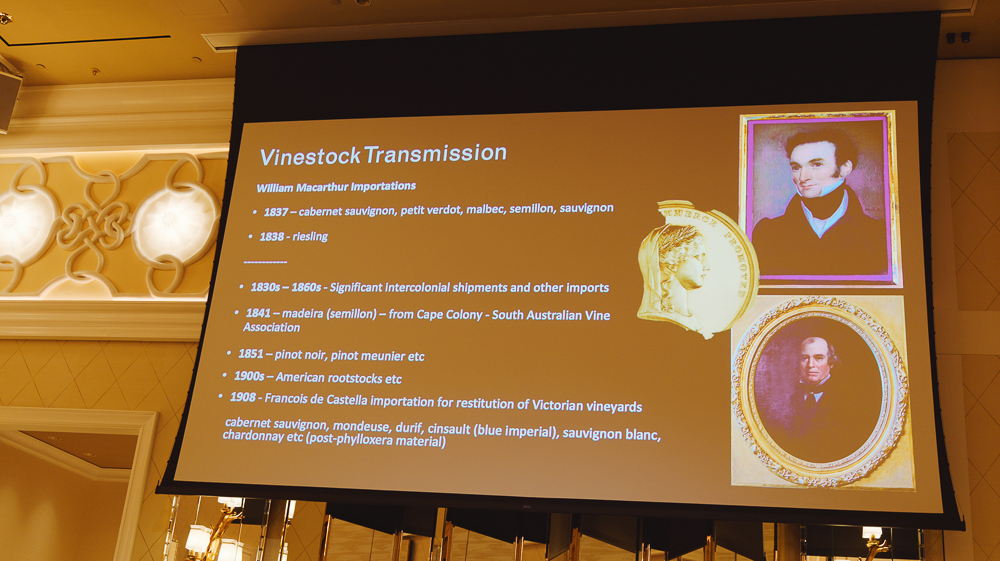
There were some supplementary importations in 1837 and 1838.
Caillard emphasized that the early founders believed that Australia would be a fine wine producer, not a producer of more commercial wines. People really believed in the future of Australia and where it would go.
So, to the wines.
Riesling. The first importation of Riesling was in 1838 by William Macarthur, who brought Riesling cuttings from the Rheingau. He also brought out some German vine dressers. The cuttings were planted at Camden and widely distributed. It was refrigeration in the 1950s that completely changed the style of Australian Riesling.
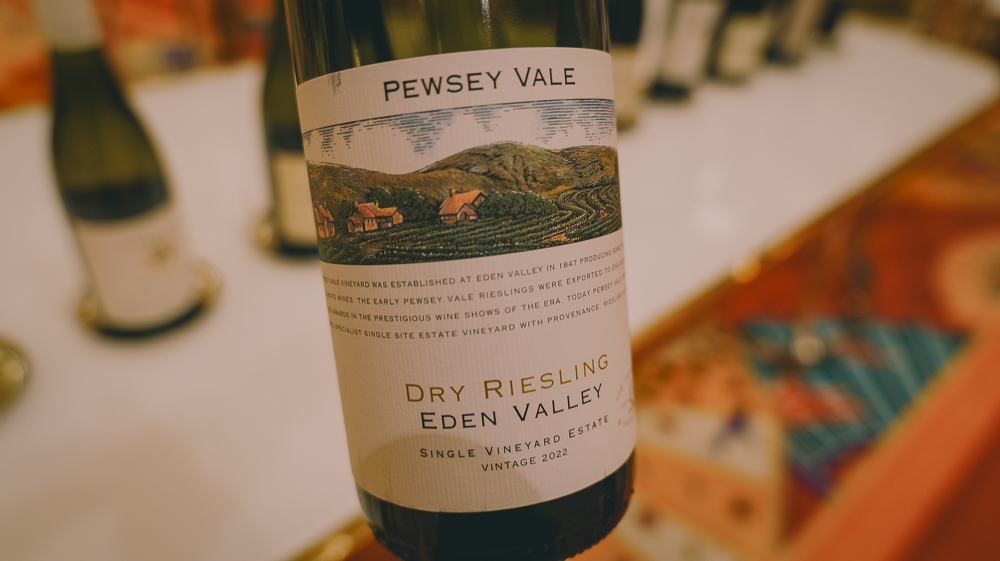
Pewsey Vale Contours Riesling 2022 Eden Valley, Barossa, Australia
Planted with cuttings from Joseph Gilbert’s vineyard planted in 1839. Lovely citrus drive with nice texture, showing pure, refined lemon and lime fruit with a subtle chalkiness to the texture. This is pure and primary and finishes juicy and long. A lovely delicate Riesling with a bright future ahead of it. 94/100
Semillon came to Australia in 1788 with the first fleet as Green Grape/Gronenduf. 90% of the early plantings in Australia were Semillon. Later it was known as Shepherd’s Riesling and Hunter River Riesling. German Riesling was one of the most expensive wines in the world, so this is why Semillon was often called Riesling. It was in 1992, when Australia and the UK signed a trade treaty, that marked a time where people had to use the true variety name.
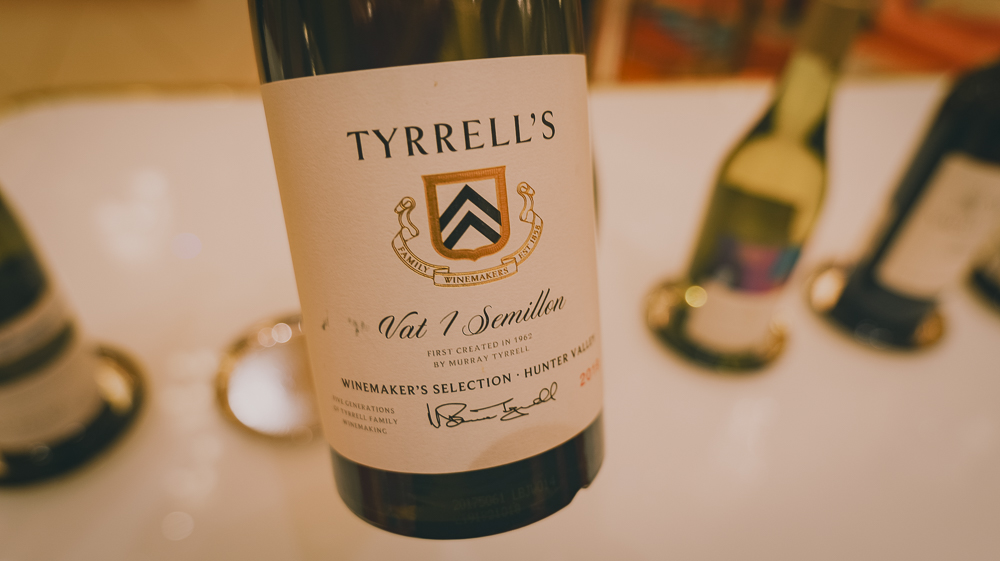
Tyrrell’s Vat 1 Semillon 2019 Hunter Valley, Australia
Based on 1923 plantings in sandy, free-draining soils. This is still very youthful with a subtle honied, waxy edge to the lively lemony fruit. There’s a hint of tinned pineapple, and some nice textural elements. Real finesse here, with lots of potential for development. Lose in the cellar for 20 years. 95/100
Chardonnay arrived in 1831 and was widely distributed around New South Wales. Interestingly, shortly after this it was also imported from Sri Lanka. And to revise a bit of long-standing Australian history, the first varietally labelled Australian Chardonnay was released 68 years earlier than most people think: a 1903 ‘Pinot Chardonnay’ (as the variety was then widely called) was shown in London at a trade tasting, although Tyrrell’s claim to have made the first varietally labelled Chardonnay in 1971. They have the 1908 HVD vineyard, which is the world’s oldest extant Chardonnay vineyard. P58 is an important clone that came from Puligny. In the 1970s the Gin Gin clone was planted at Leeuwin.
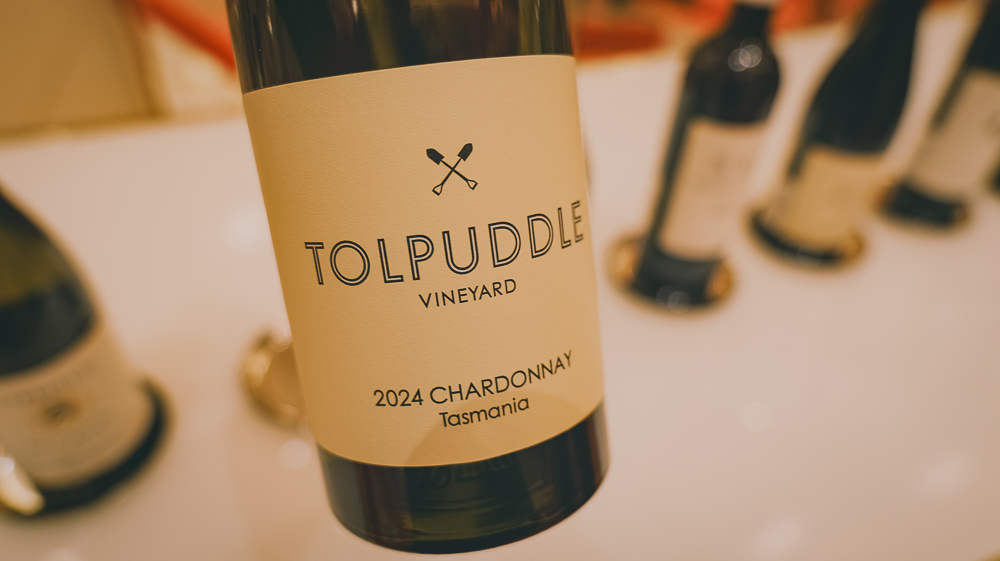
Tolpuddle Chardonnay 2024 Tasmania, Australia
1988 plantings originally for sparkling. This is mineral and textural with bright lime and pineapple fruit with real complexity, as well as good acidity. Real intensity here: powerful and focused, with impact and potential for development. So much going on in this wine. 96/100
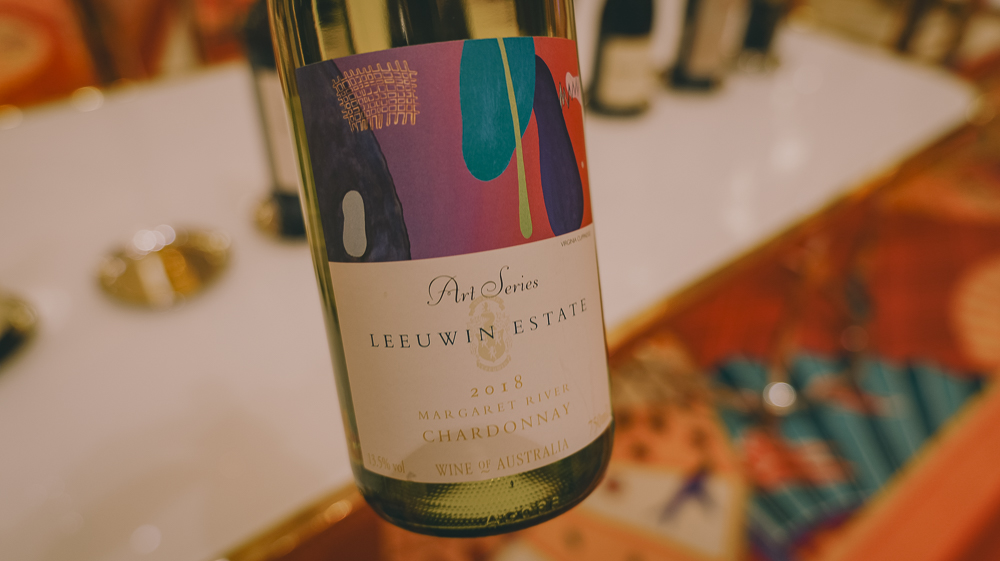
Leeuwin Estate Art Series Chardonnay 2018 Margaret River, Australia
One of Australia’s most famous Chardonnays. Gin Gin clone, 11 months in oak then 6 months in stainless steel. This combines richness and freshness. It’s concentrated and finely spiced with lemon, peach and pineapple notes as well as a touch of toasty oak. Lovely weight, and already beginning to evolve. 94/100
Pinot Noir has a long history in Australia, and pre-dates the Busby importations. The 1822 and 1827 Brush Farm wines that won awards were made of Pinot Noir. It came in early as it was an English garden wall variety. Busby brought in better clones from Clos Vougeot. MV6 comes from these, and it has been really significant. It has small berries, good flavour.
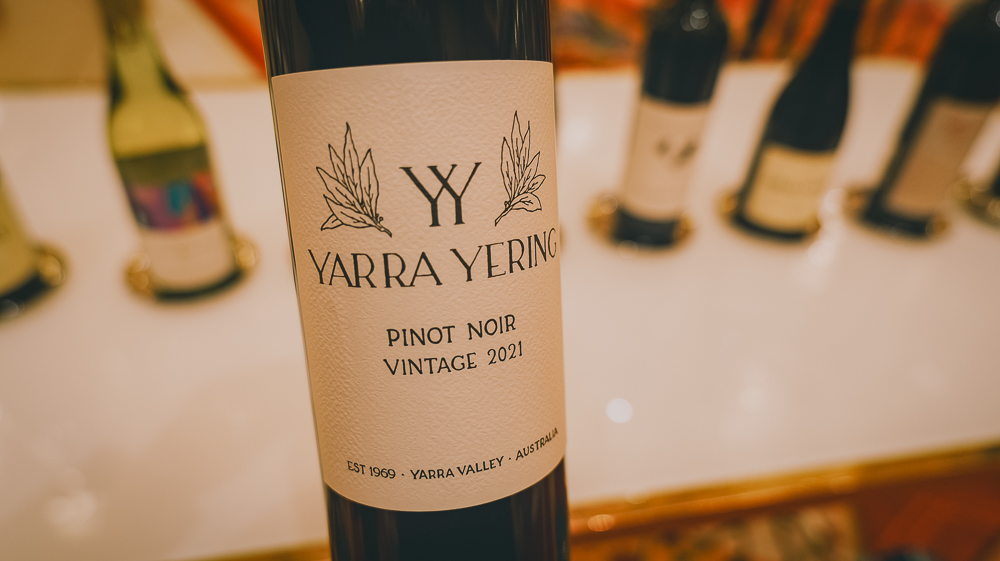
Yarra Yering Pinot Noir 2021 Yarra Valley, Australia
Low extraction then 10 months in oak (30% new). This is textured and elegant with sweet red cherries and a touch of strawberry, with silkiness and then some freshness on the finish. It’s elegant, tending towards austerity on the finish. Quite lovely. 94/100
Grenache was an 1832 Busby importation. It was frequently used a lot for Port production. The oldest surviving Grenache vines are from 1848, planted in the Barossa. McLaren Vale has Grenache from 1916. It’s really risen in status in the current decade.
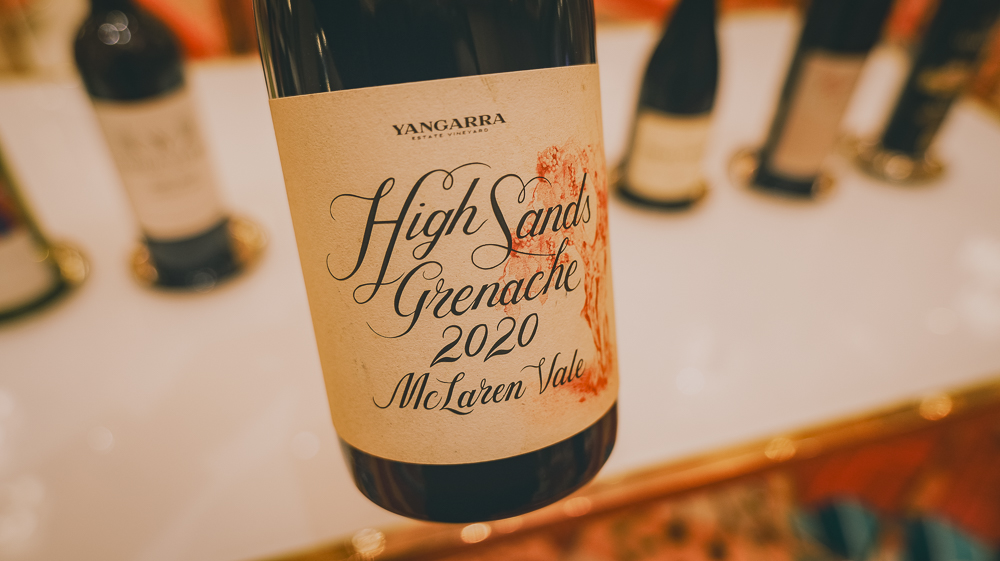
Yangarra High Sands Grenache 2020 McLaren Vale, Australia
1946 plantings in Blewitt Springs, planted by Bernard Smart. Deep weathered sands. Ceramic eggs and oak puncheons. This is pure and linear with lovely sweet cherry and raspberry fruit with a fine-grained structure. Still youthful and primary, with lovely texture and density. This could age beautifully. Fine grained and elegant. 95/100
Cabernet Sauvignon. Busby thought he’d brought some Cabernet Sauvignon with his 1832 imports, but it turned out not to be Cabernet, which was embarrassing because finding this variety was one of the key objectives of his trip. In 1837 there was a Macarthur importation of Bordeaux varieties from Barton & Guestier. It was widely distributed. Francois de Castella also imported Cabernet in 1908.
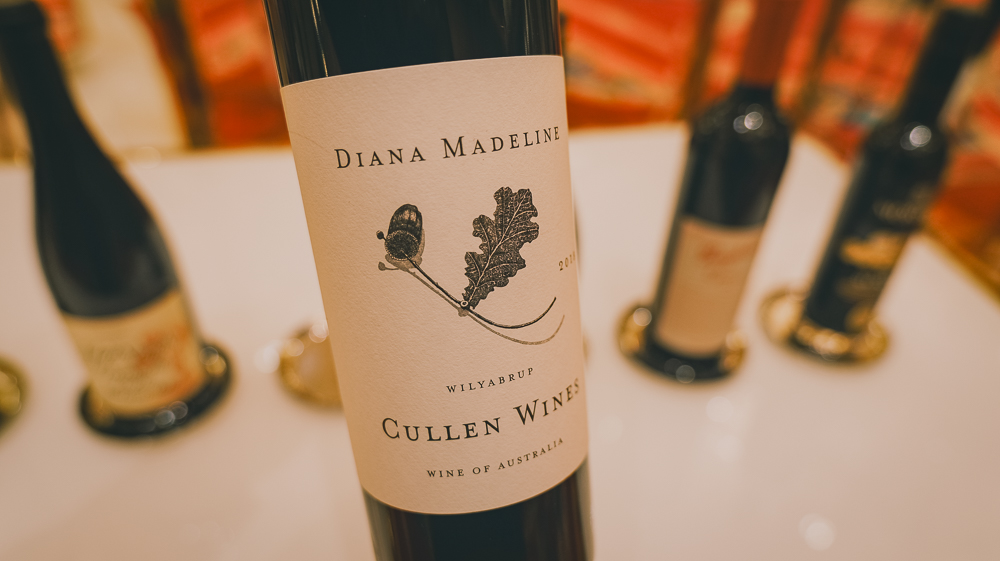
Cullen Diana Madeline Cabernet Sauvignon 2018 Margaret River, Australia
92% Cabernet Sauvignon, with the balance other Bordeaux varieties. Based on Haughton clone, which derives from the 1837 material. Biodynamic farming. 1971 plantings on free-draining lateritic soils. Barrels and amphorae. This is focused and structured, with beautifully focused blackcurrant fruit. There’s no excess flesh here: it’s lean and expressive with lovely balance, and a chalky, gravelly savoury edge framing the fruit. Good structure and intensity here. Good potential for further development. 96/100
Shiraz should have arrived in 1817, but some skullduggery in London prevented it making the journey. Some was imported in 1830, and then Busby brought some cuttings from the Hermitage hill with his other imports in 1832. It turned out to be well adapted to Australian conditions and quickly became the dominant variety. Langmeil in the Barossa have a vineyard from 1843.
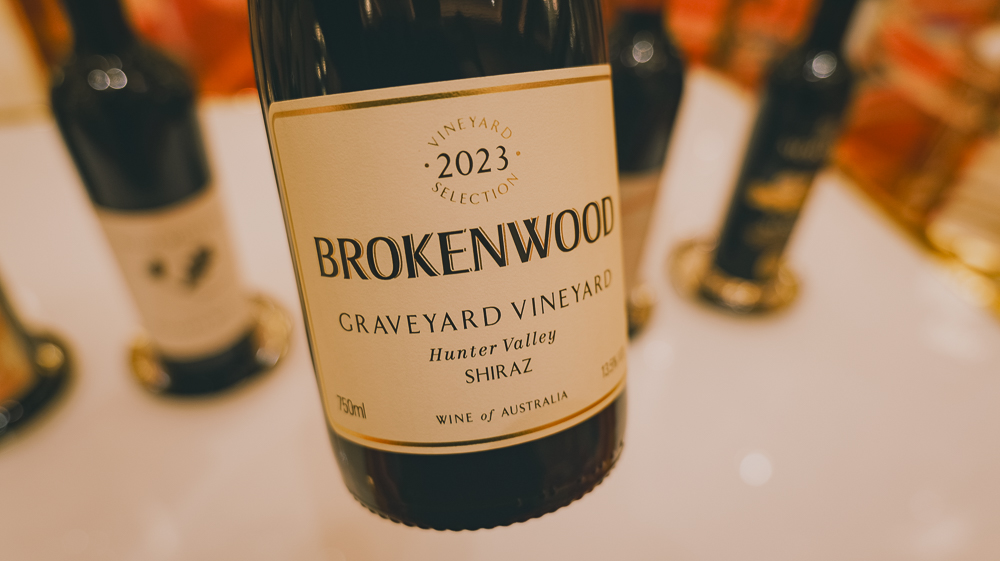
Brokenwood Graveyard Shiraz 2023 Hunter Valley, Australia
First made in 1983. It was labelled a Graveyard but was never used. Planted 1968. Clay-based soils with ironstone. 15% new oak. Concentrated but beautifully defined with some olive and pepper savouriness, as well as sleek, focused cherry and raspberry fruit. Bold and focused with lovely freshness and detail, showing purity but also some meaty, peppery complexity and good acidity. This is so fresh and lithe with complexity and potential for ageing beautifully. Brilliant. 96/100
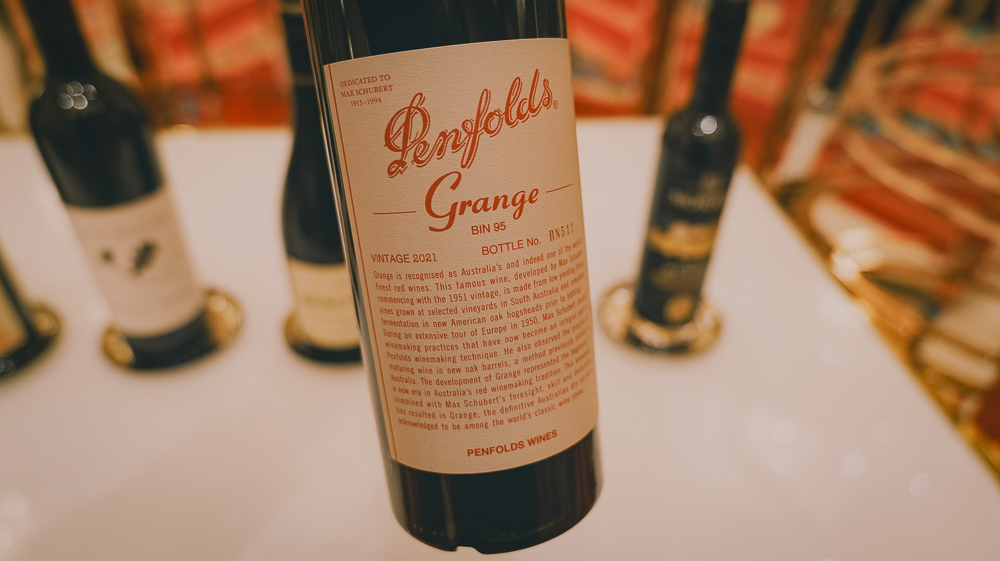
Penfolds Bin 95 Grange 2021 South Australia
10 tonne open top fermenters, with submerged cap. Finishes ferment in barrel. New American oak hogsheads. This is youthful, concentrated and tannic with mint, spicy oak, rich blackcurrant and blackberry fruit and a sense of freshness as well as the bold, ripe fruit that defines this wine. A wall of flavour. The oak is quite prominent at the moment and it’s a bit of a tannin monster, but all the ingredients are there for this to age nicely for many decades in the Grange style. It would be madness to drink this now. Part of Australia’s wine history. 95/100
In the Rutherglen region, Muscat à Petit Grains is known as brown Muscat. It came in very early on and was known as Grizly Frontignac. Rare is the top category, aged 20+ years with 270-400 g/l sugar.
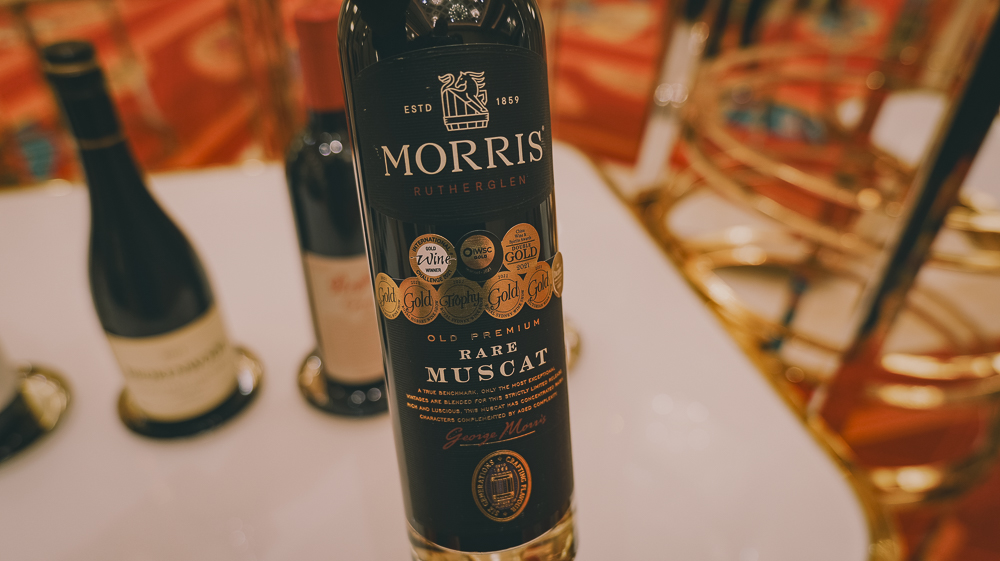
Morris Old Premium Rare Muscat NV Rutherglen, Australia
Sweet, rich and aromatic with raisin and honey on the nose. In the mouth this is powerful and rich with spice, treacle, honey and spice. Very sweet and intense with great complexity. Smooth and rich with amazing depth, finishing spicy and complex. 94/100