Portugal’s Vinho Verde, a region transforming itself
Branding is important. In wine, it can happen at the level of the producer. But we also have important collective brands, most notably grape varieties and regions.
And Portugal’s Vinho Verde had (and to some extent still has) a collective brand as a region in the minds of most consumers: it’s a place that makes light, fruity, inexpensive, slightly fizzy white wines.
In the past, this collective regional brand has, to some extent, acted as a brake on change. Make something different, and the market isn’t sure how to receive it. Do something serious, and it is regarded as less serious because of the shadow of the brand.
But now we are seeing real change, and in part it’s back to the future. The patient work of pioneers has changed the narrative, and while we won’t be saying goodbye to the light gassy wines – they still have a place – the emphasis has shifted. We have more serious still white wines from Alvarinho and Loureiro, and even varieties such as Avesso. And then we have the new reds.
Vinho Verde wasn’t always white wine country: there used to be a lot of reds in the region. One of the most well known red varieties is Vinhão (known elsewhere in Portugal as Sousão). This is not a teinturier (a red fleshed grape), but it has very highly pigmented skins that bleed a bit of colour into the flesh. The result, in Vinho Verde, is intensely coloured, primary red wines that often don’t see a bottle. They are tannic, vivid and acidic (they don’t do malolactic fermentation) and are drunk young. They are marvellous and full of personality, but they aren’t the future for red wines in the region.
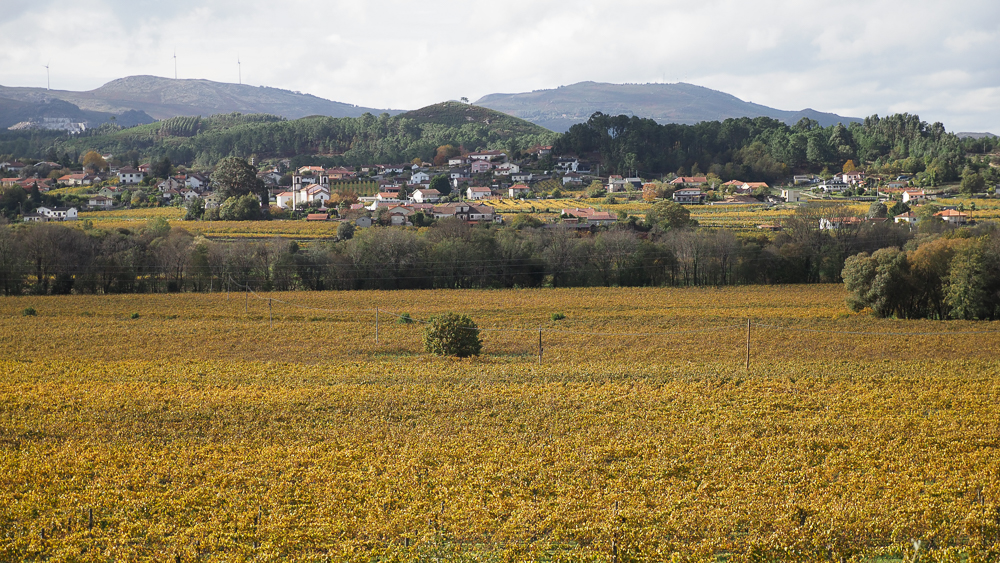
The future is the old red varieties that are now making a comeback, such as Alvarelhão and Brançellao, with a talent for making lighter-styled red wines. Expect to see more of these: the wind is in their favour.
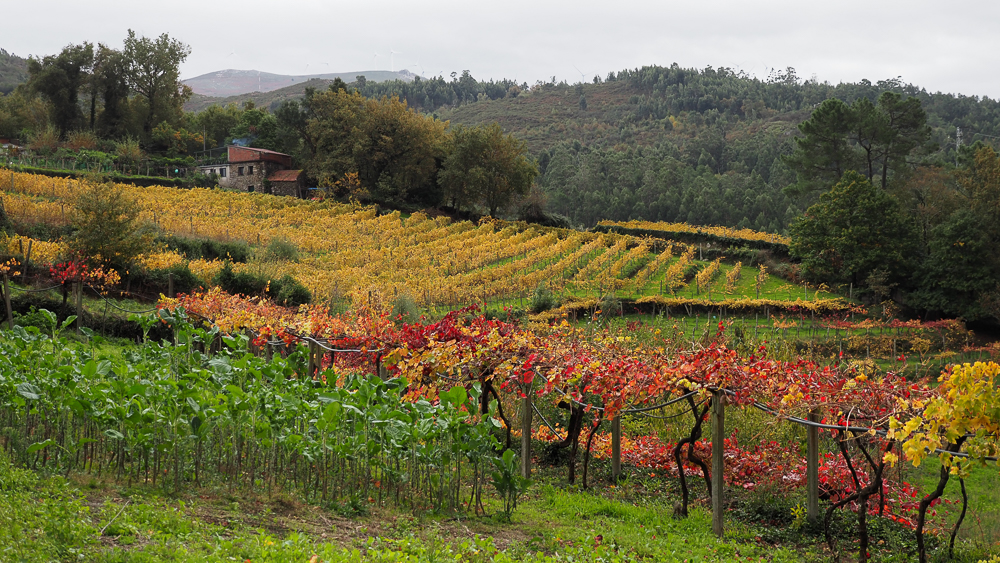
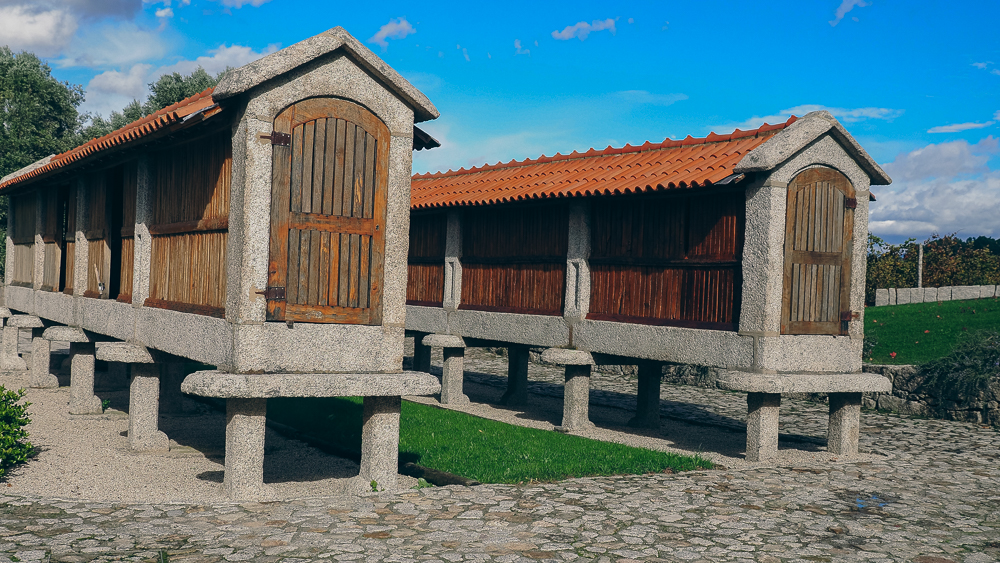
Vinho Verde is also a land of mixed agriculture. Typically, vineyards would be grown around the perimeters of smallholdings, grown on pergolas called ramadas. There are still quite a lot of these old vineyards around, although in more recent times vineyards have been planted on vertical-shoot-positioned trellises.
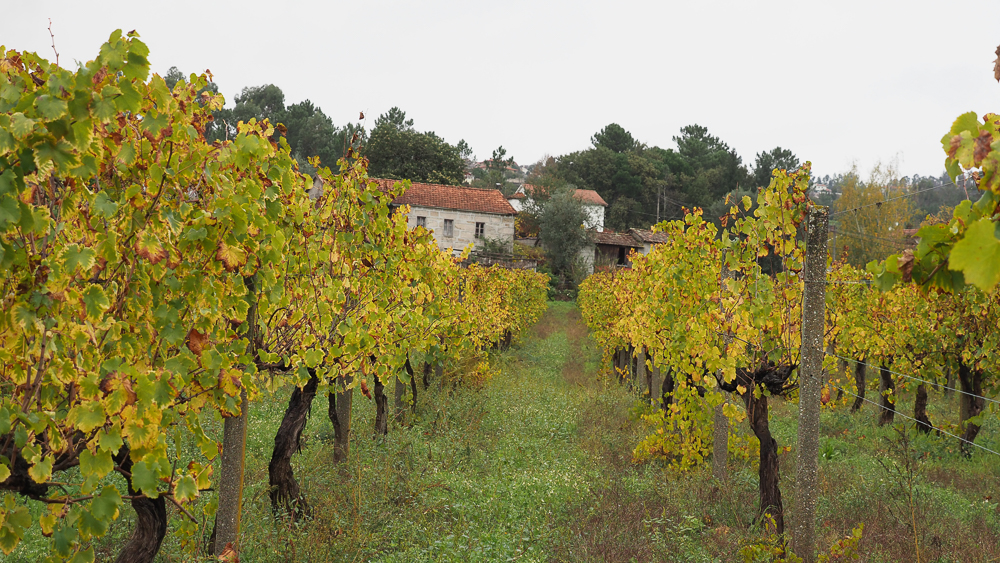
In November 2025 I spent some time in the region, visiting some key producers.
VINHO VERDE
- Casa de Cello
- Aphros
- Quinta de Santiago
- Covela
- Anselmo Mendes
- Márcio Lopes
- Soalheiro
- Vine Venu
- Exploring rare varieties