
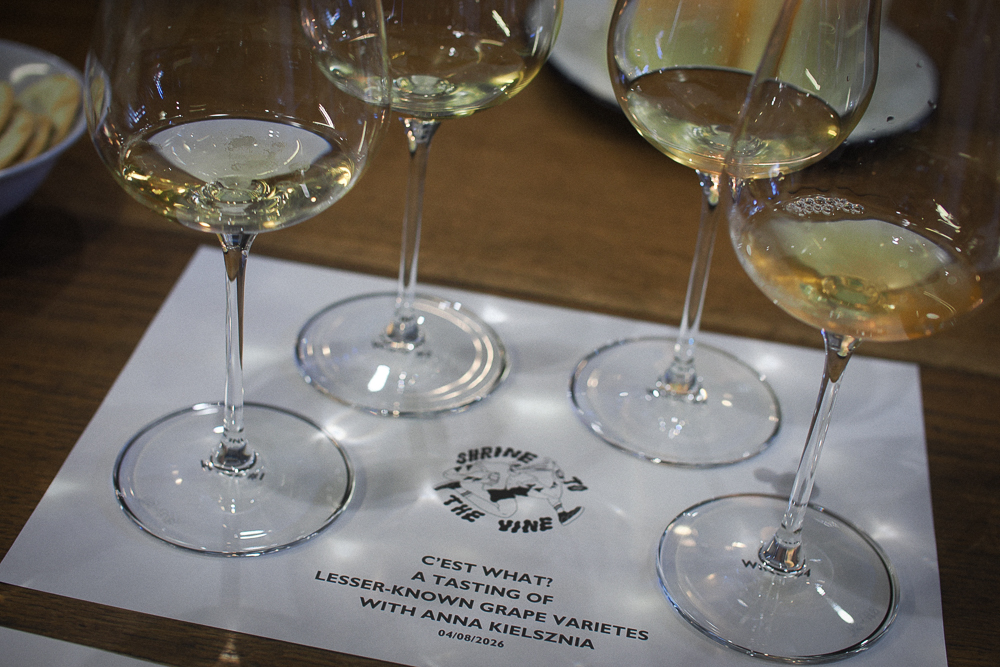
Unusual grape varieties: a tasting at Shrine to the Vine
I’m a fan of lesser known grape varieties, so this tasting, hosted by Shrine To The Vine Broadway Market’s General Manager Anna Kielsznia, really appealed. Eight wines from interesting varieties. It was a really good evening. Anna presented these wines brilliantly.
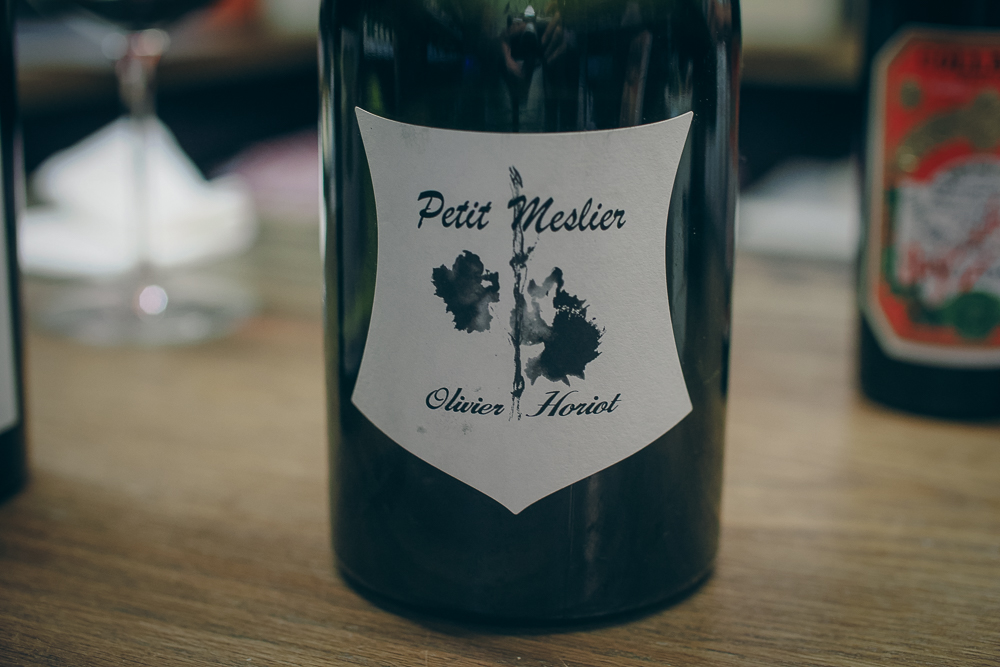
Champagne Olivier Horiot Petit Meslier 2018 France
Just one barrel made of this. Horiot have 7 hectares in the Côtes des Bar, in the south of Champagne, but make their own wine from just 2 of these. Petit Meslier is one of the rare Champagne grapes, and there are just 20 hectares planted in France. It’s a cross between Savagnin and Gouais Blanc. Complex, taut and spicy with lovely intensity and depth. Ripe apple, some baked pastry, some nuts, a touch of honey, and then a bright salty finish. Long and quite serious. 95/100
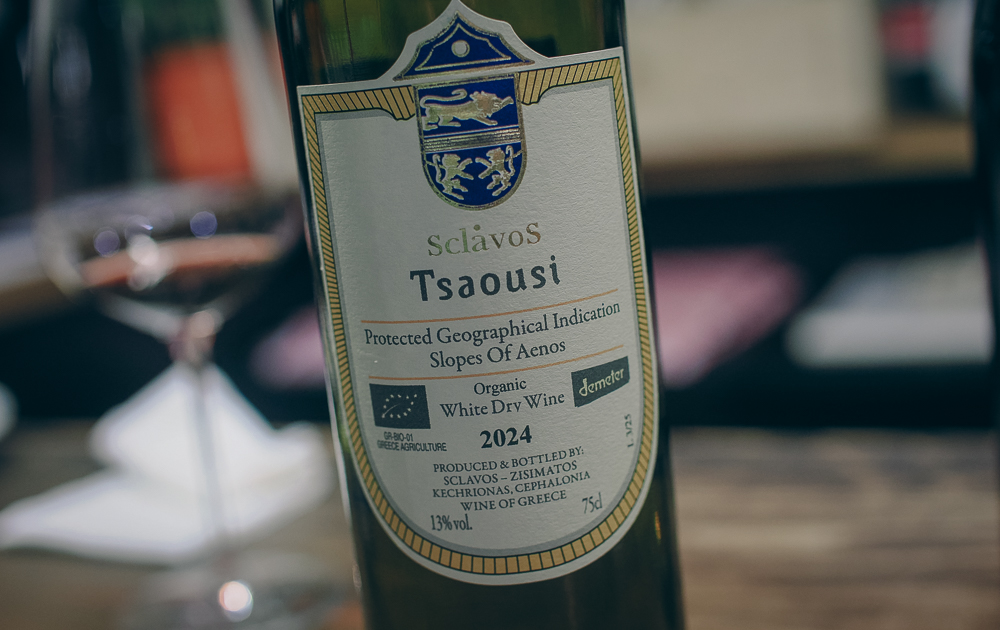
Sclavos Tsaousi 2024 Kefalonia, Greece
The Sclavos family were ship owners who moved to Russia in 1700, then returned after the revolution and planted 50 hectares of vines in Palli in Kefalonia. They farm biodynamically, and winemaking is pretty natural, with just a small amount of sulfites added at bottling. Tsaousi (sometimes written as Tsaoussi) is a grape variety whose origins are disputed: some say Macedonia, others say North Africa. This wine is all about texture: it’s rounded with lovely pear and white peach fruit. Salty, refined, pure. Beautifully poised, a lovely wine. 94/100
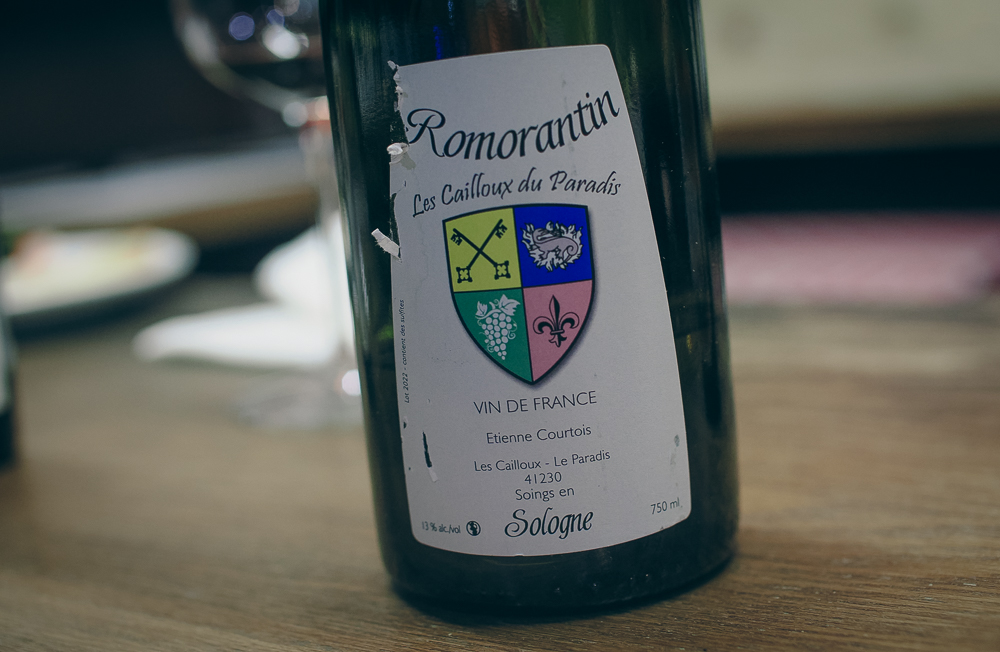
Etienne Courtois Les Cailloux du Paradis Romorantin 2022 Vin de France
Romorantin is only allowed in the Cheverny AOC, but this is not an appellation wine. There are 71 hectares spread among 24 growers. It’s only grown in the Cheverny area, which is in Touraine, south of Blois. Its origin is disputed. Les Cailloux de Paradis is a natural wine producer, started by Etienne’s father Claude in 1992, and this wine has no added sulfites. Wonderful aromatics: floral, grapey and honeyed with some melon and pear. The palate is lively and textured with a stony, mineral edge and some aniseed notes. Lovely acid line. 94/100
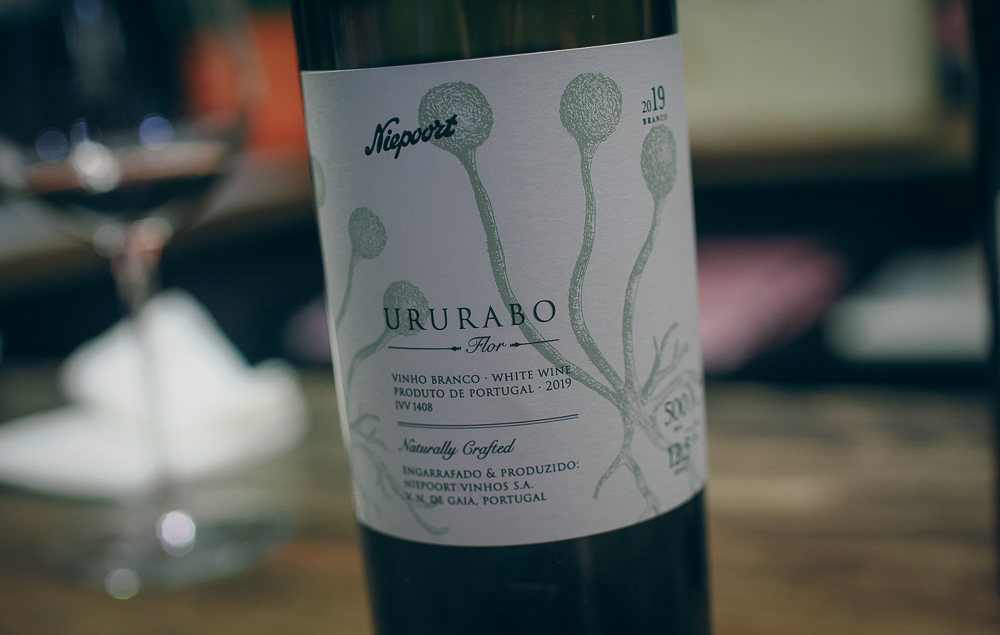
Niepoort ‘Ururabo’ Gouveio 2019 Douro, Portugal
This is an oddity: it’s made under flor in sherry casks. Gouveio is a Douro white variety that’s the same as Godello in Spain, and there are just 25 hectares planted. Golden in colour, this is textured and powerful with nice spicy detail and a bit of structure. The flor character is subtle, and this is a beautiful mineral-laced wite with precision and tension. So expressive, and finishing a bit salty. 95/100
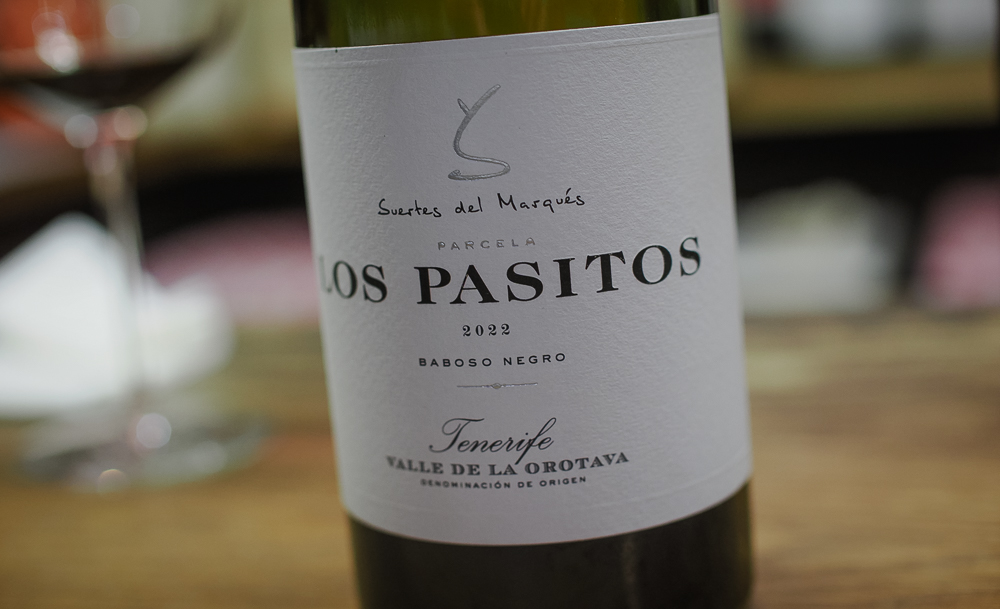
Matassa ‘Romanissa’ Lledoner Pelut 2024 Roussillon, France
Also known as ‘hairy Grenache’, Lledoner Pelut has hairs under the leaves, and it is regarded as a separate variety, even though technically it is a clone of Grenache. This is a distinctive, natural expression of this variety with a peppery edge to the bright red cherry, raspberry and cranberry fruit. Pure and linear, but there’s also a bit of tannin on the finish. 94/100
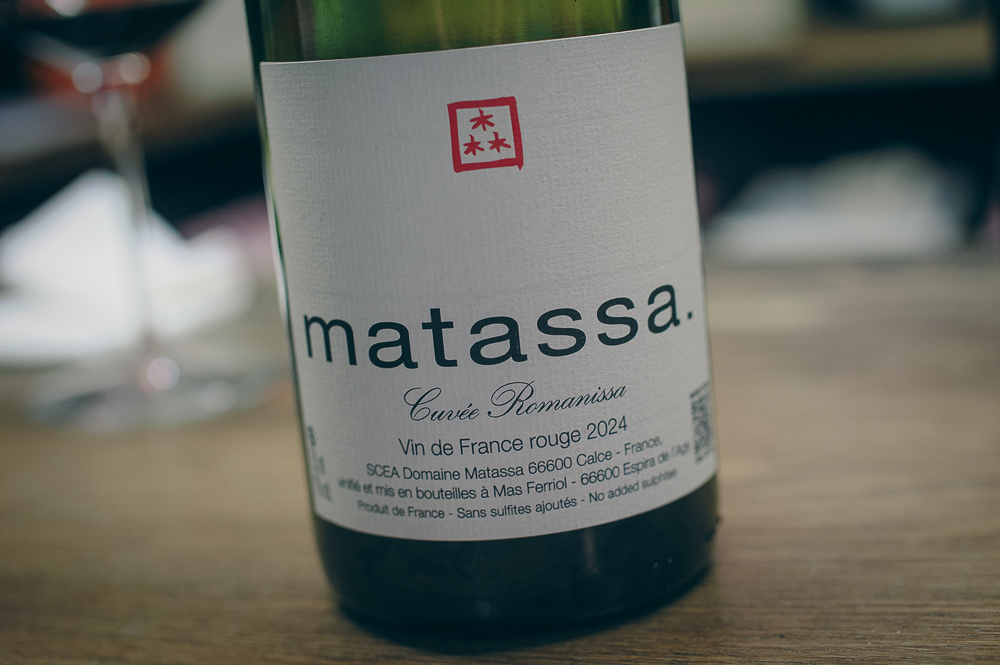
Suertes del Marqués ‘Los Pasitos’ Baboso Negro 2022 Orotava, Tenerife
Tenerife use to make a lot of wine in the past, when ships stopped here and replenished their supplies. The vineyard area contracted, but now there’s somewhat of a revival of interest. Jonaton began making wine at Suertes in 2006 from vineyards his father had bought in the 1980s, with the help of Roberto Santana of Envinate. Now he makes the wines himself and they’ve never been better. Baboso Negro is the same as Portugal’s Alfrocheiro. This is stony and linear and bright with lovely peppery notes as well as black cherries, with some volume, but finishing fresh with a nice sour cherry notes. Purity, energy and balance here, as well as deliciousness. 95/100
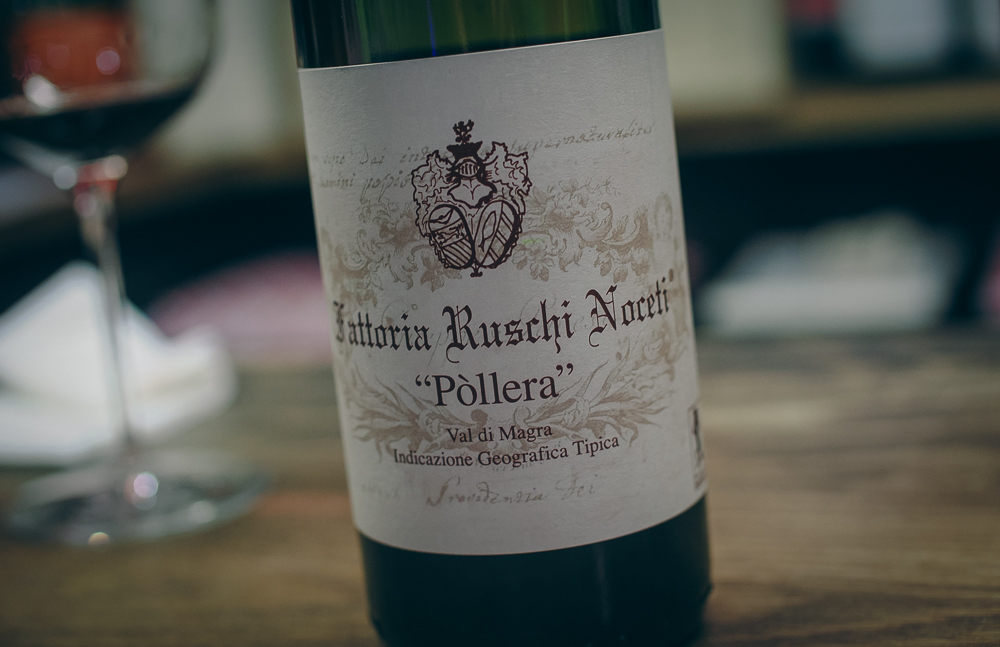
Fattoria Ruschi Noceti Pòllera 2021 Tuscany, Italy
Ruschi Noceti is based in Lunigiana, part of Tuscany bordering Liguria. The winery was founded in 1978 and in 1994 they began cooperating with the University of Pisa in preserving rare varieties from the region, which are housed on a 1 hectare plot. Pòllera is an interesting variety with compact bunches of dark graoes. This is so expressive with wild strawberry, cherry and raspberry fruit, with a slightly musky edge to the softly textured palate. There’s poise here, nice acidity and a slight saltiness on the finish. Quite lovely. 94/100
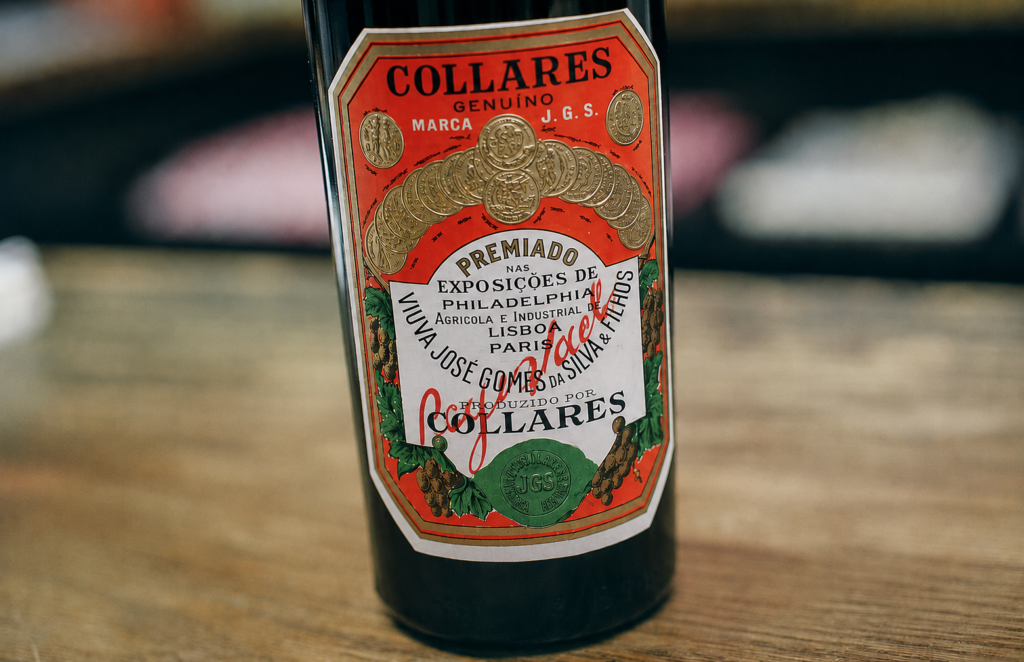
Viúva Gomes Colares Tinto Ramisco 2017 Portugal
Not much Colares left, although this Lisbon-adjacent region once had 18 000 hectares of vines. Now there are just 26 remaining. Famously planted in deep sandy soils, the Ramisco variety makes remarkable, ageworthy wines with solid tannins and good acidity. This example is savoury, taut and has good acidity with some brightness to the black fruits, a hint of Campari, and some sour cherry on the finish. 93/100