Torbreck: a deep dive into this important Barossa winery, with winemaker Ian Hongell
It was back in 1994 that Dave Powell began a winery that was to prove very important for the Barossa Valley. He had entered the wine business by accident: after studying economics, he did a vintage at Yalumba in 1981. He followed this up by travelling, working many more vintages, before returning to the Barossa to work at Rockford in 1992.
Powell became aware of various old neglected vineyards in the Barossa, and he started buying them up and making wine from them. His first wines were sold to an English guy he’d worked with at Saltram, Phil Reedman. His 1994 Shiraz and 1995 Grenache went to Australian Wine Agencies, and in 1997 the first Torbreck wines were released, the 1995 Runrig and 1996 Steading.
Torbreck grew considerably, and by the time I visited for the first time in 2004, they were processing 1000 tons, which is a significant quantity for a premium winery.
Some notes on the names. Torbreck is the name of the forest in Scotland where Powell worked as a woodcutter. Steading is the name of a pub in Edinburgh; also the term given to an outbuilding on a farm. Struie is a mountain he worked on in Scotland; Factor is the guy who runs the woodcutting operation. Descendant is descended from Runrig: it uses the old barrels from Runrig and the vines were cuttings from the Runrig vines. And Runrig? In one of the pubs Powell drunk in on Struie the band Runrig played, only for the pub to burn down shortly afterwards. It’s also the name of the land distribution system that evolved into the crofting system.
Powell collected old vineyards and renovated them, and then in the winery made striking wines combining bold, ripe flavours with focus and freshness, not an easy task. Torbreck’s wines were often high in alcohol, but they avoided jamminess: the concentrated flavours provided that balance and structure that these sorts of wines need.
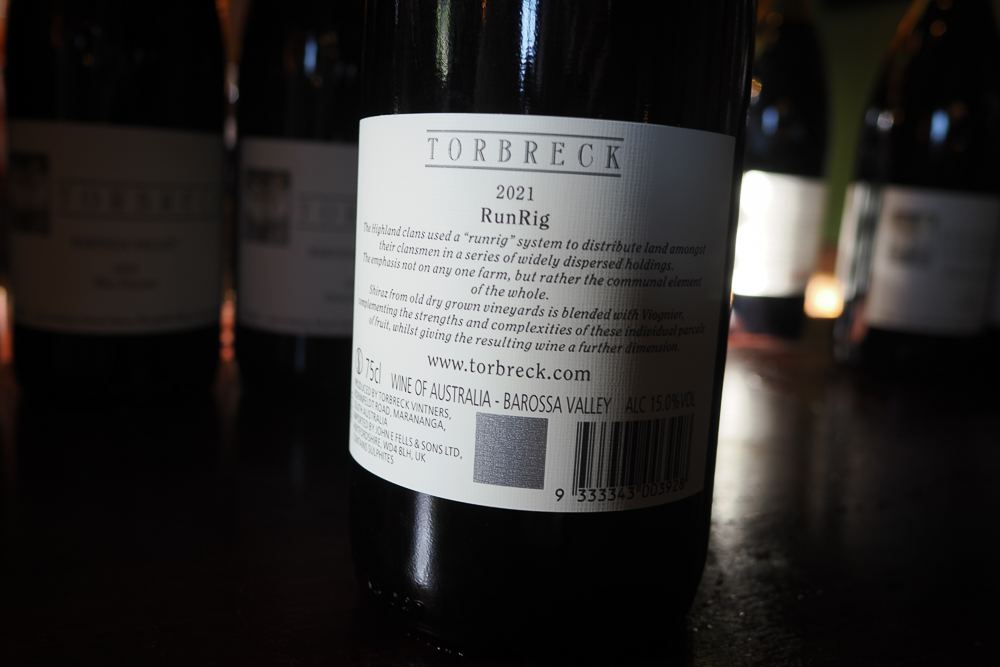
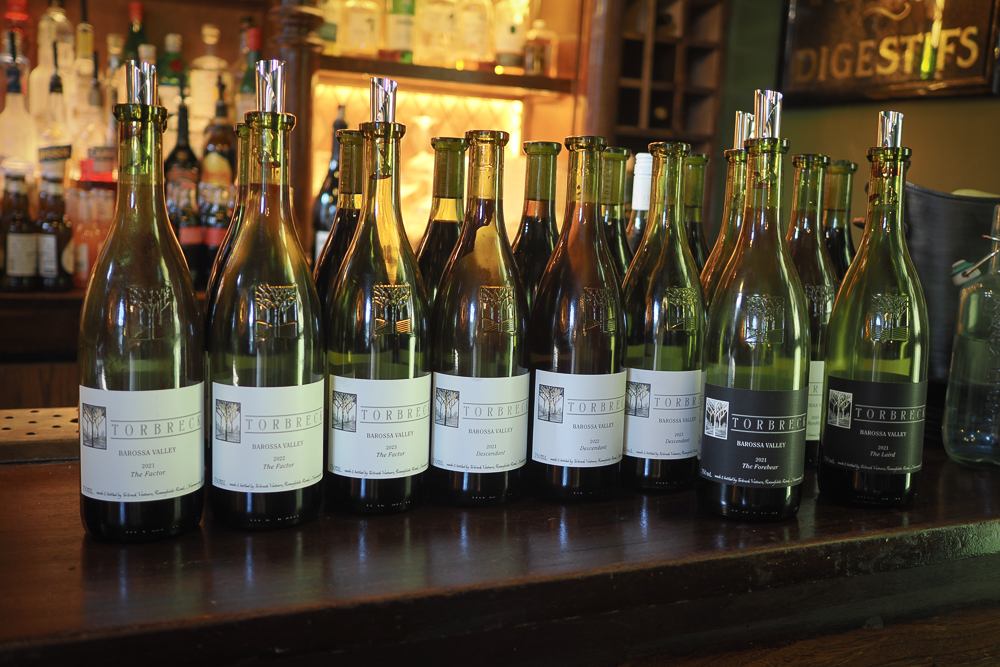
Powell sold the winery in 2003, then bought it back with funds from a US investor in 2008. In 2014, the relationship with the investor broke down and Powell ended up leaving with nothing. He’s since started new projects, but Torbreck has continued to produce acclaimed wines, under the stewardship of current chief winemaker Ian Hongell (pictured above), who presented this extensive tasting, including mini-verticals of some of the top wines.
Hongell emphasizes that one of the reasons Torbreck are performing at such a high level is because of the close integration of vineyard and winery teams. Chief viticulturist is Nigel Blieschke. The two worked together for 8 years at Peter Lehmann before Blieschke moved to Torbreck in 2015, to be followed by Hongell in 2016. ‘One of our great strengths is the connection between viticulture and winemaking,’ says Hongell.
Initially, he says the frustration was the big fluctuations in yields between seasons, with the low yielding years that followed higher cropping years producing the best wines. So the two decided to do something about this, to increase the consistency and resilience of the 133 hectares (across five sites) that they own. They also source about the same vineyard area from a network of 32 growers. Most of the grapes come from the western ridge of the Barossa, with 15% coming from the Eden Valley.
They began by implementing no-till management, growing a self-seeding cover crop of rye grass, clover, medics and legumes. They brought sheep in outside the growing season to control this, eliminating several tractor passes at the same time. They also developed vegetation areas around vineyards where they sowed native species to act as an insectarium, creating effective biodiversity to reduce the need for spraying.
Hongell says that they stopped using artificial fertlizers, and instead spread 12 000 m3 of green waste (forest floor mulch) which they apply under the vines, and also add vermicast, cow manure compost and kelp to provide nutrients.
To protect the old vines and ensure the future health of the vineyard they have employed Simonit and Sirch to train up pruners, and these five pruners do 180 000 vines a year. They have 25 hectares of centenarian vines, and gaps in these old vineyards are filled by layering. This is possible because there is no phylloxera in the Barossa. They have planted 25 hectares of Shiraz from cuttings taken from heritage vineyards, as well as 10 hectares of Grenache and 5 hectares of Mataro.
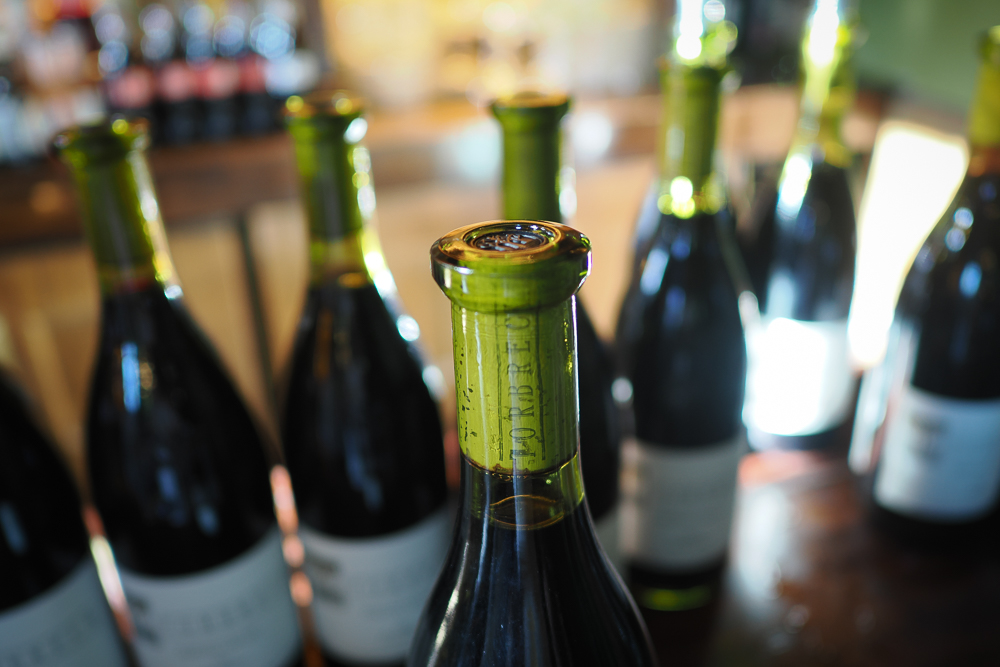
Harvest is quite late. Hongell is looking for flavour and phenolic stability, getting full physiological ripeness before the fruit collapses.
In the winery, red ferments are open-top, and are left to go wild for a few days before inoculating with cultured yeast. There’s an acid adjustment on the skins, then a further one after going to barrel, and then one before bottling. In all, typical adds of tartaric acid will be 1.5 g/litre.
The ferments are pumped over twice daily, and then when the wine is dry, it’s baset pressed, the press fraction is combined with the free run, and it goes to barrel. Malolactic fermentation is in barrel, and once this is done, the wine is racked, the lees are removed, and the wine goes back to barrel where it receives a sulfur dioxide add, the acidity is adjusted, and it is left without topping up. Hongell likes a bit of acetaldehyde development, and then this is dealt with by the pre-bottling sulfur dioxide add.
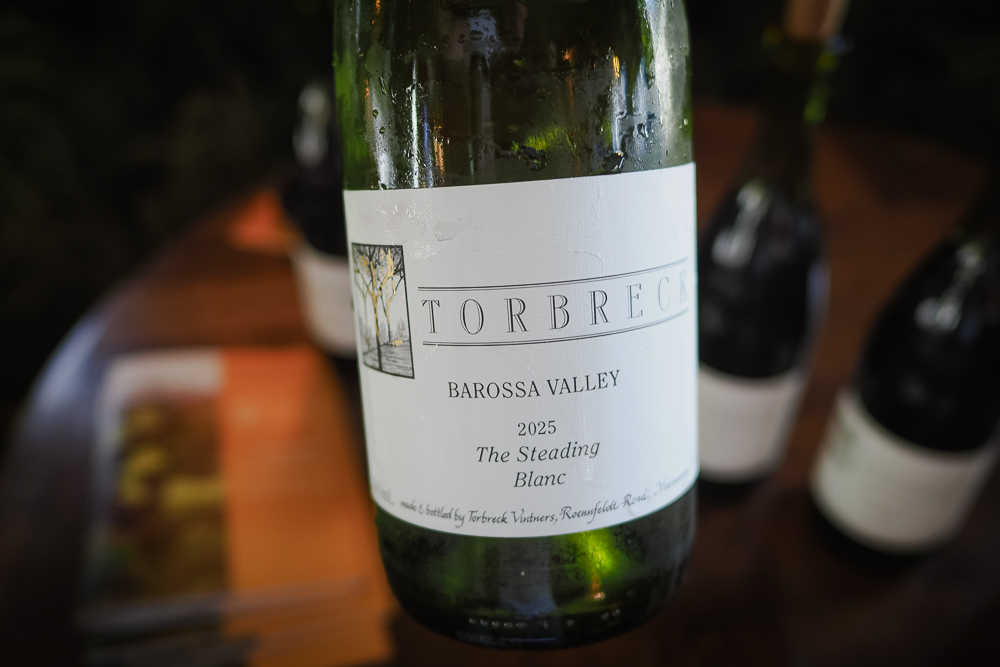
Torbreck The Steading Blanc 2025 Barossa, Australia
12.2% alcohol. 60% Roussanne, 37% Marsanne, 3% Viognier. Juicy and bright with nice pear and citrus fruit. Compact, crisp and alert with a lemony edge. 92/100
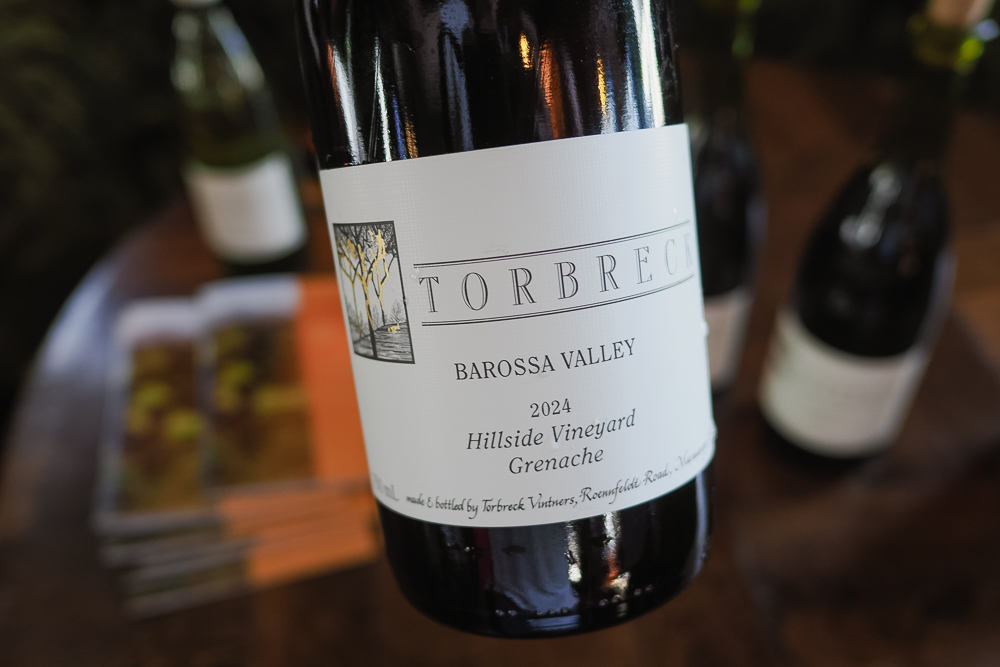
Torbreck Hillside Vineyard Grenache 2024 Barossa, Australia
15% alcohol. A high vineyard near Lyndoch with dark red clay with shale, quartzite and ironstone. Supple and juicy with notes of redcurrant and red berries. Real elegance here. Supple and well balanced. 94/100
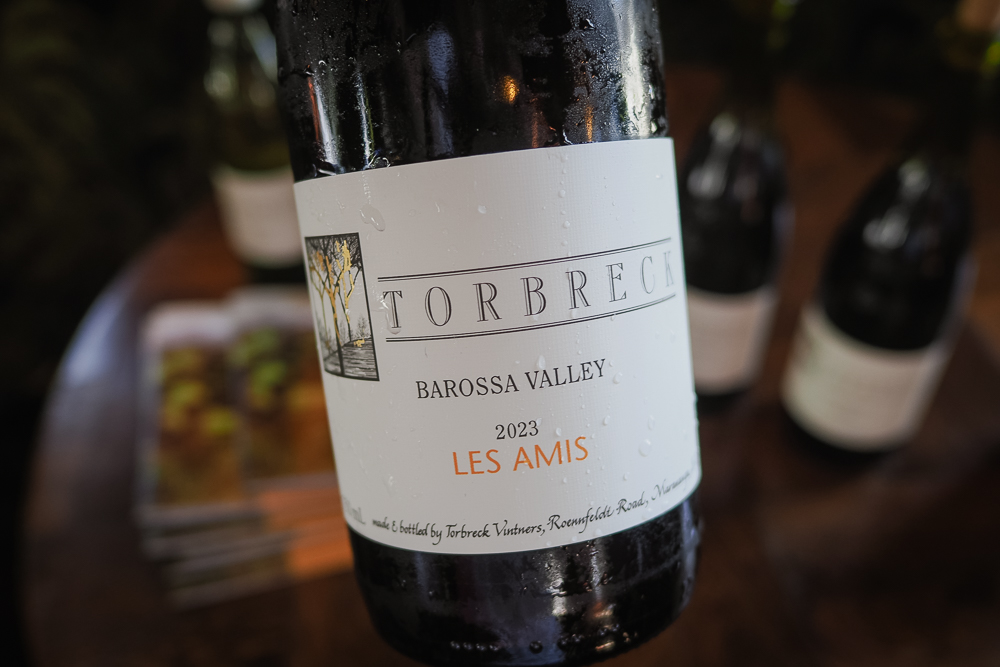
Torbreck Les Amis 2023 Barossa, Australia
15.5% alcohol. Devigorated soils, western Greenock. Grenache. Nice weight and freshness with red cherry and redcurrant fruit, with a core of sweet fruit. Nice crunch here with a peppery edge to the herb-tinged fruit. 94/100
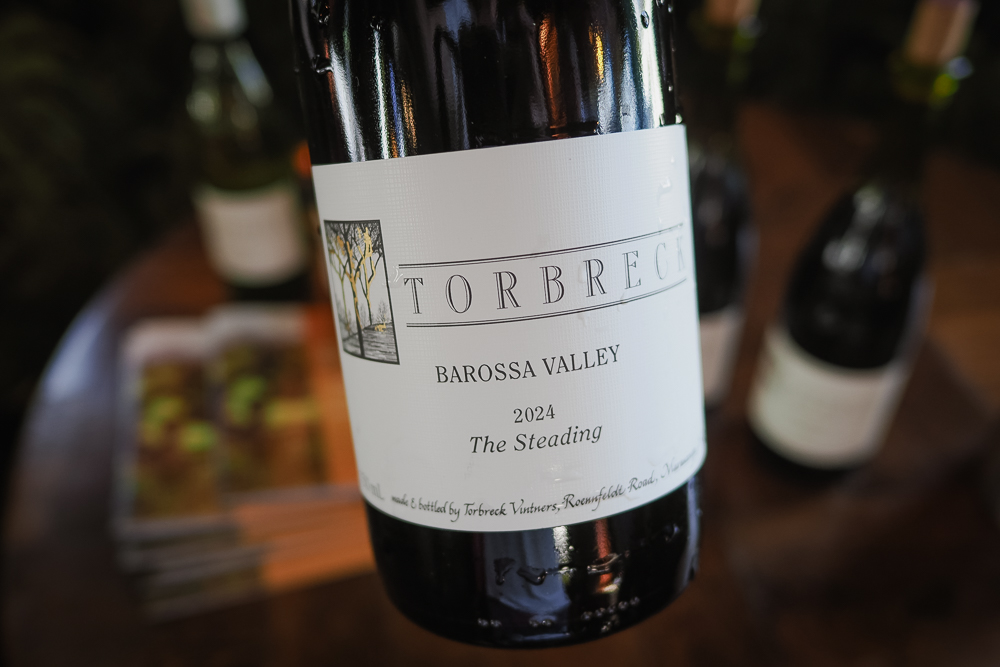
Torbreck The Steading 2024 Barossa, Australia
15.5% alcohol. Grenache (57%), Shiraz (33%) and Mataro (10%). Complex and layered with a core of sweet berry and cherry fruit, with some herbal hints and a touch of pepper. A classic Barossa red blend, done really well. 94/100
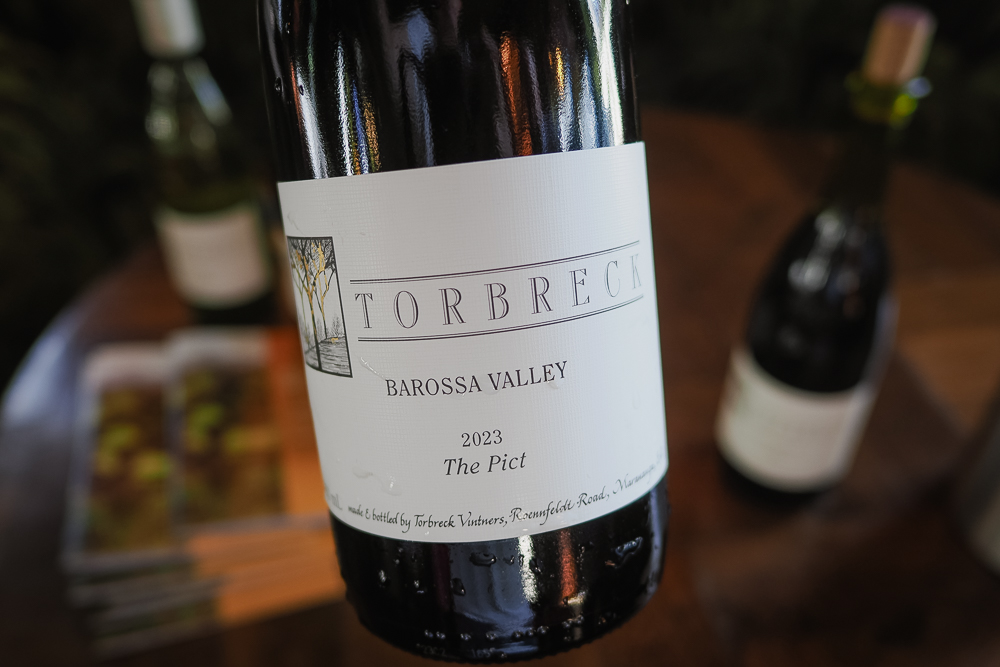
Torbreck The Pict 2023 Barossa, Australia
15.5% alcohol. 100% Mataro. Ripe and lush with nice depth, and a spicy bite. Warm, rich and bold, but shows Mataros herby, peppery, spicy side, too. Impactful. 94/100
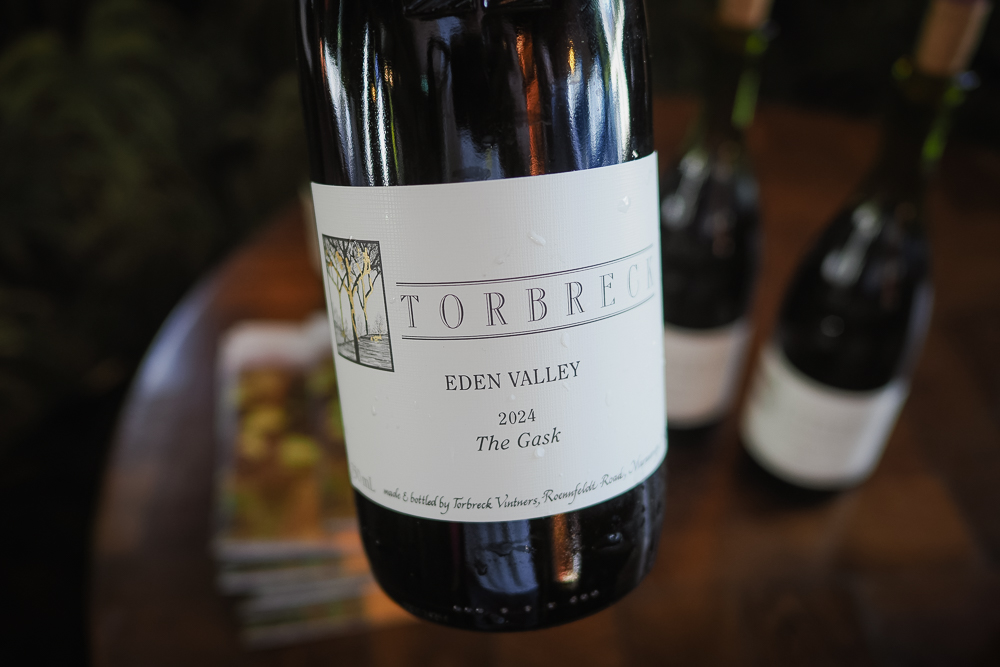
Torbreck The Gask 2024 Barossa, Australia
15% alcohol. This is Shiraz from the Eden Valley. Bold and rich with spice, herbs, black cherries and plums. It’s peppery with nice depth of fruit but also a sense of freshness. Beautifully layered cherry and berry fruits. Nicely structured. 96/100
The Descendent is a single vineyard next to the winery in Marananga, planted in 1994 with cuttings taken from the Runrig vineyard. It has four bands of white grapes planted through it, including two rows of Viognier used for this wine: Torbreck were the first to co-ferment Shiraz and Viognier in the Barossa with Runrig, and this wine follows in these footsteps. The Viognier component is pressed and the wet skins are added to the Shiraz fermenter, and the percentage indicated here is by weight.
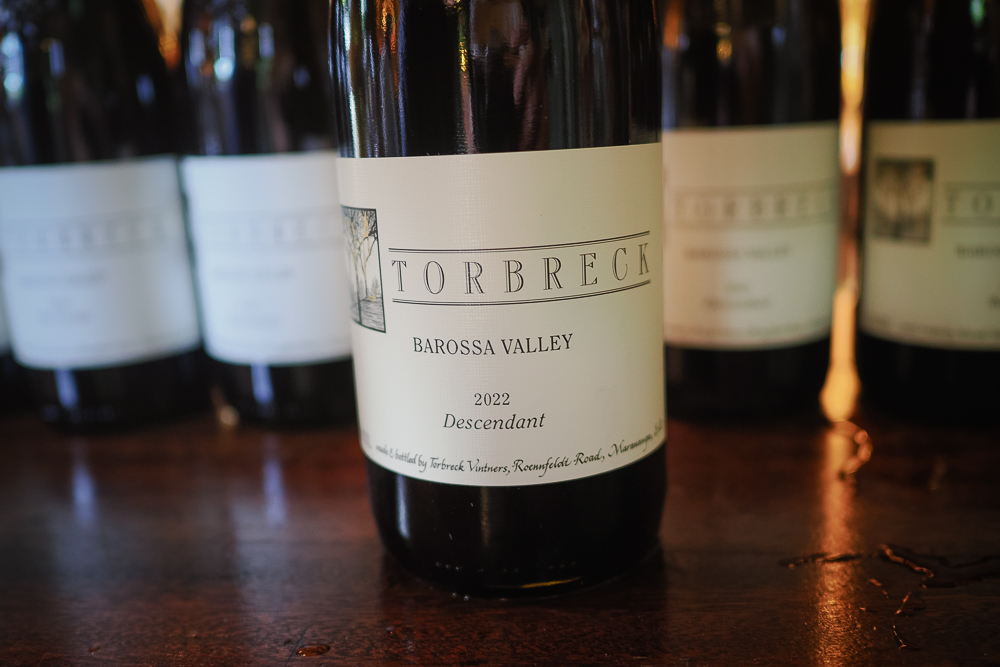
Torbreck The Descendent 2021 Barossa, Australia
15% alcohol. 94% Shiraz, 6% Viognier. From Marananga. 20 months in barrels previously used for Runrig. This is lush, ripe and rich with blackberry and black cherry fruit. Bold, rich and sleek with sweet ripe fruit showing some savoury olive and spice notes. Expansive, showing a hint of apricot richness, and then charcoal and smoke on the finish. 94/100
Torbreck The Descendent 2022 Barossa, Australia
15% alcohol. 92% Shiraz, 8% Viognier. This is bold and rich with lovely softness to the lush blackberry fruit. Salty and rich with some floral and apricot notes, as well as liquorice notes and bold black fruit. There’s freshness and florality here. So enticing. 96/100
Torbreck The Descendent 2023 Barossa, Australia
15% alcohol. 96% Shiraz, 4% Viognier. Amazing floral apricot, black cherry and blackberry fruit on the nose. So exotic. The palate has ripe black fruits but also great definition, with a slight gravelly, savoury edge. 96/100
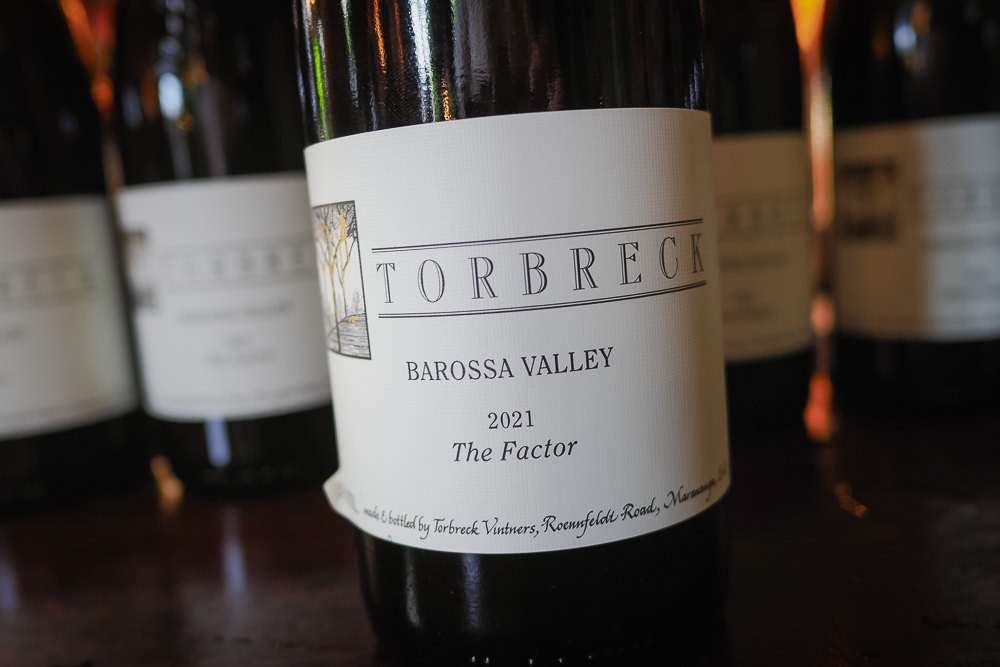
The Factor is Shiraz from five sites, two of which Torbreck own, in Gomersal, Krondorf, Marananga and Greenock. Many of these vines were planted in the 19th century. Two years in barrels, 40% new (French oak).
Torbreck The Factor 2021 Barossa, Australia
15% alcohol. Rich, vivid and spicy with nice density. Shows black cherries and plums with some oak adding an extra level of flavour. Rich with a salty finish, and some warmth. 94/100
Torbreck The Factor 2022 Barossa, Australia
15.5% alcohol. Fresh, floral and aromatic with rich blackberry and cherry fruit. Grippy and structured on the palate but also showing lush fruit, with hints of liquorice. Textural and finely spiced. 95/100
Torbreck The Factor 2023 Barossa, Australia
15.5% alcohol. Lush and inviting, ripe and floral, with blackberry fruit and some saltiness. There’s a rich texture and density here with fresh fruit. 95/100
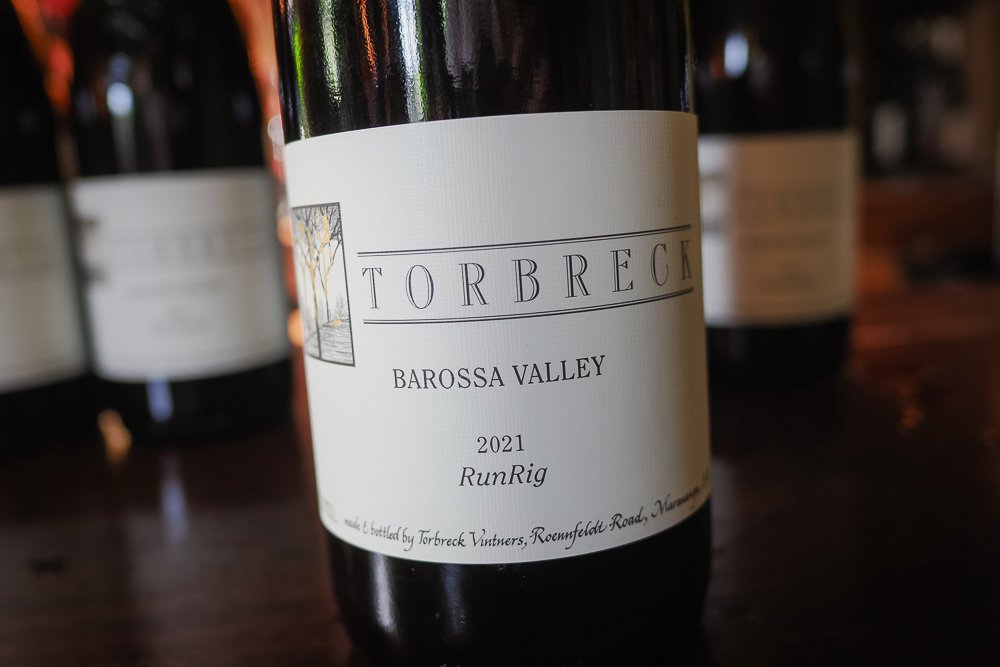
Runrig is Shiraz from old, dry-grown vineyards. The first release was from a single vineyard, but now it comes from six vineyards, three of which are owned by Torbreck. The vineyards were planted between 1858 and 1910. French oak maturation, 50% new.
Torbreck Runrig 2021 Barossa, Australia
98% Shiraz, 2% Viognier. Vivid, bold and rich with sweet black cherry and blackberry fruit, and some ashy, charcoal and spice detail. Concentrated with some red fruit character in the mix. Intense with fine tannins but plenty of them, finishing salty with some iodine, and a bit of peachy exoticism. 95/100
Torbreck Runrig 2022 Barossa, Australia
98% Shiraz, 2% Viognier. Fresh and floral with black and red cherries, showing some finesse and freshness on the nose. It’s ripe and concentrated but there’s a real finesse to the tannins and a salty, liquorice edge that adds interest. Som apricot and peach hints add an exotic quality to the fruit. 96/100
Torbreck Runrig 2023 Barossa, Australia
99% Shiraz, 1% Viognier. This is luscious and fine with black cherry and blackberry fruit, showing amazing texture, and a spicy framing to the fruit. It’s still quite primary with lovely fruit and a nice grainy structure. 96/100
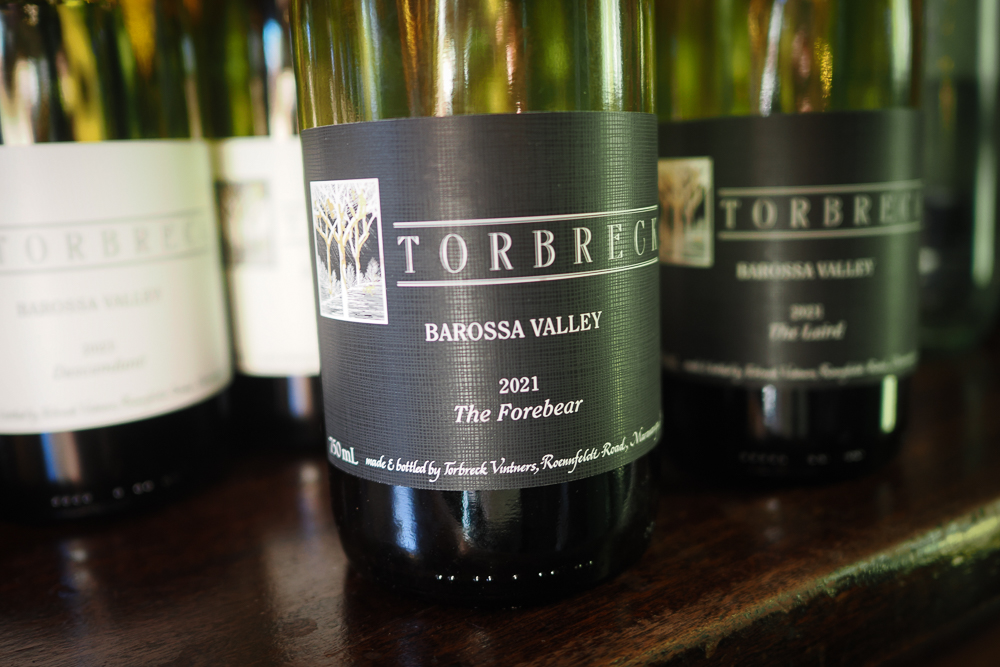
Torbreck The Forebear 2021 Barossa, Australia
15% alcohol. This is from Torbreck’s oldest single vineyard, planted in Lyndoch in 1850. It was first made in 2019, and half is aged in new French oak, half in new Stockinger (Austrian oak). Aromatic, intense and floral with sweet black cherry and blackberry fruit. Linear and textural with some creaminess. Real concentration and intensity with nice salty detail. Sleek and polished, ripe and vivid, amazing focus. 97/100
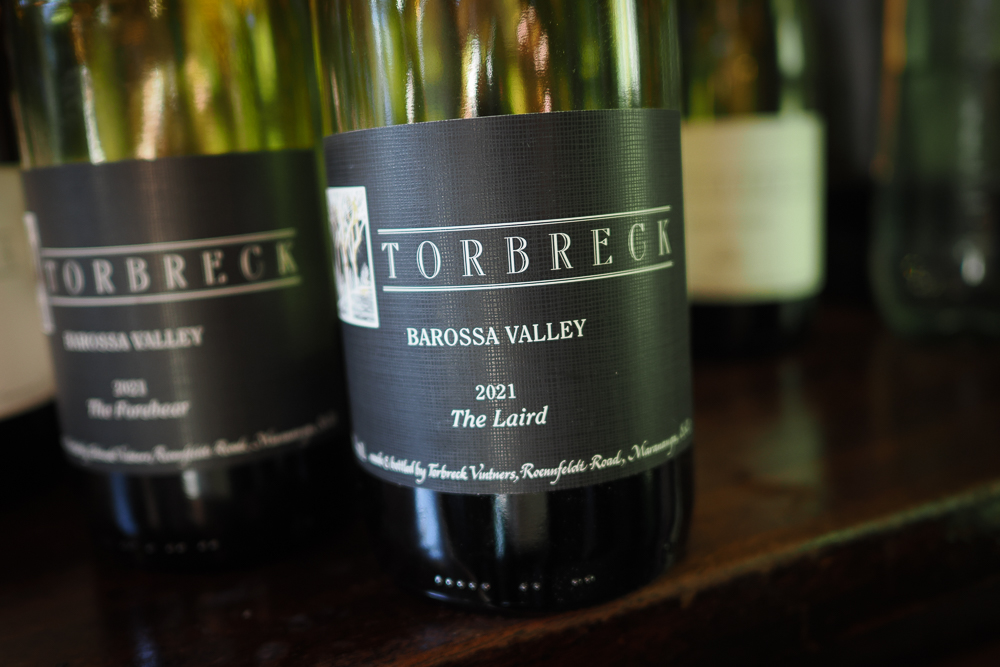
Torbreck The Laird 2021 Barossa, Australia
15.5% alcohol. This is from the Gnadenfrei vineyard, planted with Shiraz in 1958. It spends three years in new barrels from Dominique Laurent, known as ‘magic casks’. This is vivid with ripe black cherry and blackberry fruit, some saltiness, and spicy, cedary woody notes, as well as a hint of clove. Vivid and spice laden, showing a lot of smoky oak. The oak is winning at the moment, but this may well resolve with time. 93/100