The concept of island wines is now firmly established: a tasting with Pascaline Lepeltier
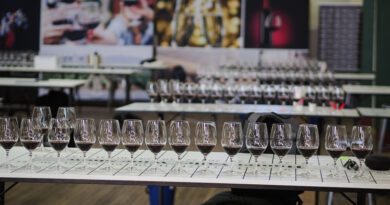
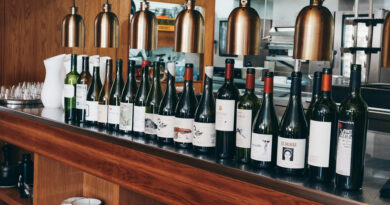
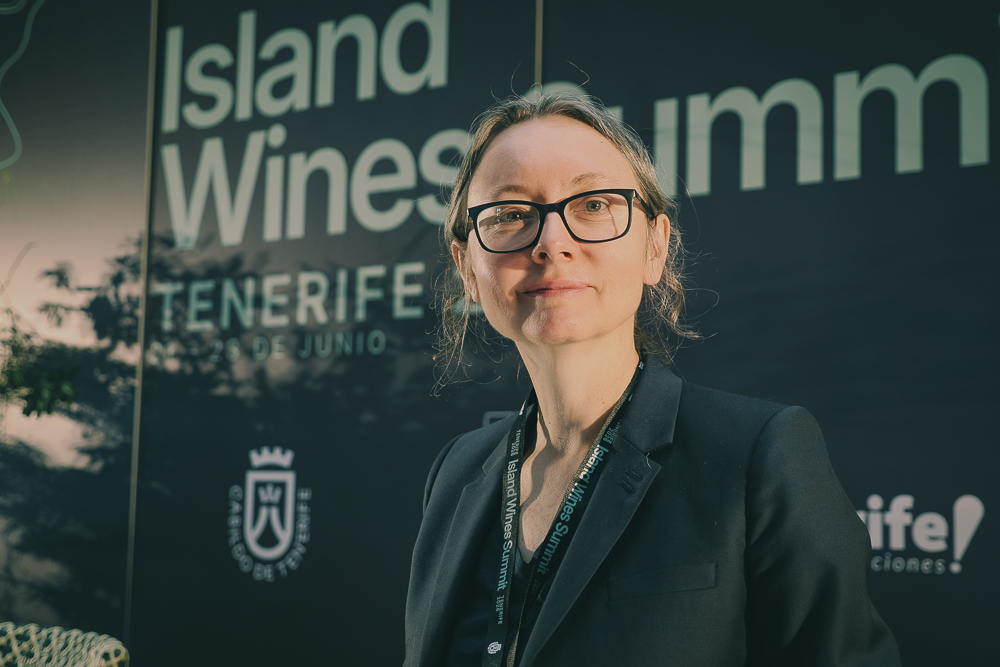
At the 2026 Island Wines Summit, celebrated sommelier Pascaline Lepeltier (now at Chambers Wines in New York) led a really interesting tasting, looking at the category of Island Wines, and exploring how this came to be.
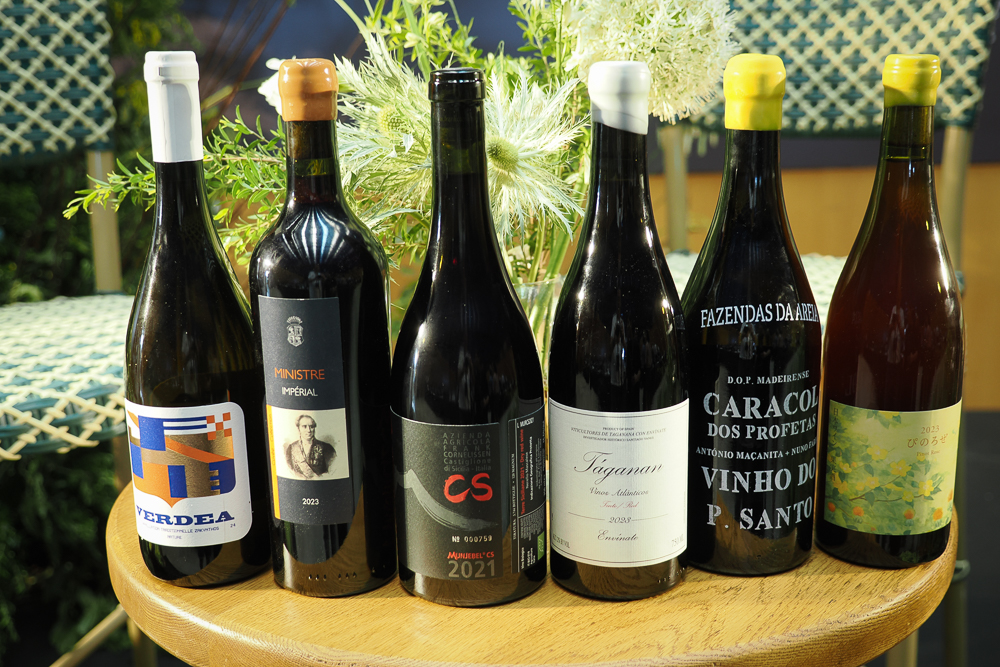
Pascaline split the tasting into three segments. We began with what she calls the early years – early 1980s to mid 2000s – when the concept began to emerge. Greece, and in particular, Santorini was instrumental here, bringing together concepts of tradition, lifestyle and heritage with a strong culinary aesthetic, and wines tasting strongly mineral. So this era was represented by a wine from a Greek Island and one from Corsica.
Then we have the period of conceptualization – Mid 2000s to early 2020s. People began to get much more interested in terroir in the early-2000s. One concept emerged in particular: volcanic wines. Sicily also began to take off, with Etna in particular. Frank Cornelissen brought something a little different to Etna, too, and this is why Pascaline chose one of his wines. He was a catalyst. And Tenerife was an important contributor to the island wine story. The Canary Islands became a symbol of the new Spain, and this was very important.
Finally we have Island Wines as an endorsed category, from the early 2020s. The concept is now established, and she chose wines from Porto Santo and Hokkaido as an illustration. People now understand Island Wines as a category, and it can be helpful for selling wine.
This was an excellent tasting.
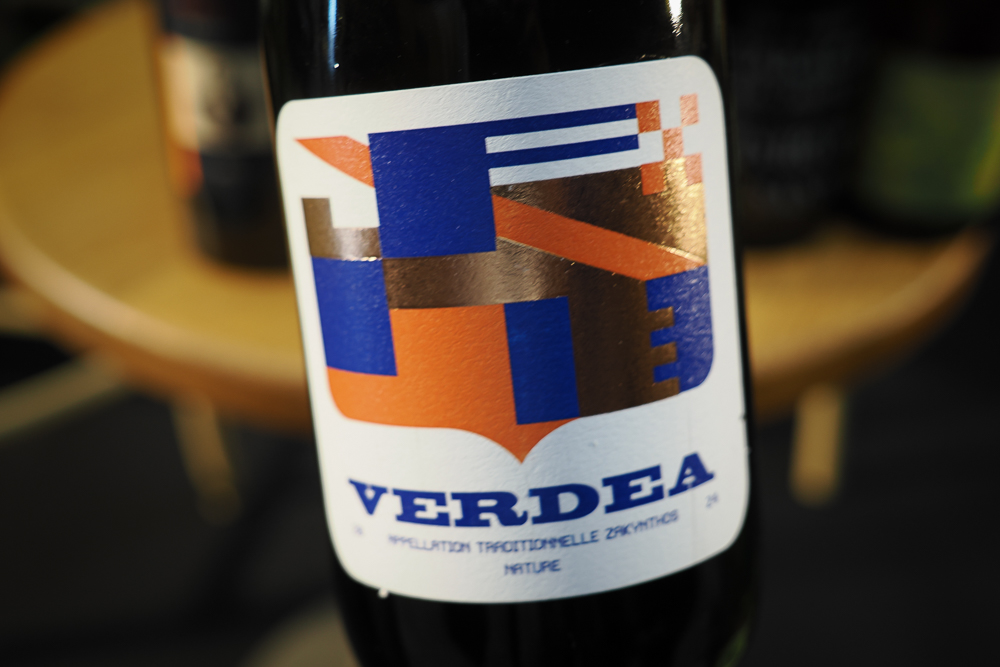
Kefalinos Verdea 2024 Zakynthos, Greece
The early years. Zakynthos has 90 indigenous varieties. This is a blend of six of them, grown on a mix of limestone, sandstone and clay. Varieties fermented and aged separately in used oak and then blended. Full yellow in colour, this has lovely tension. Mineral, pithy, high acidity, some grippiness. Concentrated and compact with a stony edge. This is bold and quite beautiful. 94/100
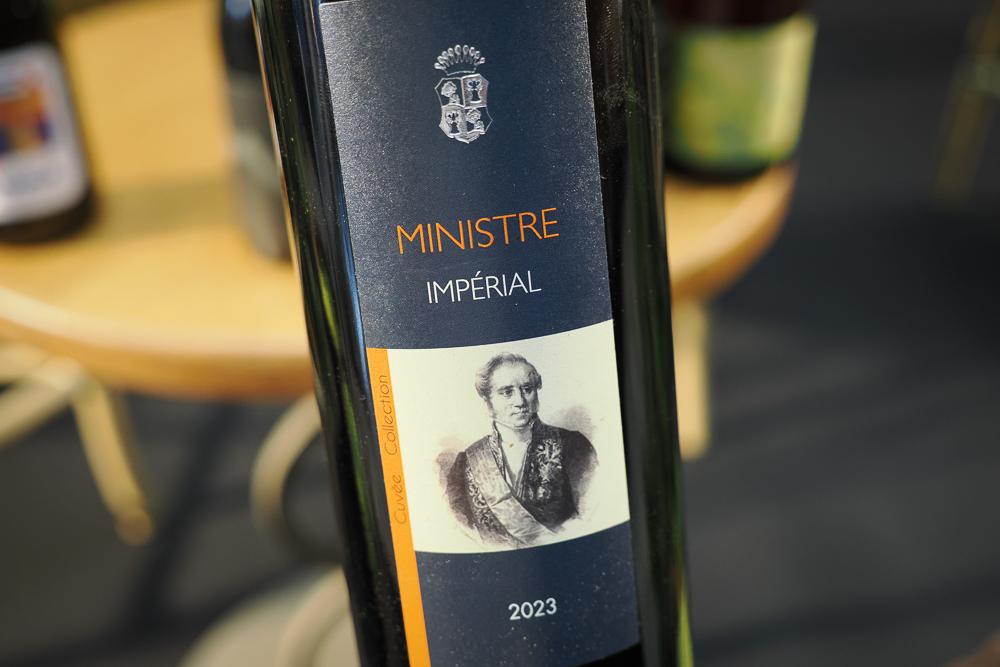
Domaines Abbatucci Cuvée Ministre Impérial Rouge 2023 Corsica, France
The early years, part 2. A blend of seven varieties grown using biodynamics on decomposed granite. 12 months in demi muids. Supple, elegant and very fine with ripe but balanced red and black cherry fruit with some silkiness but also good acidity and a bit of structure. Some liquorice and pepper. Very fine and linear: a beautiful wine, with weight and volume but also lightness. 96/100
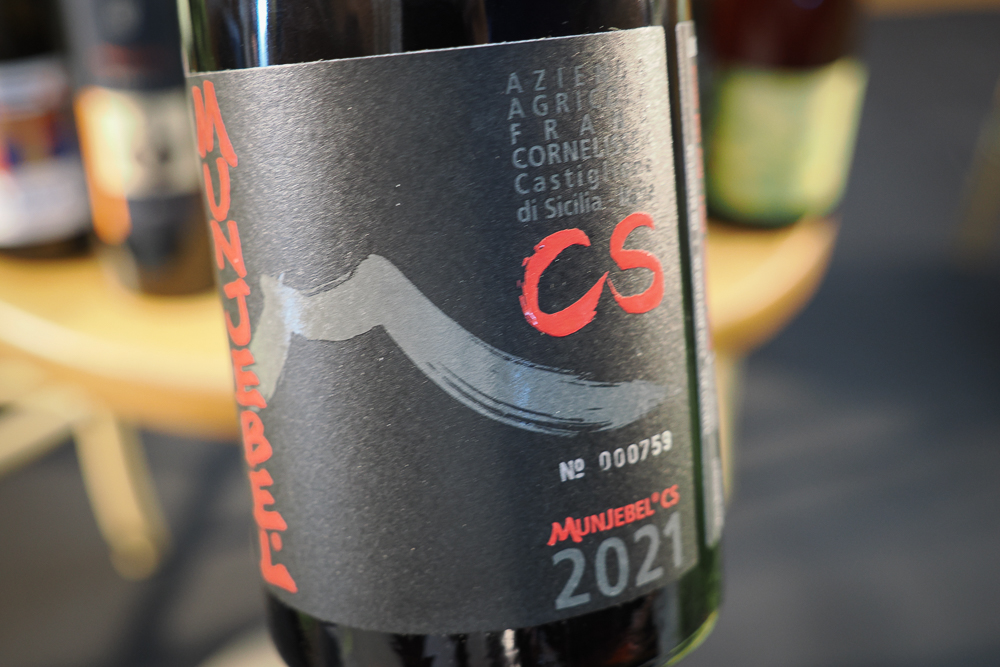
Frank Cornelissen Munjubel Rosso CS 2021 Sicily, Italy
Nerello Mascalese, planted in 1925, ungrafted. There’s a wet stone mineral edge to the red cherry and raspberry fruit with amazing tension. There’s a touch of fragility, with a peppery edge and some supple leafy hints, and a touch of rose petal. The finish has warm spiciness, with some acidity and structure. Finishes dry and a bit grippy. 95/100
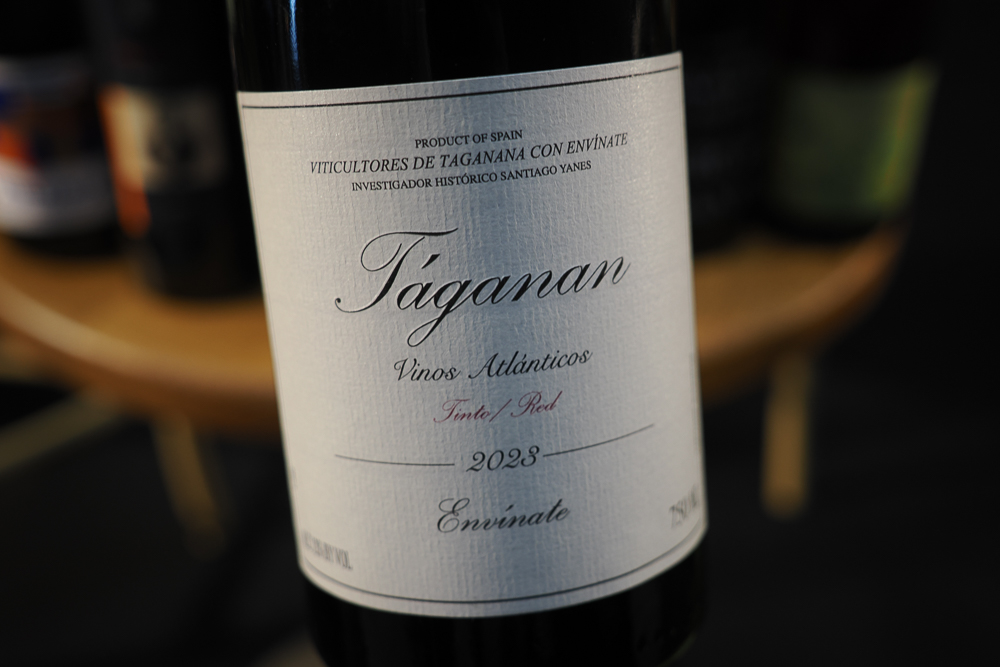
Envínate Táganan Tinto 2023 Tenerife, Spain
A blend of several grape varieties. 30-50% destemmed, aged in neutral French oak. Tart redcurrant and red cherry fruit with some sour cherry and a distinctive mineral, reductive twist. So expressive with a smoky, grunty twist on the finish that works so well. Has power and freshness, and real personality. 95/100
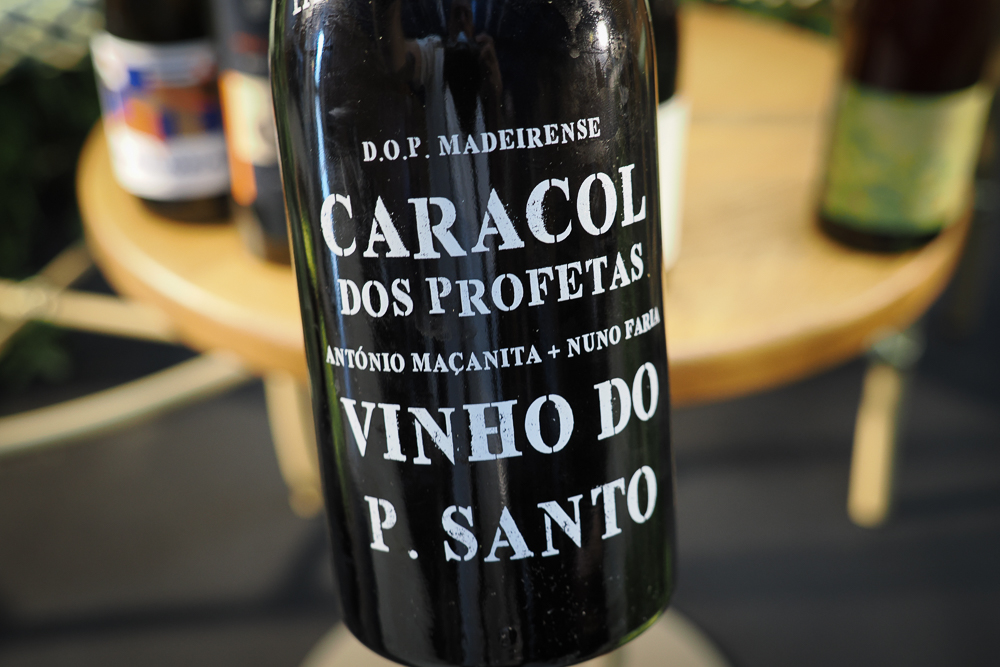
Caracol dos Profetas Fazendas Areia 2023 Madeira Porto Santo, Portugal
Tight, mineral, flinty reductive nose leading to a powerful palate with citrus and minerals and lovely tension. Crystalline, bold, energetic and showing amazing fruit presence. Has some richness, but also lovely acidity and minerality. 95/100
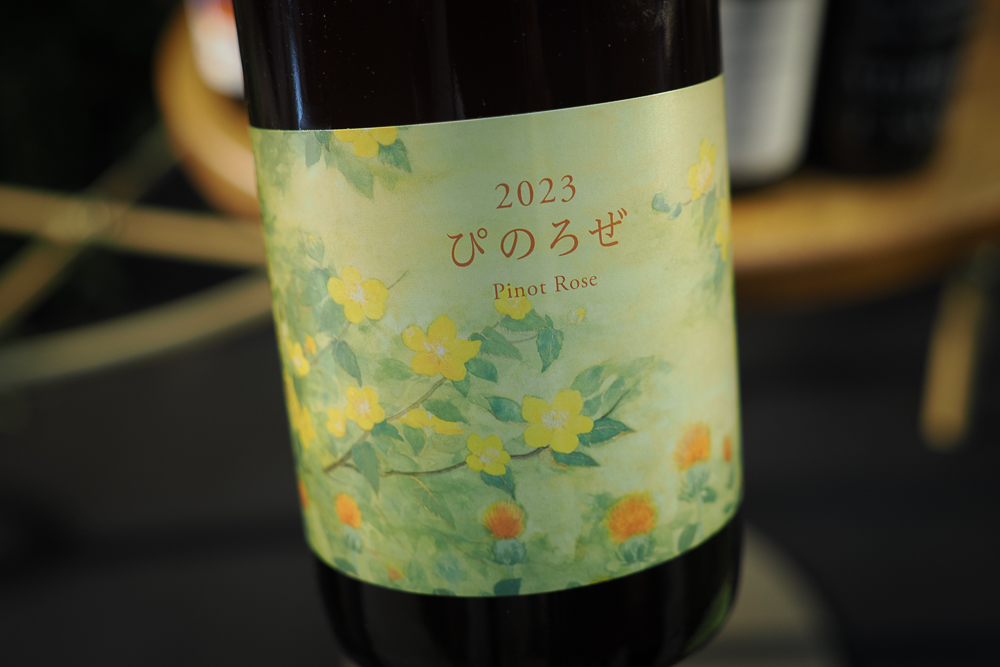
Coco Farm Toaru Pinot Noir Rosé 2023 Hokkaido, Japan
97% Pinot Noir, 3% Chardonnay. Faded pink/red colour. Sappy, leafy cherry fruit nose. This is flirting with VA, showing sweet acidity on the palate. Sweet, strawberry and pear fruit with lovely texture and volume, and nice spicy detail on the finish. So intriguing and elegant with edges, but also beauty. 95/100