Biofiltro: cleaning up winery waste water with worm power, creating high-quality compost at the same time
Website: https://biofiltro.be/
Biofiltro is an innovative way of dealing with winery waste water. And the bonus is that because it is worm-based, it creates vermicast, a high quality organic fertilizer at the same time.
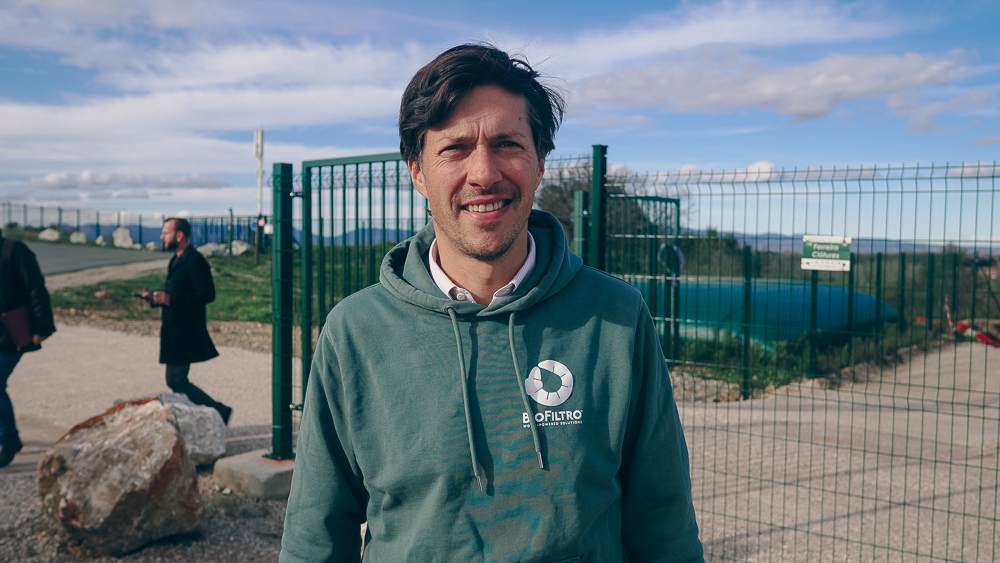
I caught up with Arnaud Maurissen at Domaine Lafage in the Roussillon to see how it works. Lafage have been pioneers in implementing this system in France. Previously, I’d seen it in action in Chile at Montes.
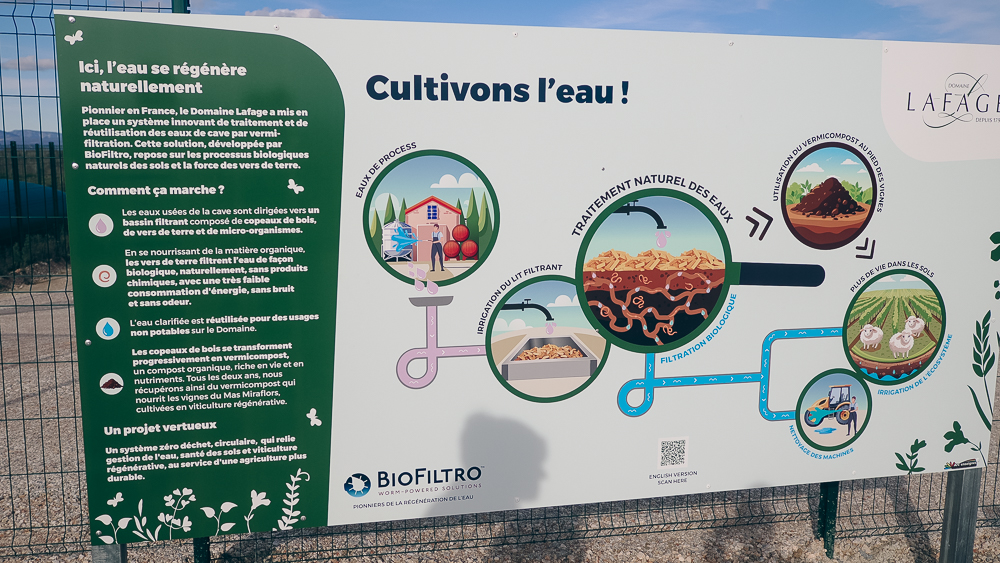
They now have 100 installations in vineyards and other places. They began in the USA and Chile, and have now started in Europe.
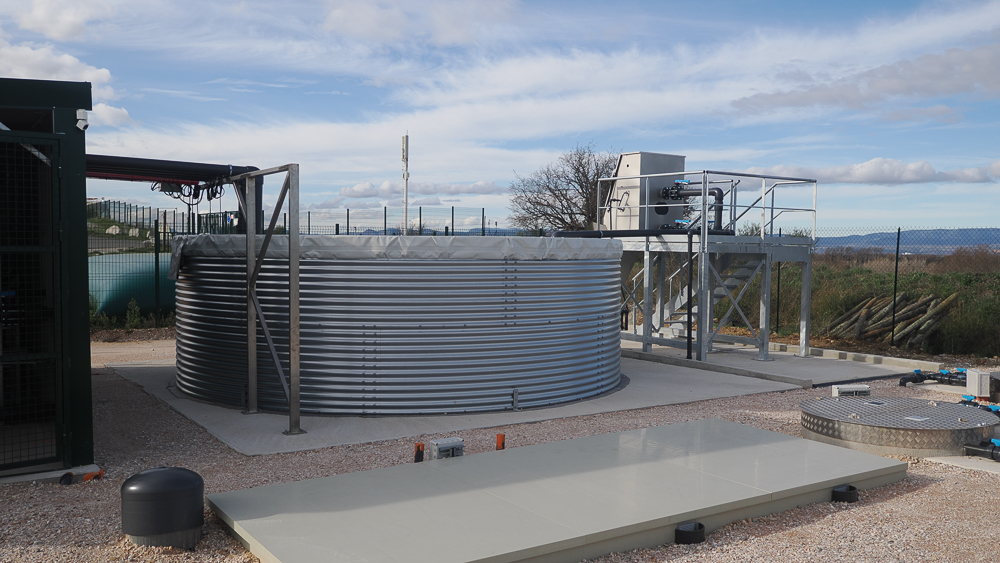
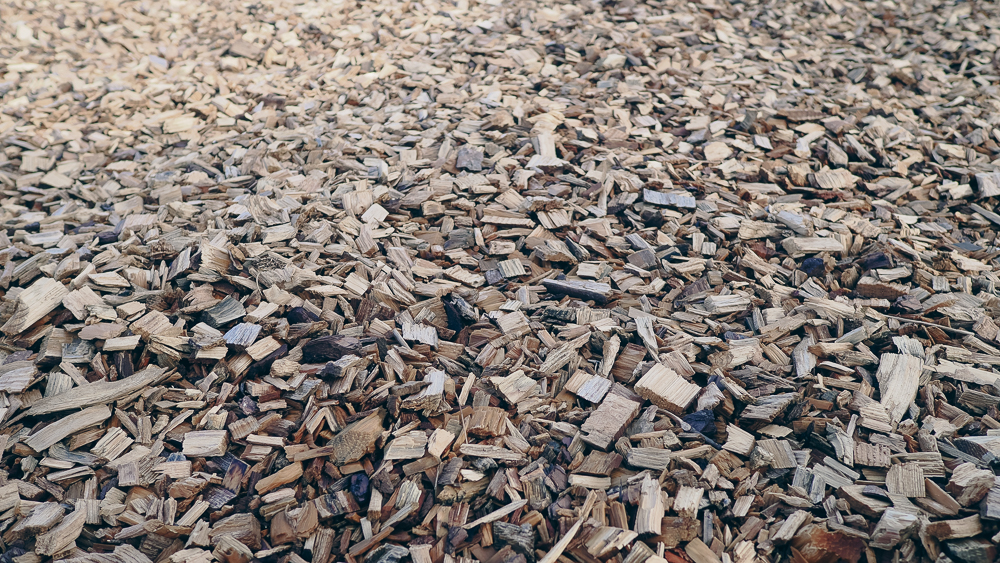
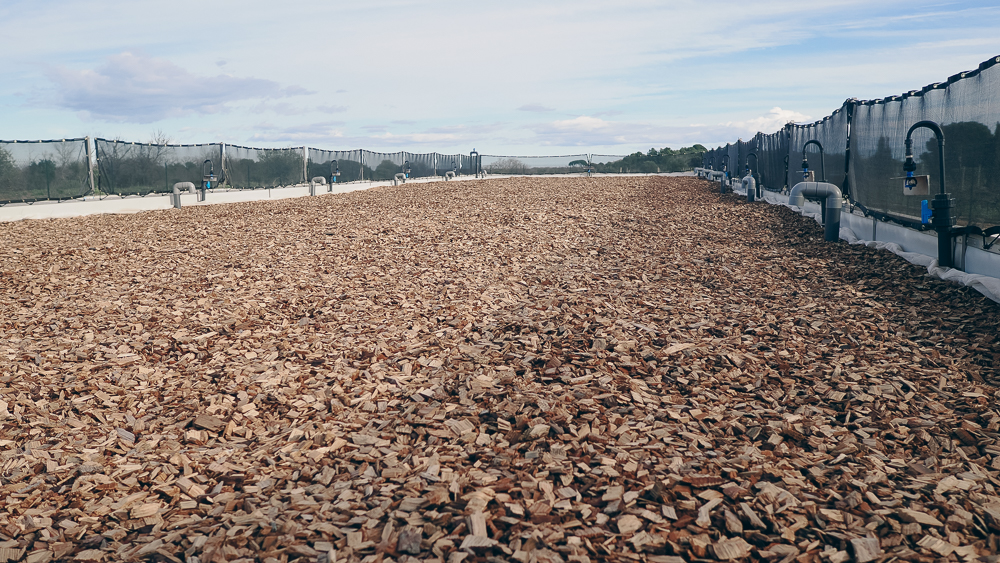
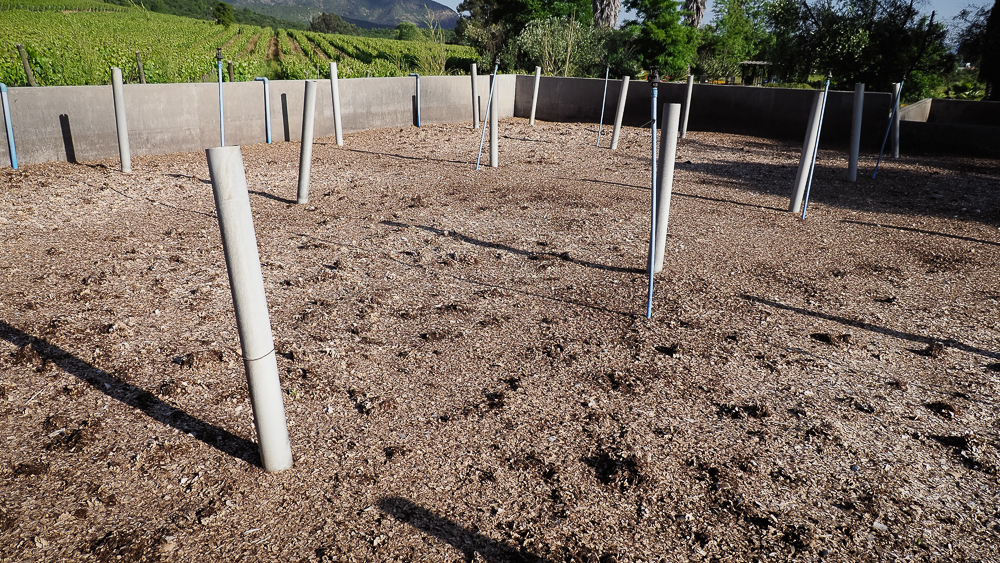
The winery waste water first goes to a lagoon, and the pH is adjusted to make it worm compatible. pH 7 is ideal; normally the winery water is pH 5.5-7.5. Then this water goes to a large basin that’s full of woodchips. The woodchips can’t be too small because they need air flow in the system, and want to avoid them being compacted.
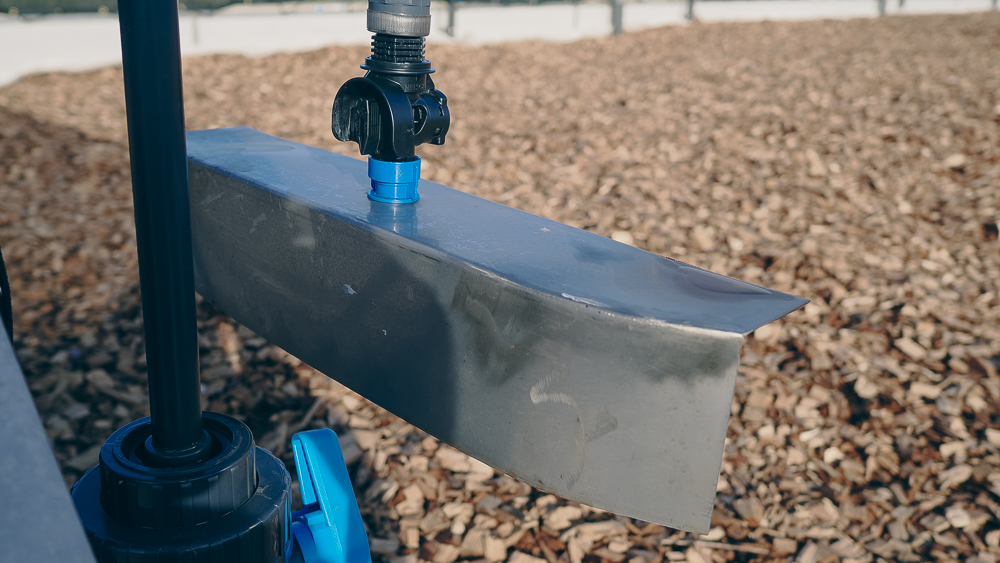
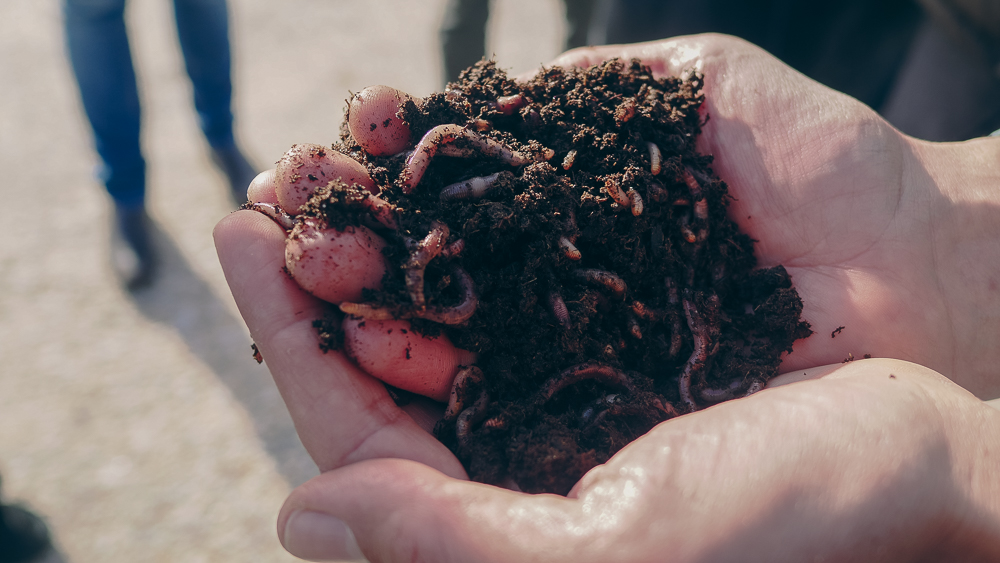
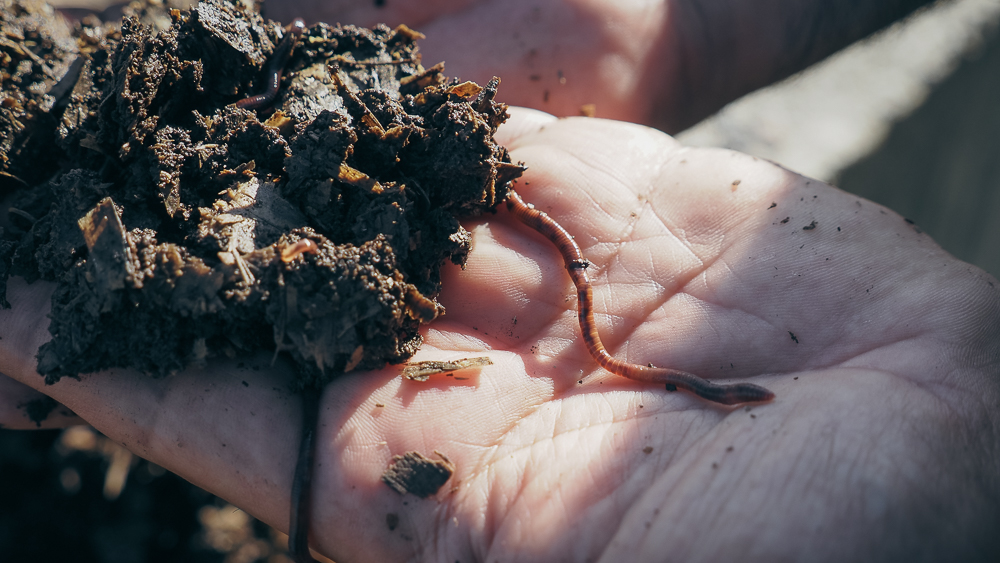
The worms are initially inoculated at 500 g per square meter. They then begin digesting the wood chips, and in turn produce vermicast, a high quality compost. The waste water is fed over the chips in a steady flow. The worms remove the organic compounds from this waste water and this biological filtration makes it fit for use in irrigation.
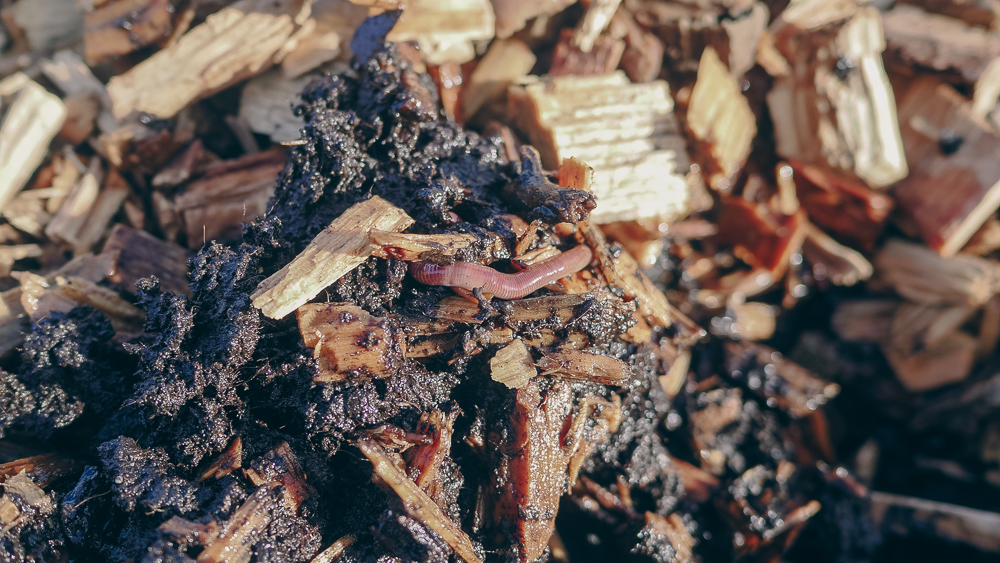
From time to time they harvest the vermicast. The worms mostly live in the top 20cm, so they remove this and put it aside. They then collect the vermicast (the system produces 500 kg per square meter, and the basin is 400 m2). They then put in new woodchips and add the worms and woodchips back.
This system consumes much less energy than the regular winery wastewater treatment. It also produces the vermicast and also water for irrigation (10 000 m3 per year).
For an up-to-date review of the science of winery waste water treatment, this is a useful article: https://www.mdpi.com/2073-4441/18/4/504