Visiting Montes, a major Chilean winery who are making the switch to regenerative viticulture
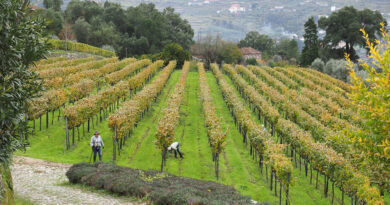
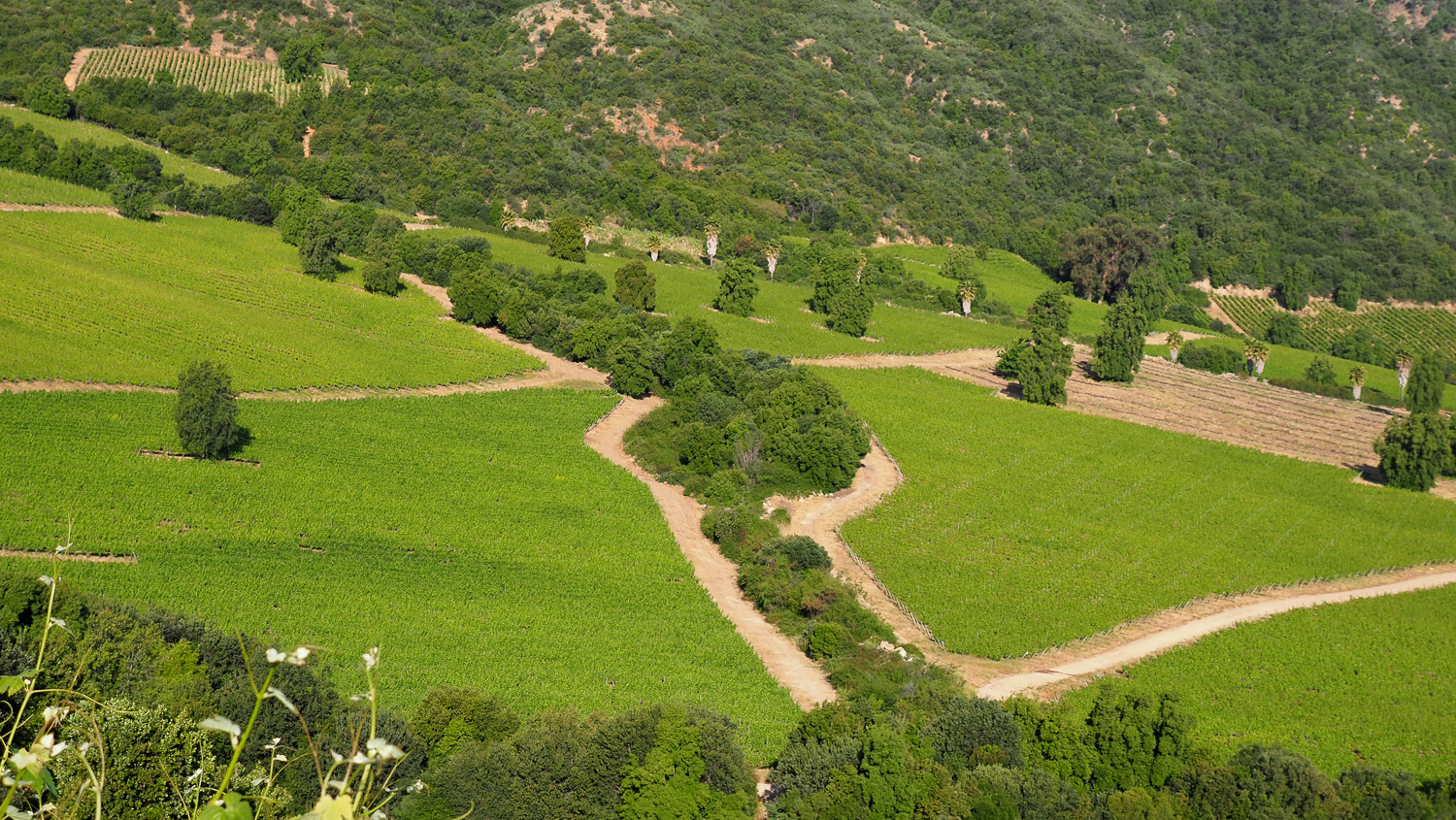
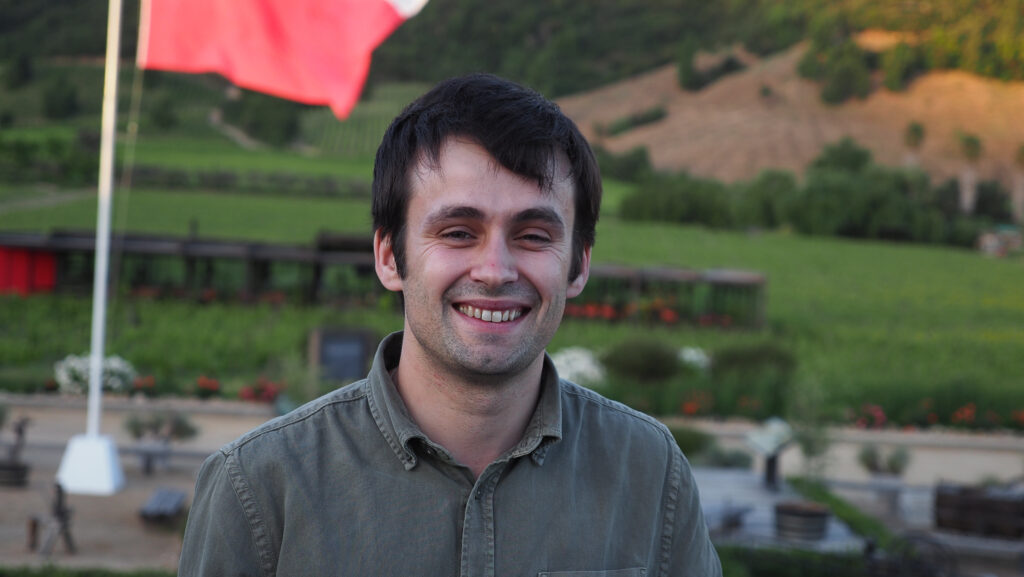
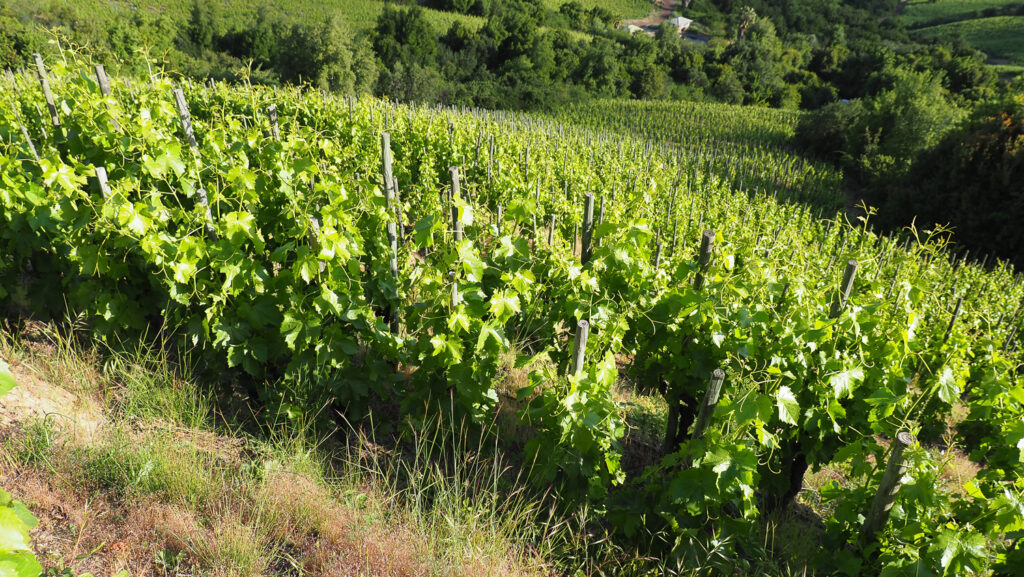
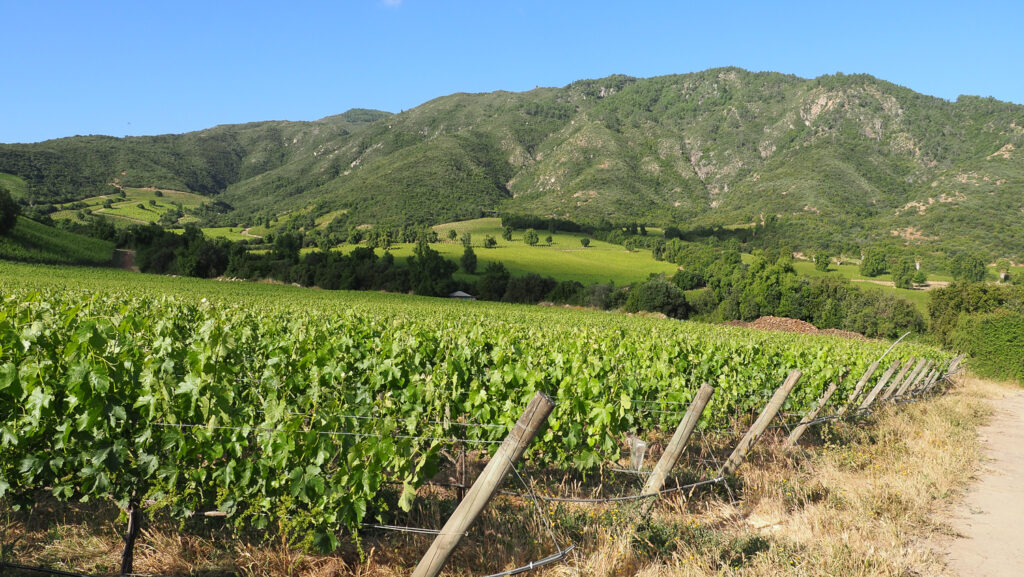
I visited Montes with Rodrigo Barral chief viticulturist and Santiago Izcúe, winemaker. It was an interesting visit: this is a rather special vineyard, with the main part of the property consisting of an amphitheatre-like arrangement of vines on hillsides at the end of the Apalta Valley in Colchagua. It’s varied and quite beautiful.
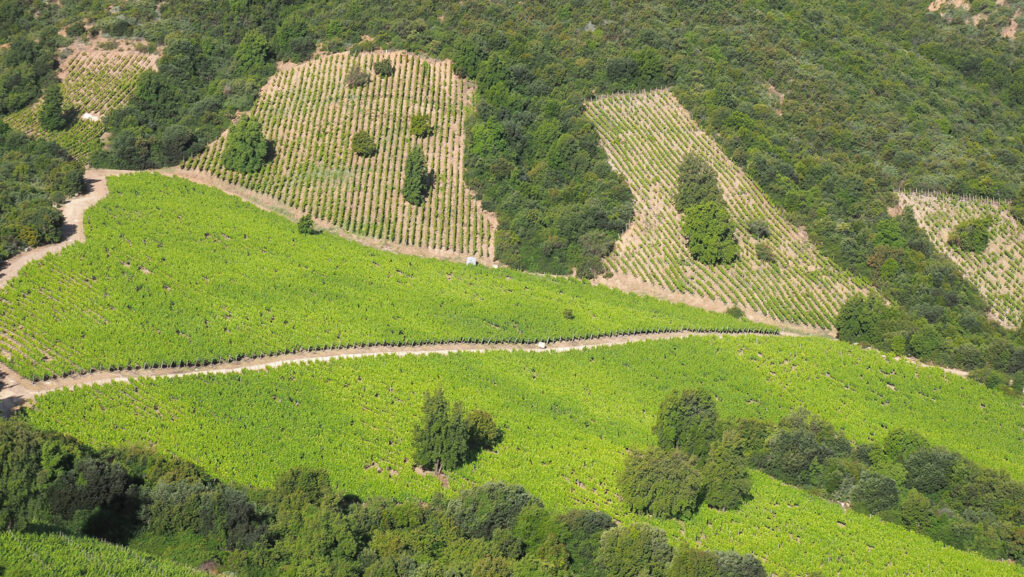
Montes has 120 hectares of vines here in Apalta, plus another 450 in Marchigüe, also in Colchagua but closer to the ocean, so a cooler site. They also have the 47 hectare Zapallar vineyard in coastal Acongcagua. The project dates back to the late 1980s, when it was founded by Aurelio Montes and a couple of partners, and has grown significantly since then.
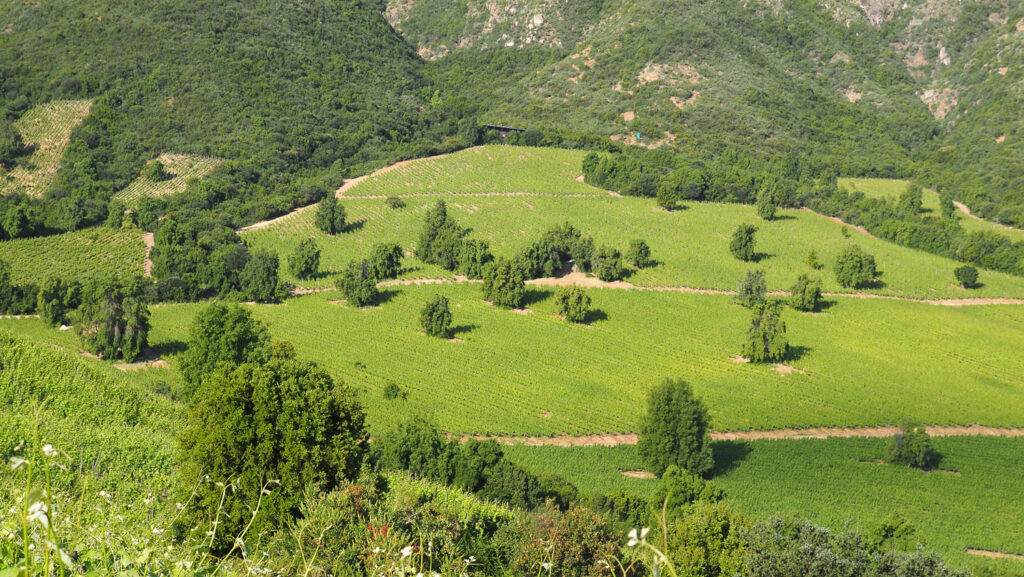
Four years ago, Aurelio Montes asked Rodrigo to look at converting the vineyards to organics. But Rodrigo says that this didn’t sit well with him. The motivation for this was that they were becoming concerned about the resilience of the vineyard. A look at the chart plotting GDDs over the last 24 years showed that there was a slow rise, but from 2015 the seasons have varied a lot, with a big fluctuation of el niño and el niña years. In terms of GDDs the cooler seasons are below 1600, and the warmer ones past 1800, and with these fluctuations there’s quite a variation in rainfall. Climate chaos is the new normal!
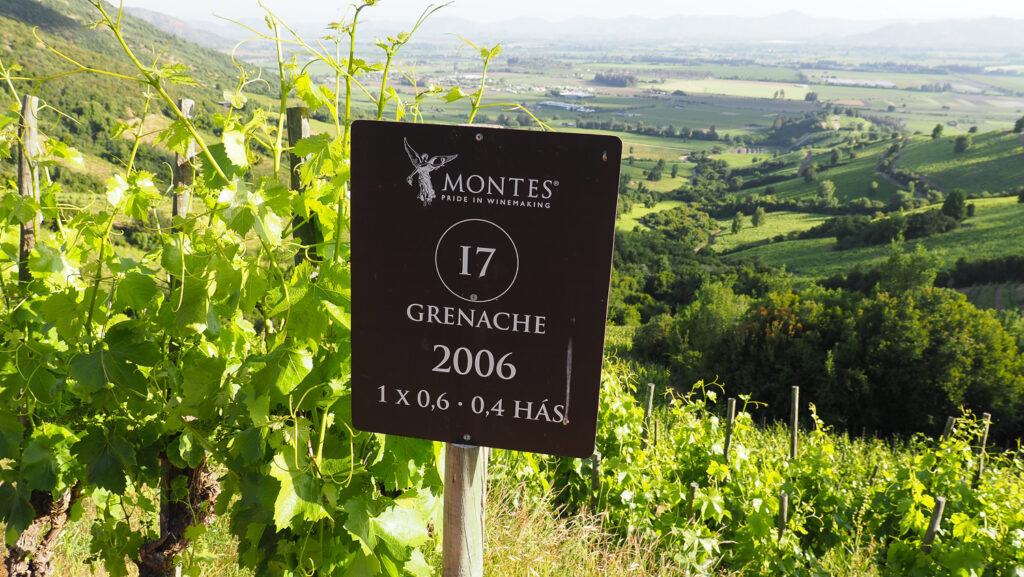
Rodrigo had been to a seminar on climate change and regenerative farming, and decided that rather than heading down the organic path, a switch to regenerative would be the best route to take, because it promises to increase the resilience of the vineyard. So this is what they have done.
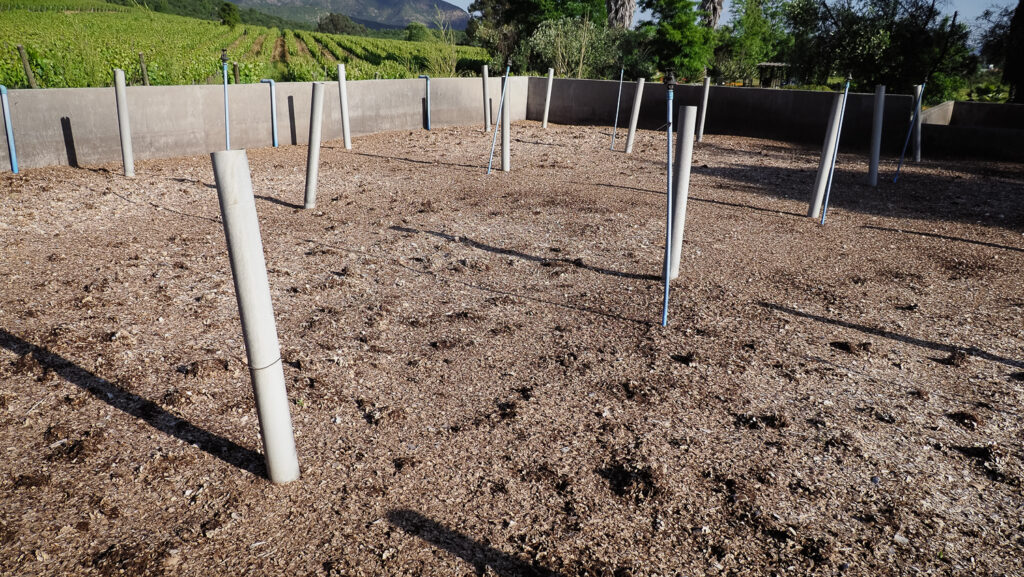
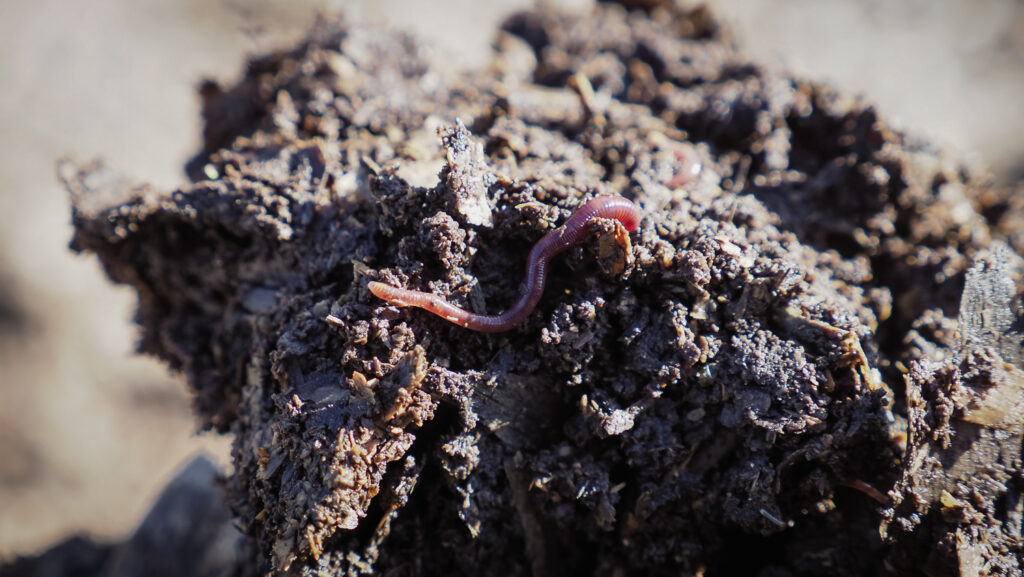
Vermicasting is an interesting process. Unlike normal warm composting, it’s a cold process that doesn’t generate a lot of heat. It is usually done with a species of worm called Eisenia fetida, also known as the red wriggler, and it’s a surface dwelling epigeic worm well suited to this task.
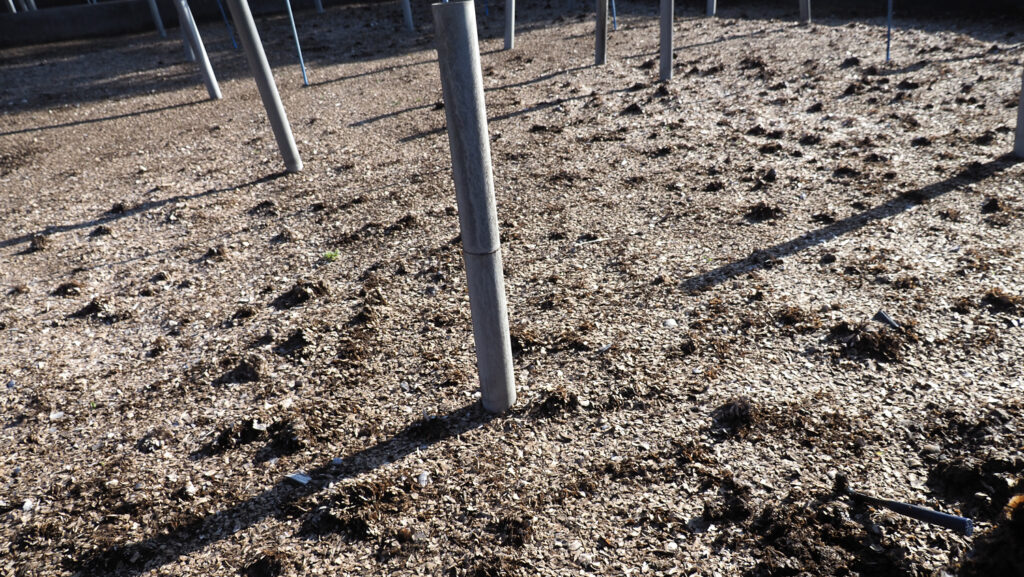
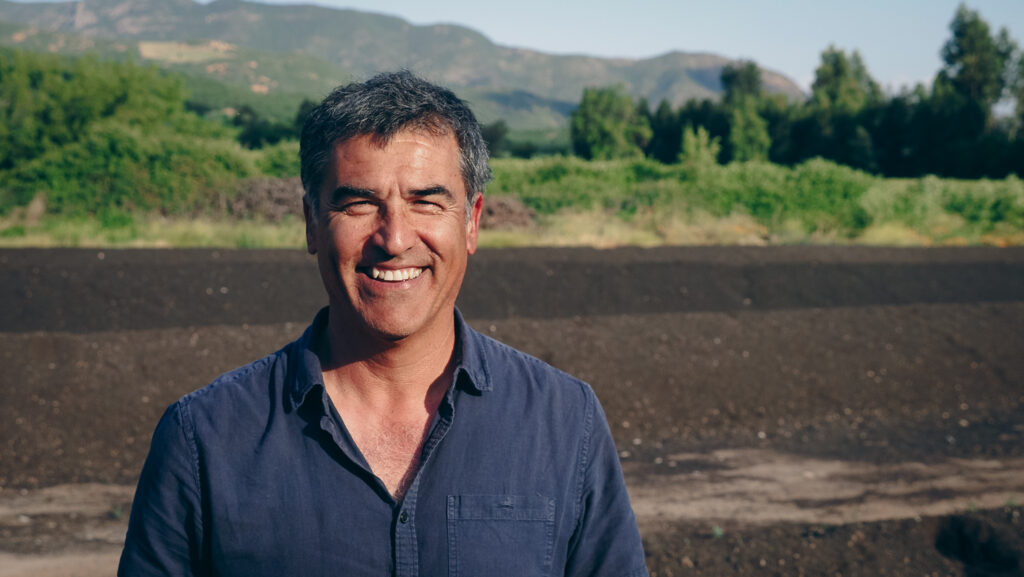
They produce vermicast using the Biofiltro system that I’ve written about before. This is a 30 x 40 metre plot where they use wood chips and cardboard waste, and water it with minimally treated winery waste water. The worms break down the wood and cardboard, cleaning the waste water in the process, and this is of the quality to be used for irrigation. And a by-product is the black gold: vermicast.
Another thing they do is to make JADAM compost tea. This is a cheap and effective way of culturing microorganisms that you can then add back to the soil.
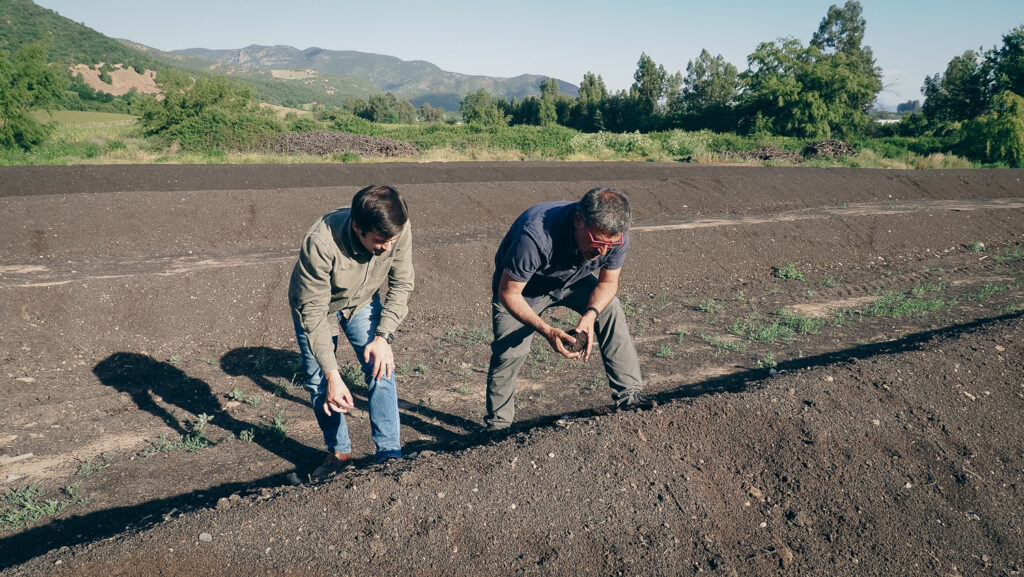
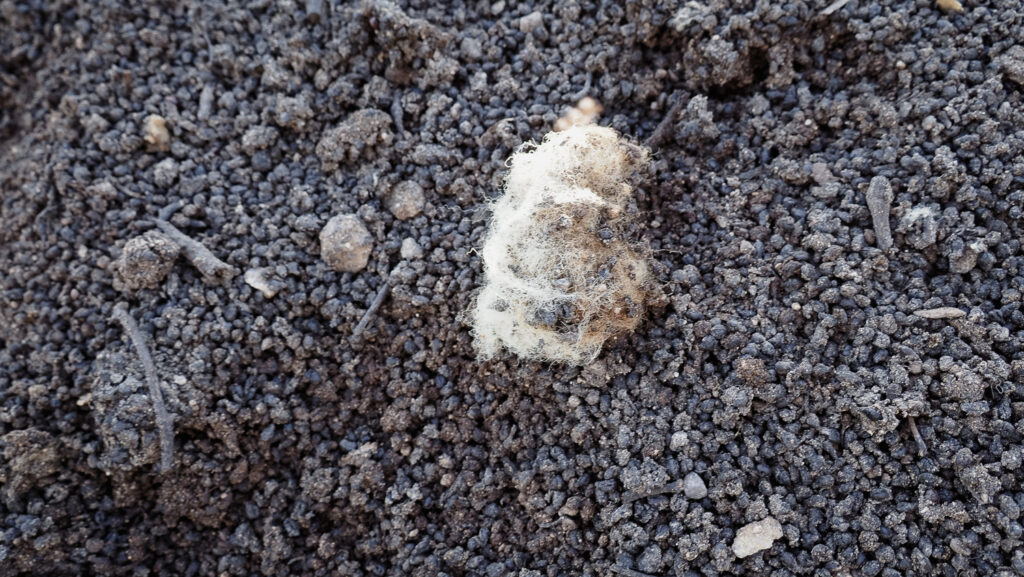
For composting, they use wool and grape marc, and mix in some vermicast. They control the temperature because they want lots of fungus, and if the temperature gets too high the fungus is lost. 500 m3 ends up as 250 m3 at the end of the process. They use it at a concentration of 4 tonnes/hectare in new blocks and any weaker blocks.
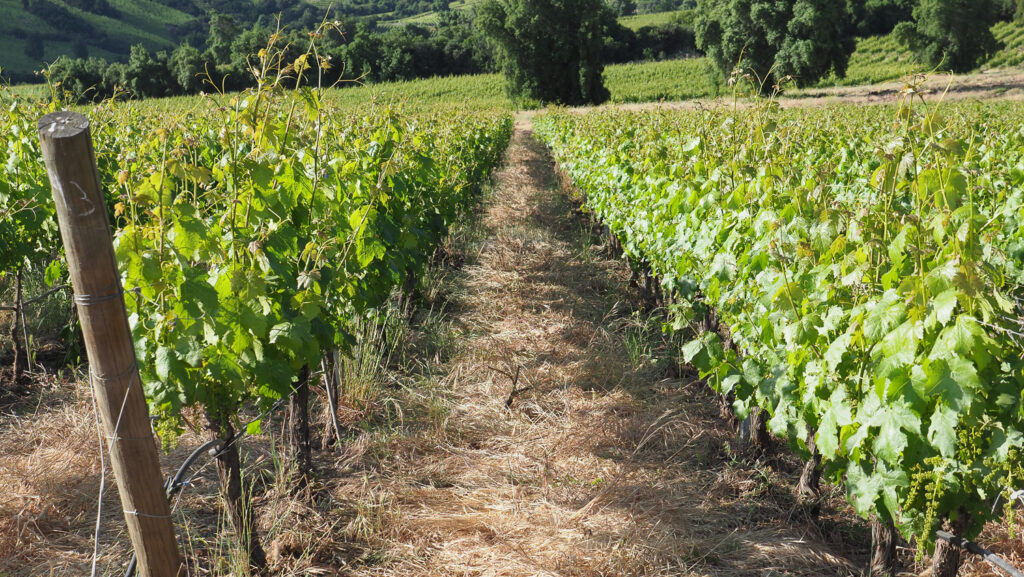
They are still learning about cover cropping and managing them in this site. They use a roller crimper to terminate the cover crop as the vines get going, and a finger weeder for undervine. ‘The weeds were our enemies,’ says Rodrigo, ‘but now they help us to have the natural balance in the whole vineyard.’
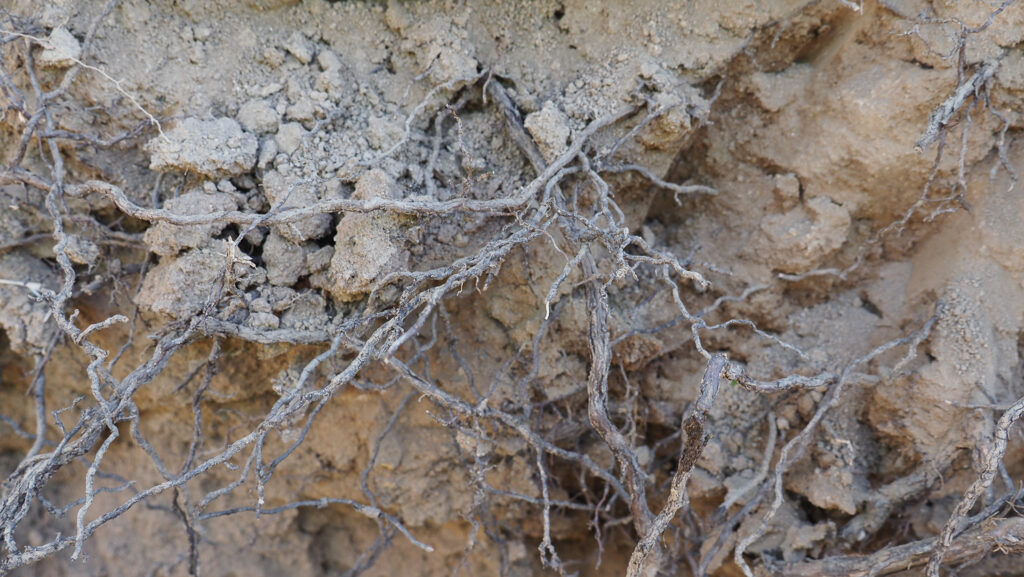
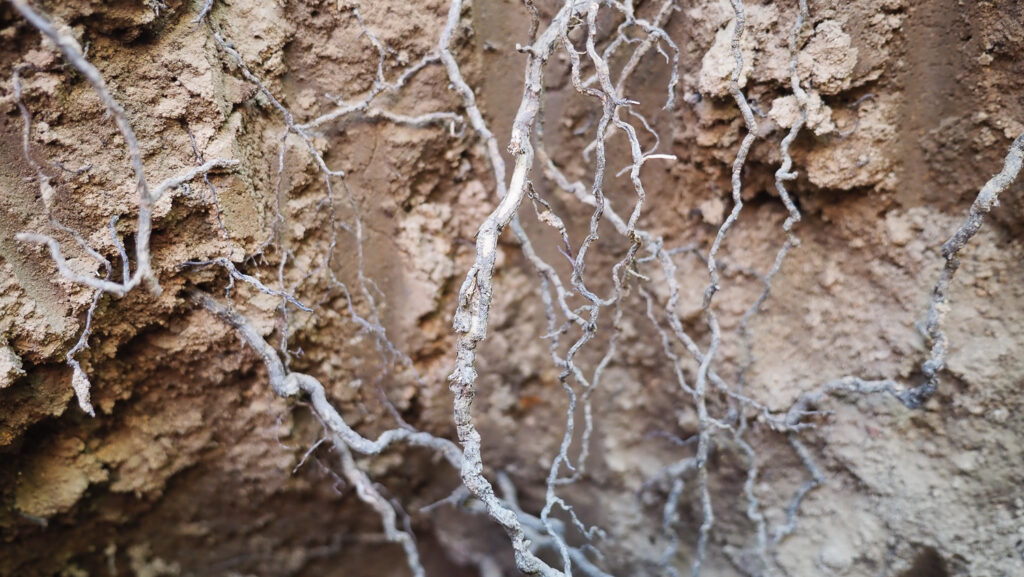
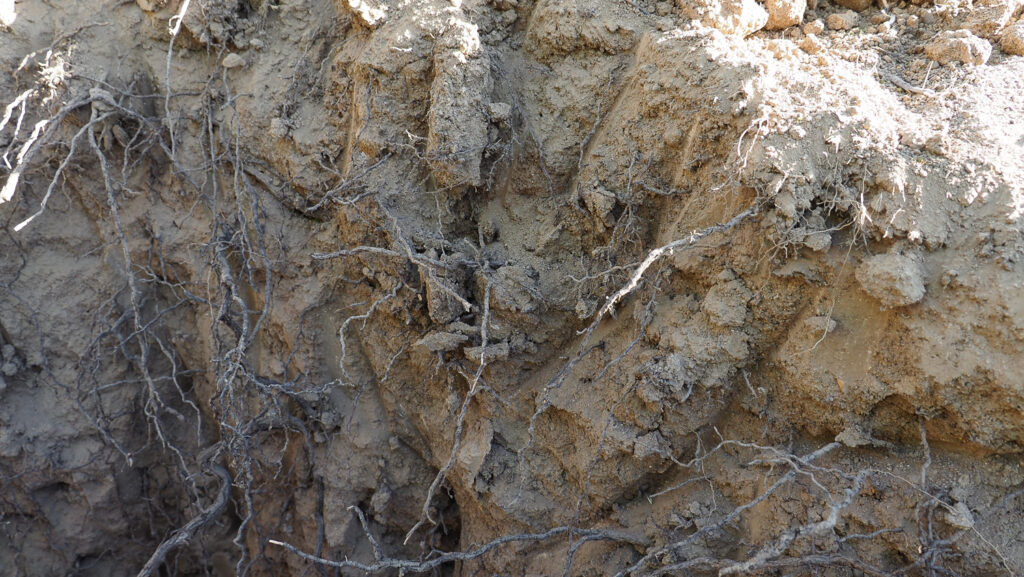
They have been measuring fungi, bacteria and protozoa in the soils from 2023. The new farming regime has had measurable impact. Potassium increased 31% and phosphorus 22%, so they no longer have to add these as inputs. Overall, they have reduced inputs in Apalta by 31%, and in Marchigüe they are down 54%. They no longer use any herbicides in Apalta, and they’ve reduced herbicide use in the much larger Marchigüe vineyard by 49%.
One of the goals of regenerative farming is increasing soil organic material. This also has a side-benefit of reducing atmospheric carbon dioxide. Rodrigo showed me some data. In first 30 cm of soil, if you increase organic matter by 1% this stores 83 tonnes of CO2 per hectare. If we do this in all agricultural soils in the world, he points out, then we’ll be storing 130 gigatons, mitigating 7 years of CO2 rises. When they started the regenerative program, their soil organic material was 1.5% and three years later it is 3%. Adding +0.4% organic material per year offsets all their carbon dioxide emissions.
THE WINES
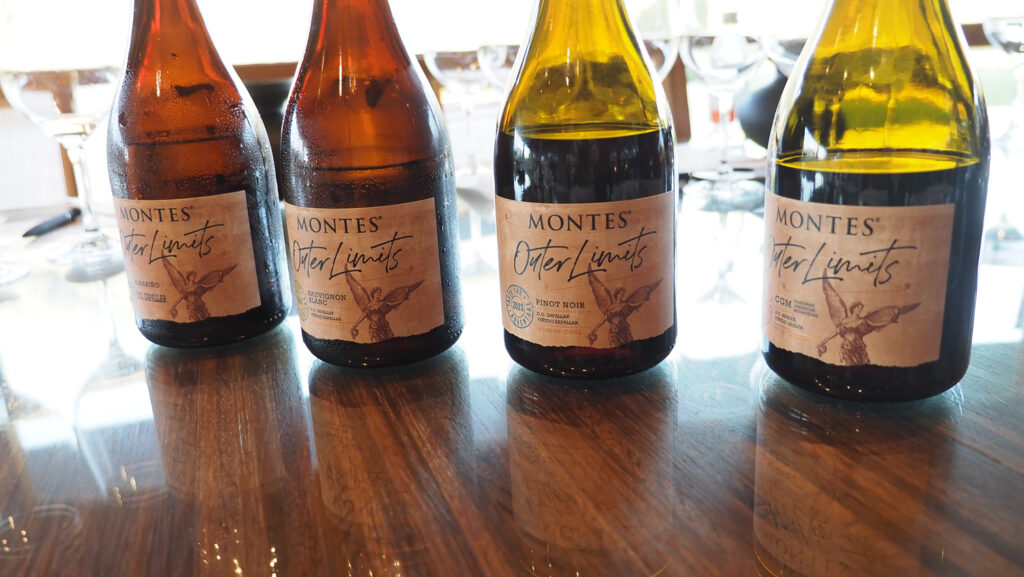
Outer Limits Albariño 2025 Zapallar, Aconcagua
This is 7 km from the Ocean and has a strong cooling influence, and it works well for Albariño. Natural decantation, 80 NTUs so the juice is very clean, 14 C fermentation temperature in stainless steel. This is pure, vivid and quite primary with crisp, clean citrus fruit and some pear drop esters from the fermentation still. Fresh and crystalline with a touch or apricot. 90/100
Outer Limits Sauvignon Blanc 2024 Zapallar, Aconcagua
12 h cold maceration, natural decanting, long fermentation at low temperature. Bottle young. Chalky and a bit green on the nose. Vivid citrussy fruit with a touch of elderflower. Good concentration with well-integrated green notes and good acidity, and a nice chalky edge. 88/100
Outer Limits Pinot Noir 2023 Zapallar, Acongcagua
One tank is carbonic (100%, pressed and finished fermentation in liquid phase), second tank is destemmed, third is stems added back in layers. This makes three different wines. This is silky and fruity with nice complexity: there’s sweet cherry fruit but also hints of undergrowth and spice. It’s warm and spicy, but also fresh and quite layered. A lovely Pinot Noir. 93/100
Outer Limits CGM 2024 Apalta, Colchagua
Carigan, Grenache and Mourvèdre from Apalta. Use gravity instead of pumps. They use commercial yeasts. Stainless steel for fermentation, 3 pump overs a day (short and gentle), short macerations. Rack into concrete eggs and old barrels, in order to get some softness. This is juicy and energetic with vivid black cherry and blackberry fruit with some firm, grippy tannins and good acidity. Juicy and linear with a touch of pepper on the finish. 93/100
Montes Alpha Cabernet Sauvignon 2015 Colchagua
15% Merlot in the blend. 50% new French oak. This has a powerful nose of mint and blackcurrant with a hint of vinyl and tar. Intriguing. The palate is still youthful with some dusty blackcurrant fruit and good structure, as well as bright acidity. Very minty! Nice balance here with a remarkable personality, and still with potential for further development. 93/100
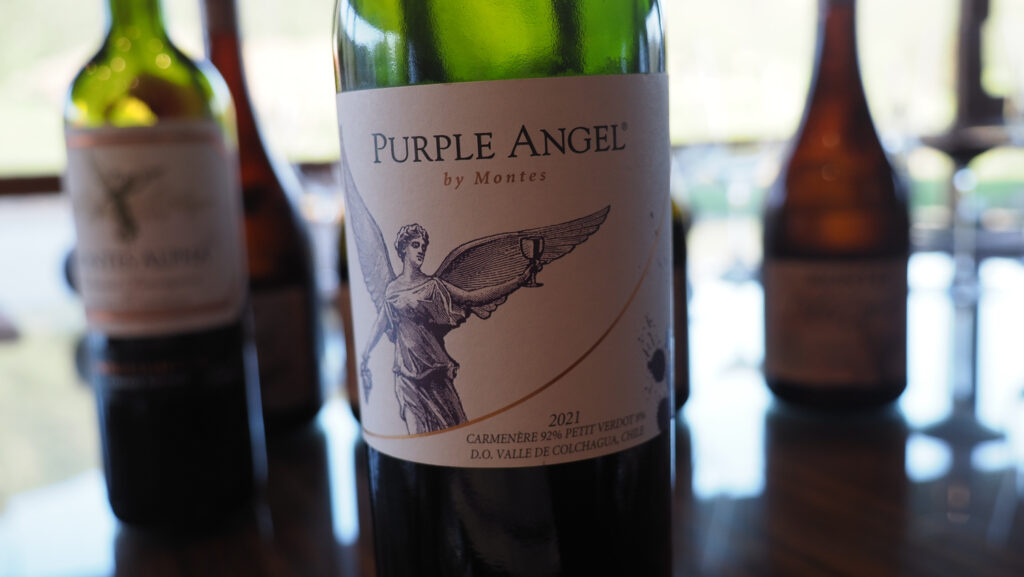
Purple Angel by Montes Carmenère 2021 Colchagua
92% Carmenère, 8% Petit Verdot. Aged in French oak, 70% new. This is benchmark Carmenère with ripe blackcurrant fruit, some chalkiness, and then black cherries, some mulchy leafy characters, fig and pepper, with some grippy tannin. There’s a lovely density and intensity to this wine, with black fruits to the fore and a hint of blackberry jam. This has a lot of personality, and the oak is just swallowed up by the fruit, with a nice mouthfeel. 94/100