THE STORY OF MADEIRA
Enthrallingly versatile, everlasting and bomb proof – Madeira is the perfect sup for our uncertain times says Lisse Garnett
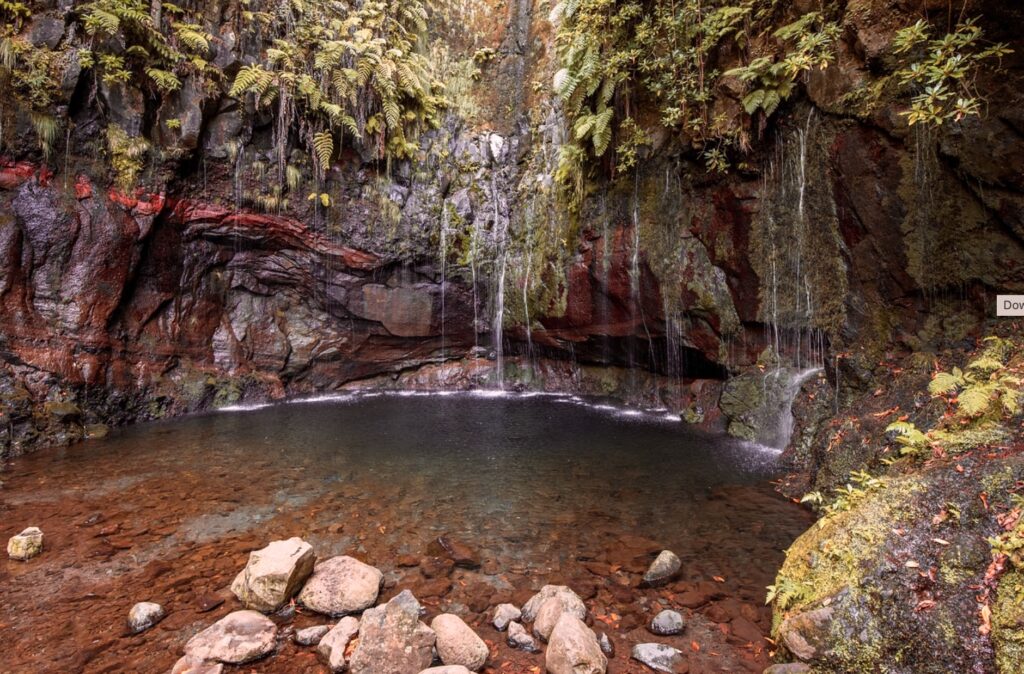
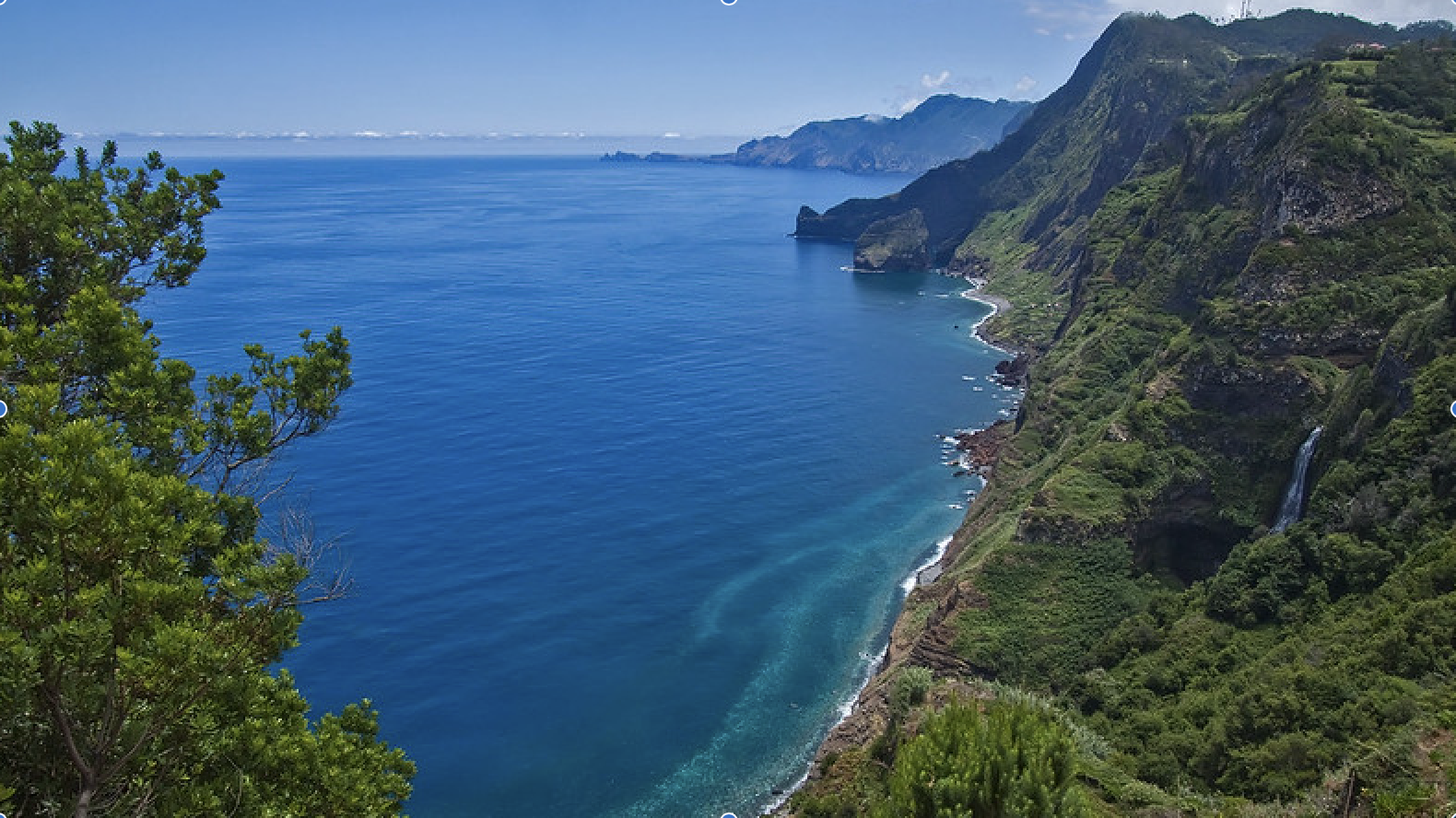
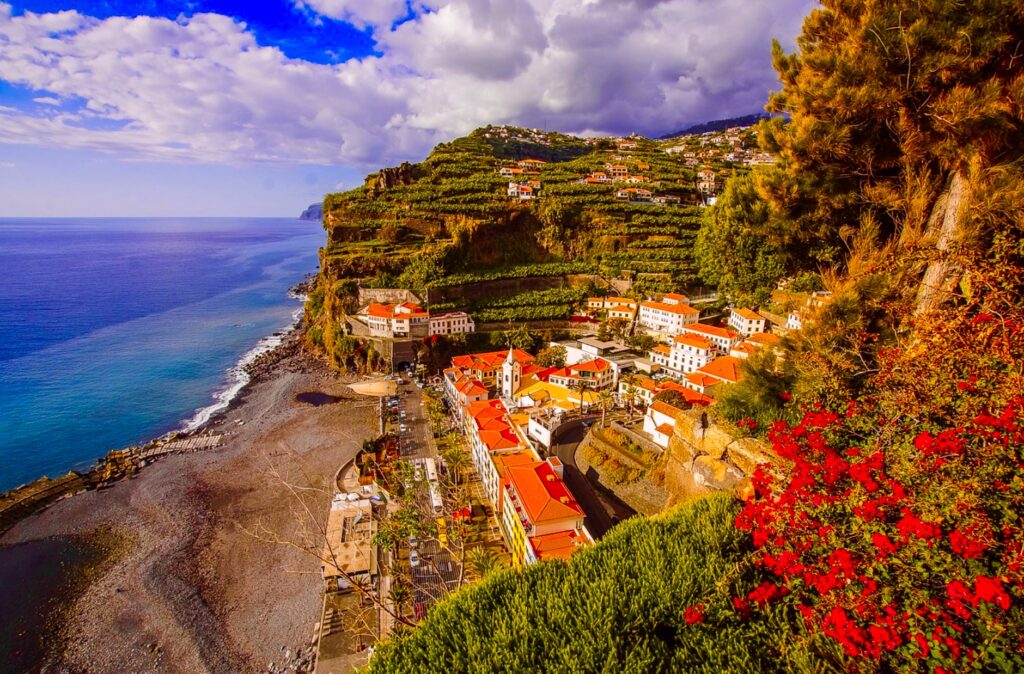
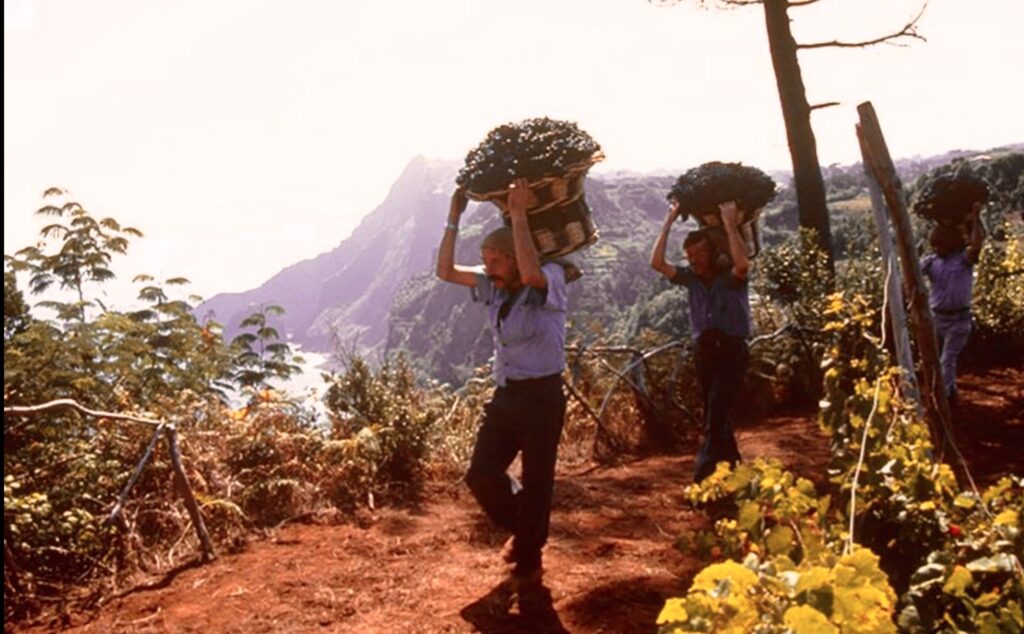
400 miles west of Morocco and 500 from Portugal, lush, wooded, subtropical Madeira lay uninhabited until the age of exploration began in the 1420s. This remote volcanic Archipelago marked the perfect spot to establish a colony. Madeira enticed renaissance settlers by virtue of two logistical advantages, Atlantic trade winds, imperative for passage to the Indies and the New World and the availability of fresh supplies. Ships needed victuals for long voyages and Madeira’s fresh water; food, wood and wine made the island a crucial stopover point for adventurers like Cristopher Columbus. The island proved ripe for cultivation too.
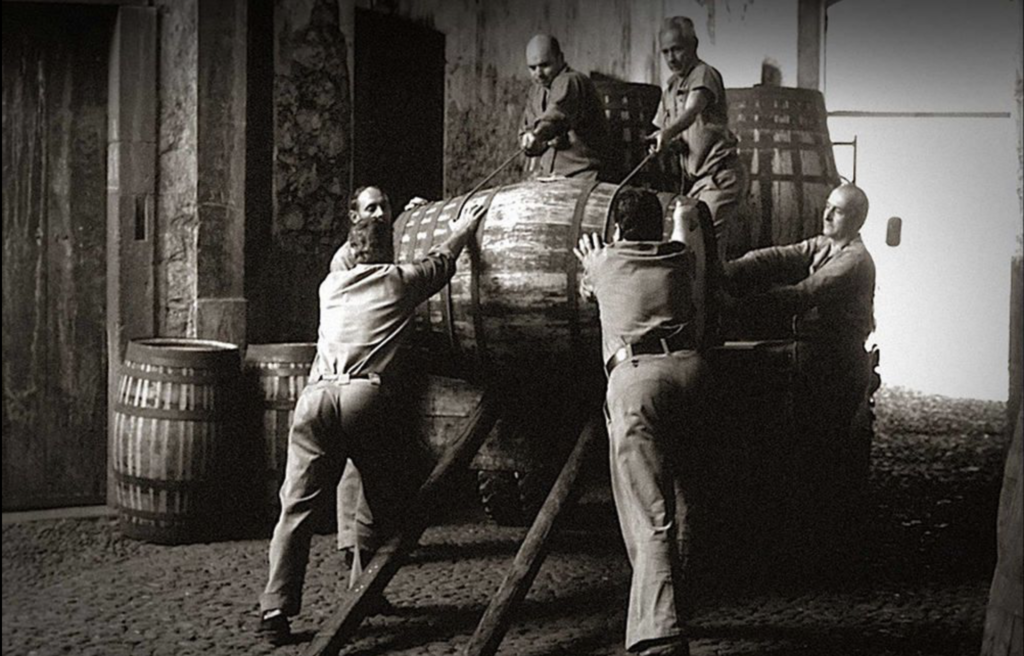
Though Madeira’s discovery is attributed to two Captains of Henry the Navigator, a Portuguese prince in 1419, its existence is shown in a Medici atlas dating back to 1351. Various legends exist of Viking landings and shipwrecks. Machico may have been named after Robert Machim of Bristol who may have been stranded on the island with his lover, we will probably never know. What is certain is this island chain became a seat of early capitalism from where wood was first exported (Maderia means timber) and where later slaves were probably shipped from the Canaries to dig the 3000 plus kilometres of water channels, levadas needed to irrigate sugarcane, for such was the way of the times. Sugar famously required furnaces to process, and deforestation of the island is evidenced by the importation of new world wood for wine barrels in the 17th century. Madeira offers up a tale of human capitalism in miniature though its peaceful shores are now free of barbaric slavery and questionable privateers.

MADEIRA HOUSES AND THE FOUNDATIONS OF PRODUCTION
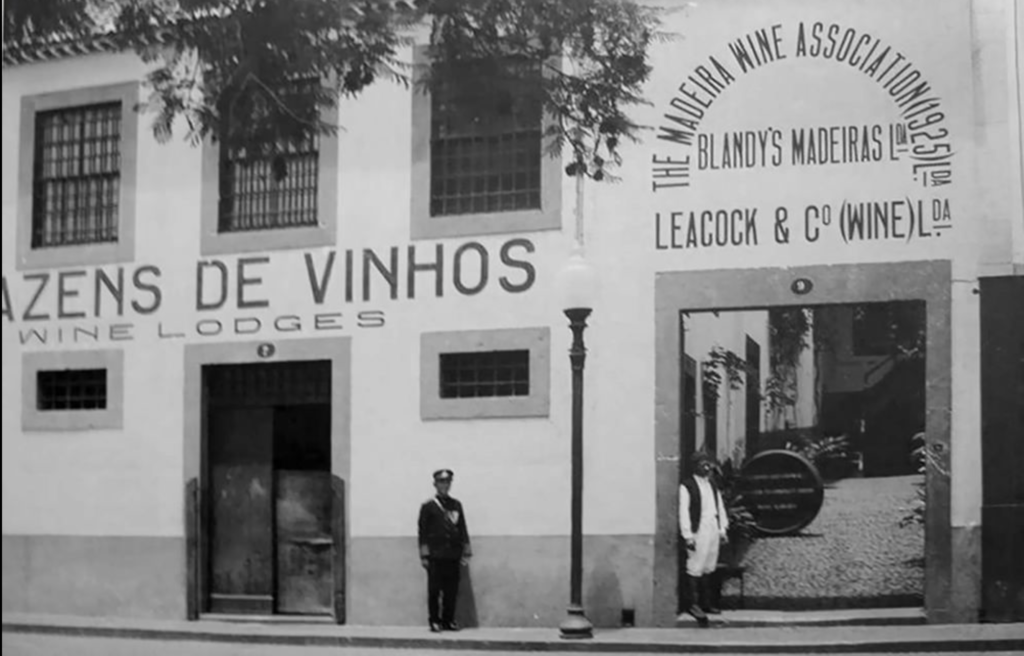
Today there are eight Madeira houses and approximately 440 hectares (1,090 acres) of vines. This is far fewer than the peak of 30 and an estimated 5,000 hectares under vine (12,400 acres) in the early 19thcentury. Maderia was wildly popular in the colonies during the 17th and 18th centuries; it was used to toast the signing of the American Declaration of Independence in 1776, it is also referenced by Shakespeare and was rumoured to be the Duke of Clarence’s chosen poison, in which he later drowned. In 1860 there were 2,500 hectares (6,200 acres), the decline has been gradual but inevitable as our desire for sweetness discovered an infinite range of new territories. Remaining exporters are Justino’s. H.M. Borges, J. Faria & Filhos, Madeira Wine Company (which houses several brands such as the famed Blandys), Vinhos Barbeito, D’Oliveira, Madeira Vintners, and Henriques & Henriques.
Initially wines were not fortified and therefore quite unstable and the addition of distilled cane sugar helped them survive the long voyages. Regular fortification came about in the the 18th century because drinkers loved the chance flavours of maderization that extreme conditions on ship impart. These wines are known as Vinhos de Rhoda, I have included an extract of a recent sale of a modern example at Christies below… More practical purpose-built heated rooms, known as estufas were constructed on the island to mature the wines in situ. Ballast matured wines are far harder to create and much more costly. Heat damage and volatile acidity considered faults in all other wines – add wonderous complexity to the niche status of Maderia. As Dimitri Walters stated in his recent informative masterclass, ‘All Madeira is faulty.’
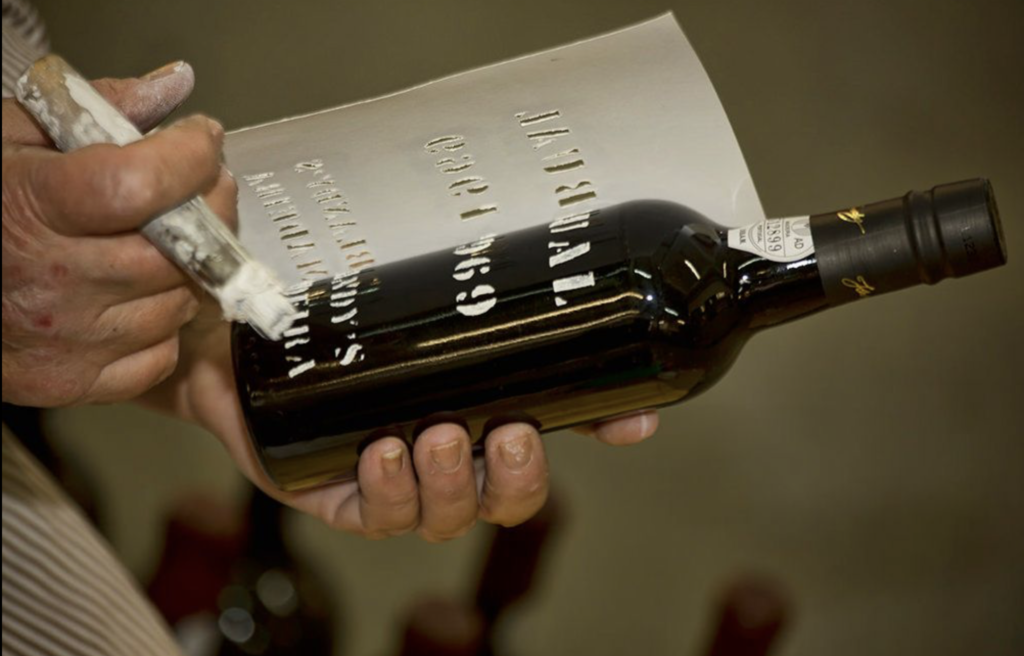
1969 BOAL VINHO DA RODA BLANDY
In the 17th century some of the wines of Madeira were exported to the Indies. When the wine returned to Europe, after having been exposed to high temperatures when passing through the tropics, they were found to have improved in quality. Following this discovery wines were sent on this voyage deliberately to enhance their quality and later sold at very high prices, being much sought after.
In modern times all wines are aged on the island of Madeira. This wine is unique in bringing back an old tradition.
Richard Blandy wrote the following letter in November 1991:
“A pipe of this wine, with the capacity of 625 litres, weighing a total of 740 kgs boarded the vessel the “Tahitien” in Funchal on the 6th of August 1971 with the objective of replicating the route by shippers in the 18th Century.
The objective was to send the wine on a return trip via Sidney, Australia. The barrel was marked with the following note:
MWA LDA , Funchal Madeira Boal 1969
Funchal Sydney Funchal
The vessel returned to Funchal on the 4th of November 1971 after a 90 day cruise whereupon 588 litres of the wine was transferred to another barrel and returned to the Company”
Blandy’s Boal SRD Vinho da Roda Demijohn Selection 1969
Bottled 2013. Wax capsules. Stencilled bottles
Tasting note: Dark amber. Pure nose of dried currants. A rounded well balanced taste, caramel, honeycake, sweeter then expected. A touch more concentrated then the already very fine classic Madeira-aged Boal 1969. Unique wine. January 2013 E.V.
3 bottles per lot
Oidium reached the island in the 1850s, then came phylloxera. Many replanted with sugarcane. The wine industry did not recover, and two world wars brought further misery. Today Madeira Wine is quietly carving out a growing presence in the UK market. Export data shows a 3.97% increase in volumes from 2022 to 2024, underpinned by strong seasonal demand in February, October, and November ahead of the festive period.

Tiago Freitas, President of IVBAM & Lisse Garnett
Tiago Freitas, President of IVBAM believes growth in the UK will continue.
‘Growth is driven by rising interest in premium, heritage wines, wider retail availability, and growing use in cocktails and fine dining. Continued progress will come from promoting Madeira’s story and food versatility and offering both accessible blends and premium aged wines. Availability and price sensitivity are paramount.’
DISTINCTIVE VARIETIES AND MADERIZATION
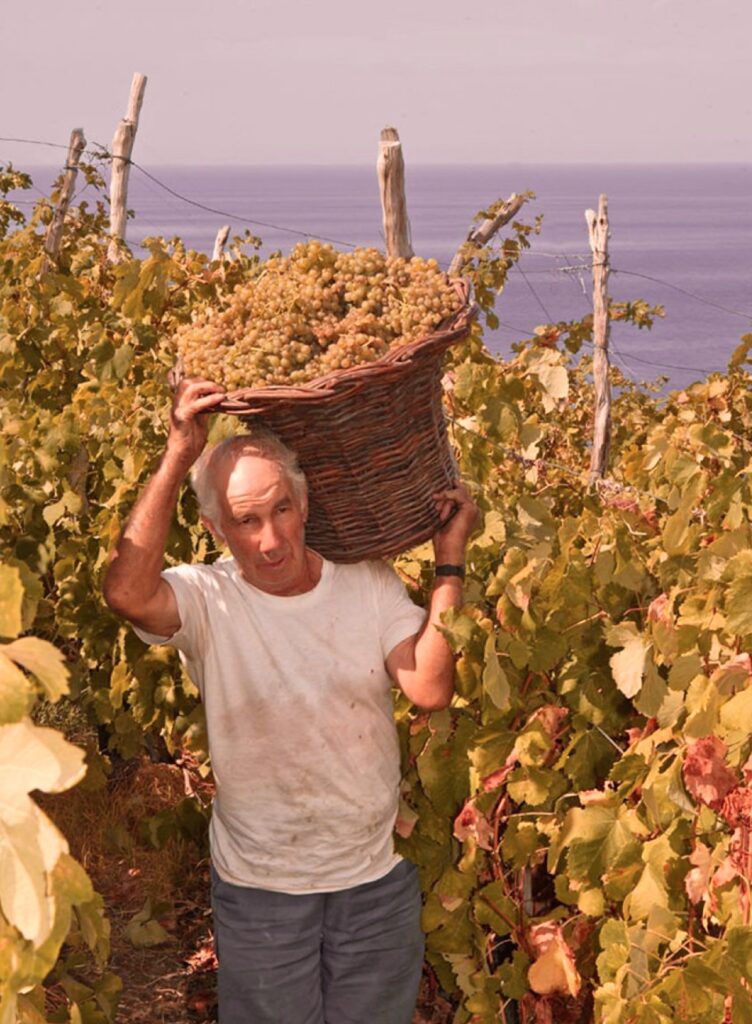
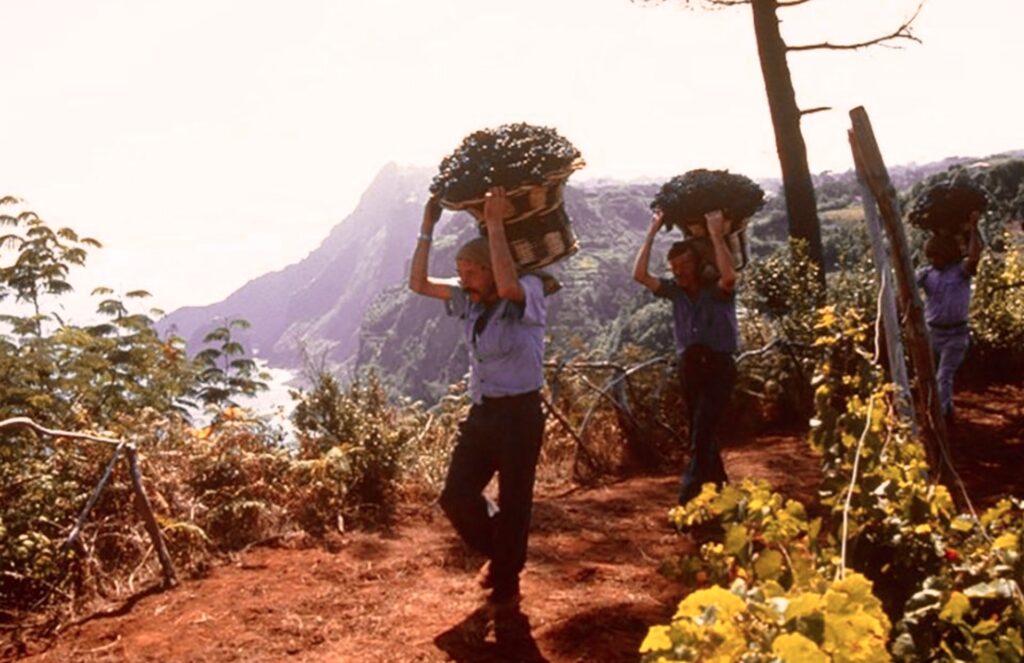
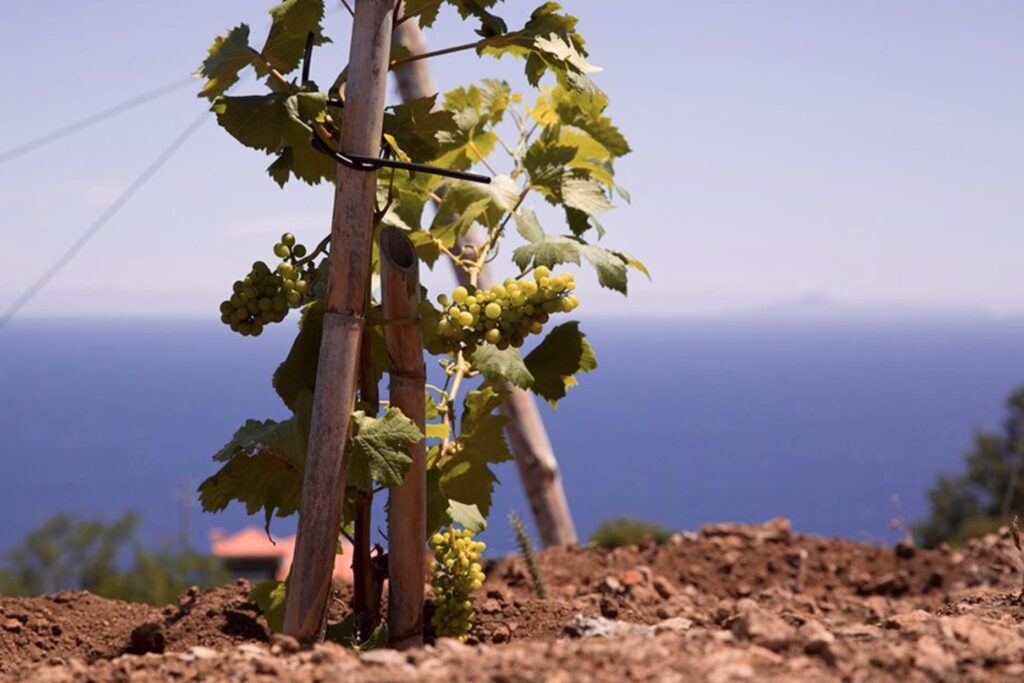
Madeira was the first place in the world to provide varietal bottlings. Much is made of the noble varieties, Sercial (Esgana Cão), Verdelho, Terrantez, Boal (Bual, Malvasia Fina), Malvasia (Malvasia Candida, Malvasia Branca de São Jorge) and Bastardo (Trousseau). Today 88% of bottlings are Tinta Negra (Tinta Negra Mole) which was added to the noble pantheon in 2015. When Madeira was devastated by phylloxera and damp, growers planted resistant hybrids, these have been outlawed since Portugal joined the EU in 1986. Tinta Negra is mould and disease resistant and can yield three times the volume of rot prone prized Terrantez. It hard to make a financial case for Terrantez but many Maderia obsessives love it.
‘Growers have to be very careful, but they don’t feel an incentive. The winemaker wants romance; he wants to make 20,30-year-old special wines but for the grower it’s more about how much money he/she will get for the crop. You get 3 or 4 tonnes per hectare for Terrantez – whereas Tinta Negra can go up to 15. The only reason I have it is because I own the vineyard and I like Terrantez.’
Humberto Jadim Henriques & Henriques
Sercial is known as the ‘dog strangler’ by virtue of its acidity – all of the noble varieties are high in acid, imperative for balancing sugar. Maderization, the process of oxidising wine by gradually baking it on long sea voyages or latterly in hot attics, caramelizes sugars, makes wine indestructible and imparts such a rich smorgasbord of flavours as to make all men salivate. This process was discovered accidentally – fortified sweet wine was often taken on ship for ballast and to counter scurvy – a forgotten barrel had famously crossed the equator at least once before being declared delicious. Today maderization is achieved in two ways, relatively quickly for young wines which undergo estufagem, heating in hot stores (estufas) to fifty degrees Celsius for at least three months. A more traditional ageing method known as canteiro occurs when the wine is stored in barrel for long years and subject to the natural and regular warmth of Madeira’s enticing climate.
The highest quality Madeira is traditionally the reserve wine of a single vintage or Frasqueira. Wines labelled thus must be of a single grape variety, from a single year and aged for at least 20 years. Colheita is also made from the produce of a single year but need spend a minimum of 5 years in wood. Any wine labelled with a single variety must contain 85% of that variety. Much is simply labelled with a brand name or according to age. Bottling of madeira may not take place before the end of October in the second year after harvest.
‘The balance between sweetness and acidity is well matched because of several factors but the kind of wood that we use is the most significant. The history of the cask is very important, each wine that has occupied that cask leaves a fingerprint which the next wine will listen to. Multiply this by decades and you have casks that are priceless, we would not sell them for anything.’
Julio Fernandes, Commercial Director of Justino’s
VARIETIES, NOTES AND PAIRINGS
Madeira’s sweetness levels may also be deliciously linked to varieties. Sercial will be dry or extra dry, Verdelho medium dry, Boal, medium sweet, Malvasia, sweet, and Terrantez medium dry or medium sweet.
GRAPE: Tinta Negra: Red ‘work horse’ derived from Molar variety in Colares, introduced in the 18th Century and flourishes in Madeira’s rich volcanic soils. Like Bastardo, it can be used to produce every style of Madeira. High yielding, adaptable to altitude. Added to the list of noble grapes by IVBAM in 2015 following collective lobbying by Madeira Houses. Previously classified as ‘vintage wine’.
‘In a good vintage Tinta Negra is capable of producing exceptional wines of all styles. But every now and then you get a vintage that is quite outstanding.’
Geoffrey Cole, Bovey Wines


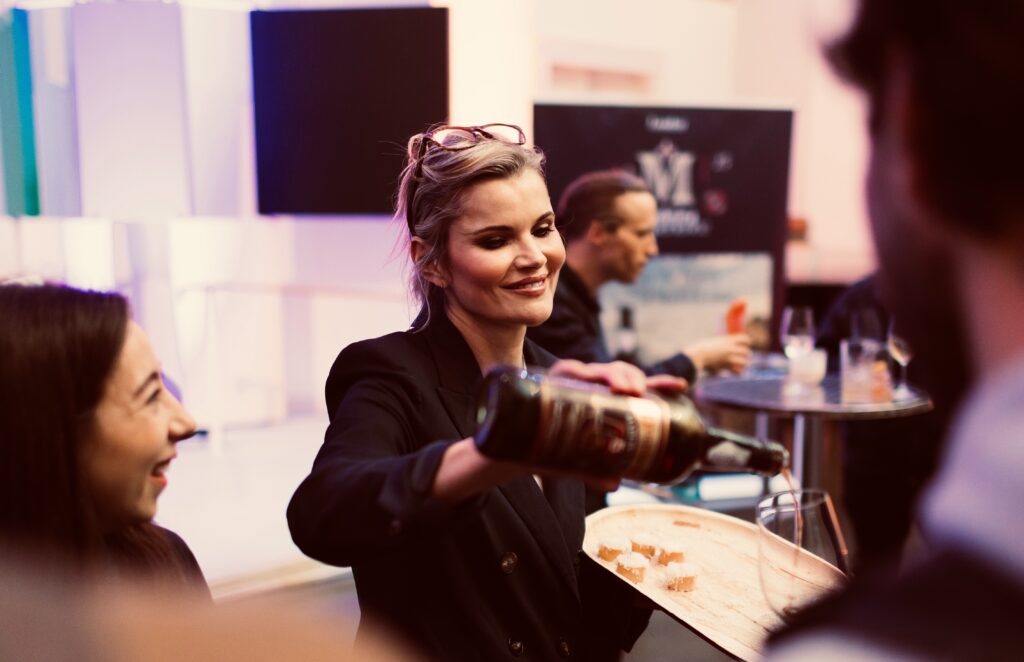
Barbieto Single Harvest Tinta Negra 2008: Jellied quince, spiced pair, citrus and burnt orange marmalade marry rich almond, salted caramel and coffee. Deliciously moist, just-smoked cigar lines an everlasting finish.
Food pairing: Goats cheese stuffed tempura courgette flowers & tempura soft shelled crab.
GRAPE: Sercial: Used for the driest styles, thin-skinned, late ripening, high acid, slow maturing and often responsible for tawny, nutty, lemon and orange noted wines of gorgeous complexity.
Blandy’s Sercial 10 Year Old: Deliciously complex and fragrant with abundant orange zest, honeyed marmalade, coffee, and spiced chocolate. Moreishly bitter walnut skin brings texture; searing acidity – freshness.
Food pairing: Salt cod with parsley, basil and chervil, Comté, Gruyère, dragon rolls.
GRAPE: Verdelho: Medium Dry, low yielding, early ripening, high acid white grape, known to bring sumptuous flavours of caramel and coffee.
Henriques & Henriques Verdelho 15 Year Old: Nutty marzipan, salted toasted almonds, frankincense, burnt toffee and incense. Weighty yet fresh.
Food pairing: Hungarian beef stew, cheese on toast, mushrooms, French onion soup.
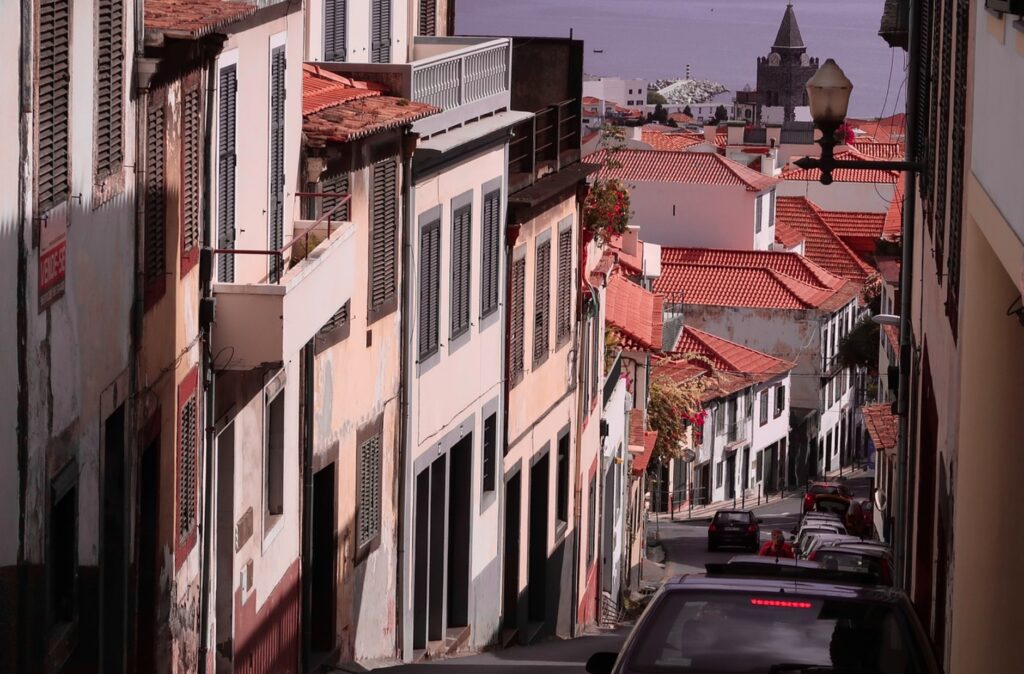
GRAPE: Terrantez: Medium Dry, low yielding, late ripening, thin skinned, susceptible to botrytis and rot. Brings aromatic intensity and full-bodied complexity as well as insanely age-worthy wines. Superb examples exist dating back to the 18th century.
Pereira D’Oliveira Terrantez 1988: Sublimely complex and sensual – marzipan, walnut skin, bitter orange marmalade, roasted salted nuts, coffee, leather and toffee, vanilla spice and old waxed wood. Walnut skin and coffee bring balanced bitterness and searing acidity – juicy freshness. Weighty and sublime.
Food pairing: Salted milk chocolate, ginger syllabub and blue cheeses.
GRAPE: Bual: Medium-Rich. High acid, early-maturing, high yielding, produces wines of balanced sweetness with complex flavours of fig, prune, apple and spiced caramel. Extremely age worthy.
H.M.Borges Boal 10 Year Old Madeira: Tawny coloured and gherkin scented with oily walnut on the mouth, deep dark molasses, coffee grinds, black tea, furniture polish, tangerine and burnt sugar. Salted dates on the finish. The acidity is beautifully lifted. Endless.
Food pairing: Honey roasted pumpkin with a sharp, tart, blue cheese. Gruyere, Roquefort and toasted walnuts. Cheese ploughman’s and piccalilli. Praline cream cake.
‘Bastardo was almost extinct in Madeira for many years. Its recovery is due to Teófilo Canha and his family who in 2004, planted some on family lands in São Jorge. The demand for Bastardo is great – it’s quite important as its unique. It took us quite a long time to figure out how to work with it because it has a very very soft skin and it rots easily. The Barbieto Madeira Bastardo Três Pipas is a blend of 25% 2007, 25% 2009 and 50% 2011 – because by 2011 we had finally learned how to work with it. 2008 didn’t go that well.’
Marianna Pinto, Vinhos Barbieto
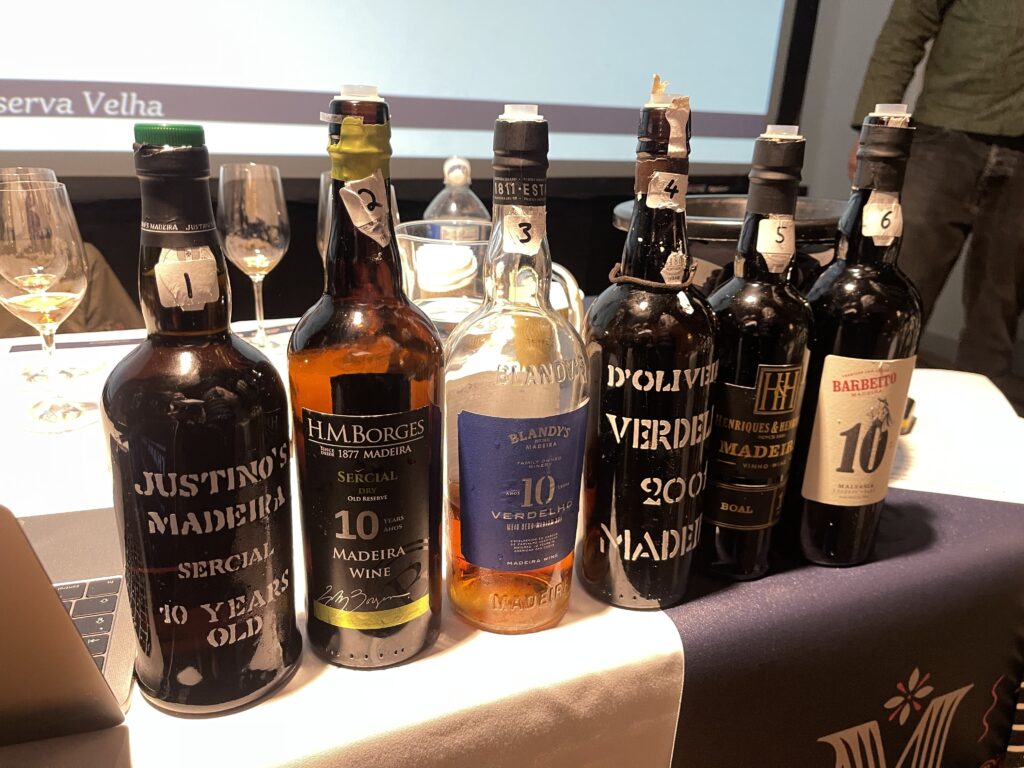
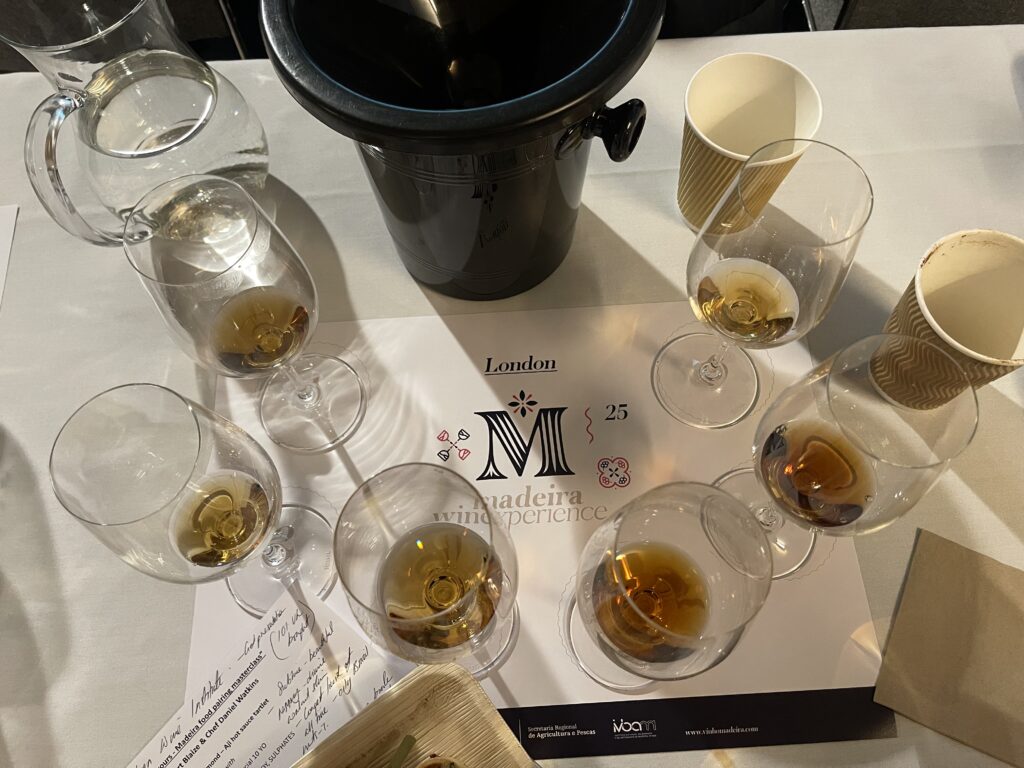
GRAPE: Bastardo: (Trousseau) exists in only miniscule quantities. A low yielding red grape, highly susceptible to oidium and fussy about its surroundings. The flesh of the grape is white, the skin, red. Like Tinta Negra it is possible to make the four types of wine with Bastardo.
Barbieto Madeira Bastardo Três Pipas Old Reserve Medium Dry: Caramel, coffee, prune, fig, dried dates, walnuts and tobacco. Lovely lifted florals – sweet scented ripe lemons and apricot. It has substantial residual sugar but is sublimely balanced by a fresh acidity.
Food pairing: Smoked eel, horseradish and sweet pickled radish.
GRAPE: Malvasia: Rich. Aka Malmsey, named checked in Shakespeare’s Richard III and Love’s Labour’s Lost. Produces intensely layered wines. Buds early, ripens late, allowing plenty of opportunity for delectable sweetness to develop.
Justino’s 10-year-old Malvasia: Richly loaded with burnt toast, dark bitter chocolate, fig, marzipan, coffee, dates and walnut skin – complex, mellow and refined. Smokey church handbags (incense) and mouth-watering acidity. Endlessly layered, beautifully integrated.
Food pairing: Ginger cake and custard with raisons soaked in madeira. Dark chocolate. Stilton.
Madeira classifications:
- Colheita – single vintage wines matured in cask for a minimum of five years.
- Frasqueira: Wines from a single variety and vintage that have been aged in cask for at least 20 years.
- Solera: Wines made using a solera system as used for Sherry.
- Vinho de Canteiro: complex wines that have seen at least two years in wood
- Vinho de Estufagem: Wines aged via heating via estufa – a method that may see noses point upward.
- Rainwater: lighter, medium dry wines.
Sugar levels
- Extra dry: 0 – 15 grams sugar per litre
- Dry: 20 – 50 grams sugar per litre
- Medium dry: 50 – 75 grams sugar per litre
- Medium sweet: 75 – 100 grams sugar per litre
- Sweet: 100 plus grams sugar per litre