Exploring the Roussillon (1) an introduction
Roussillon
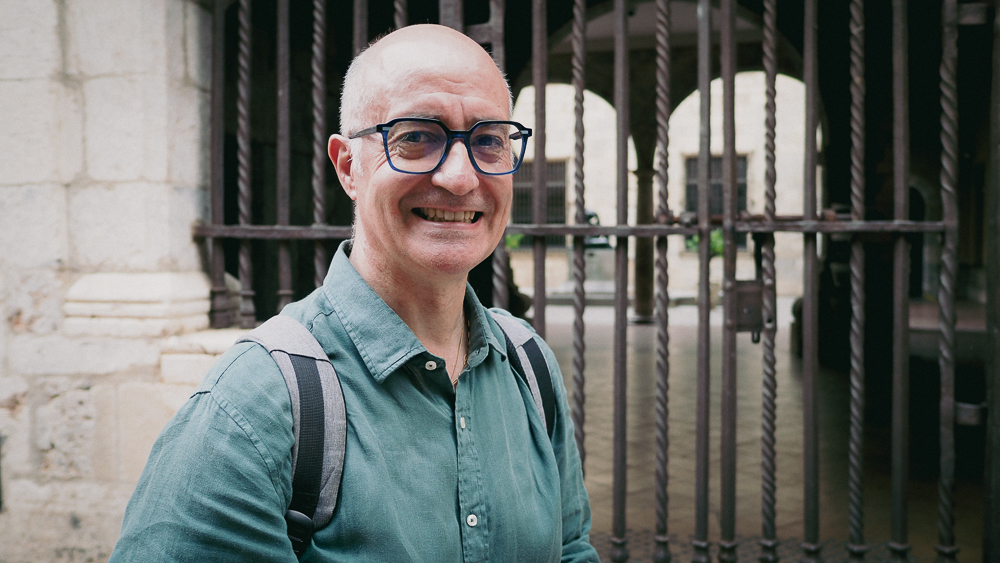
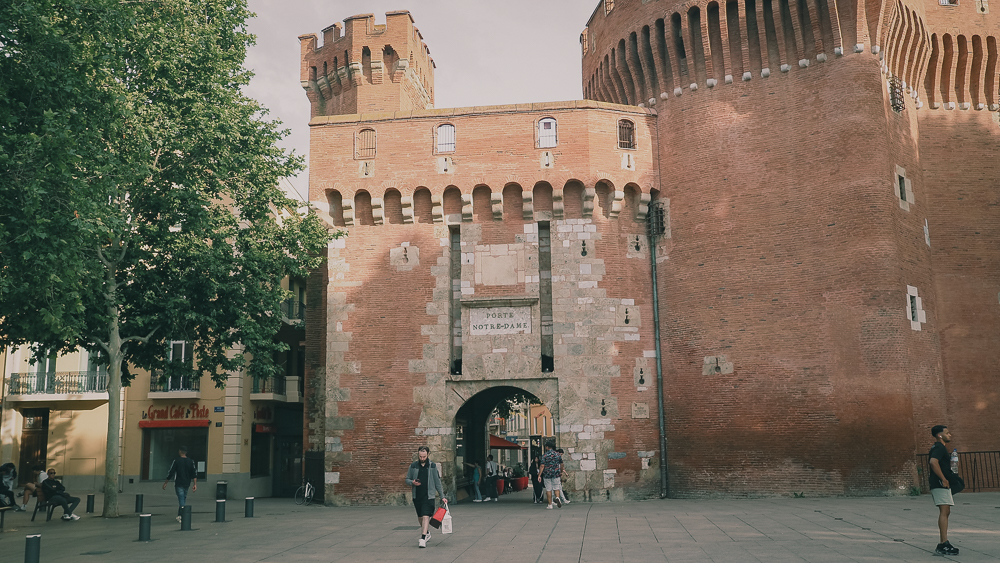
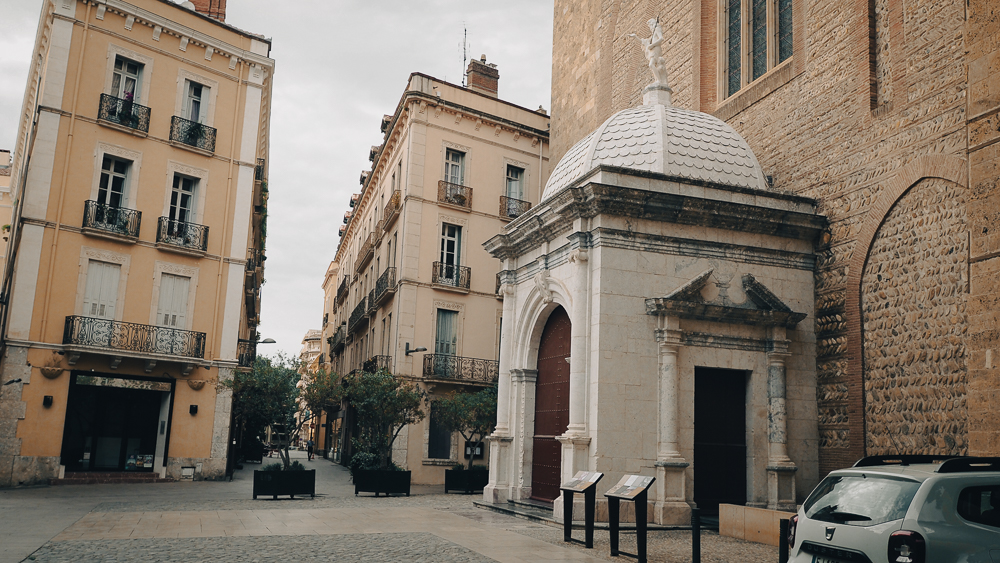
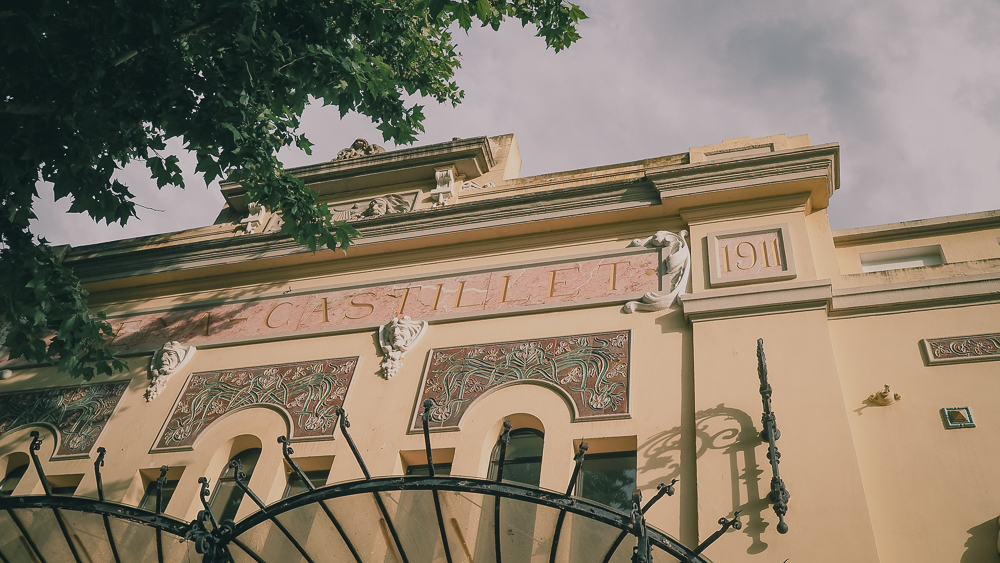
My exploration of the Roussillon began in Perpignan, which is the largest town in the region, and is located right in its centre. I was here with fellow writer Geoffrey Dean to take a deep dive into the region. We were hosted by the excellent Eric Aracil, who is co-director of the interprofessional body here. His family were at one stage winegrowers in the Roussillon, and he knows the region very well.
The identity of Roussillon is strongly Catalan. This is the southernmost corner of France, and it lost this identity a bit when, for a long time, its name was appended to the much larger Languedoc. When you look at the map, and also look at the culture, it makes sense for this to be seen as a separate region, even though many grape varieties are shared, and the climate is quite similar.
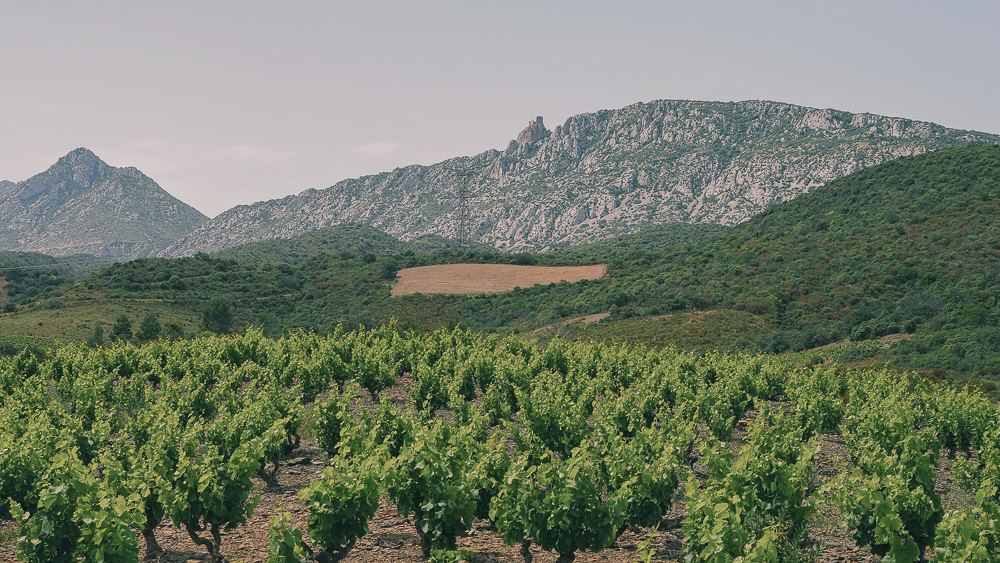
The Roussillon is surrounded on three sides by mountains, and on the other it’s bounded by the sea. There are three valleys running through it (rivers L’Agly, La Têt, Le Tech). So it’s a small amphitheatre of a wine region with some diverse soils.
‘Yields in the Roussillon are some of the lowest in the world,’ says Aracil. ‘But in terms of soils and terroirs, it’s one of the best [regions in] the world.’
Back in antiquity, this region was all about Muscat, before the red grapes arrived from Spain. And Muscat is still an important theme here. The fortified Vin Doux Naturels of the Roussillon are a gem. I tasted some lovely examples, and they have their own unique style, and come in different forms. Of course, being sweet and alcoholic these hardly fit with modern wine consumption patterns, and while there’s no real danger of these being lost, they are certainly much less important than they used to be (they now represent 20% of production).
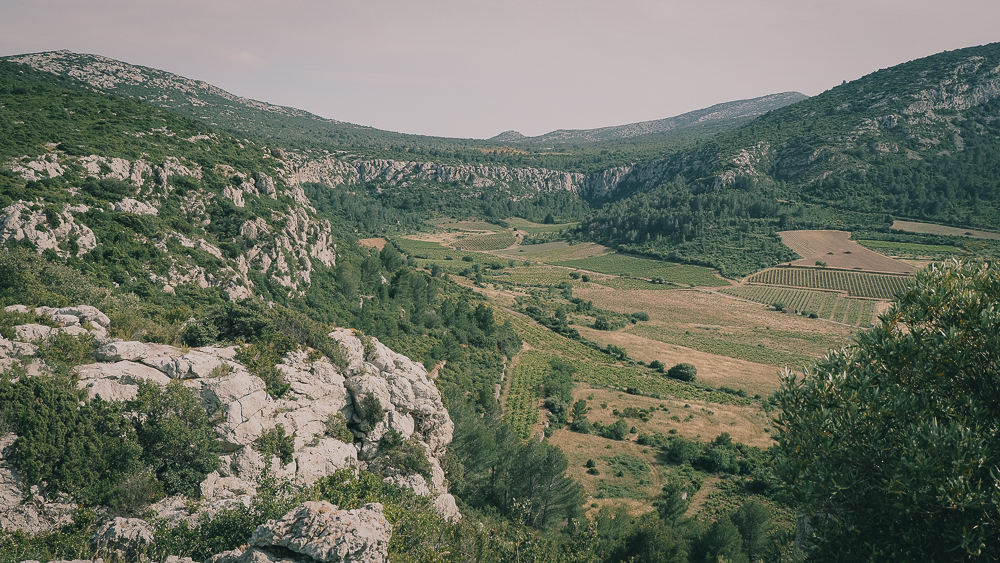
Appending the Roussillon to the Languedoc was seen as a good idea by the French government, at a time when there was a big demand for lots of wine. They wanted production, but there’s a limit to how much you can make from this region because it is so dry, and most of the vineyards are unirrigated.
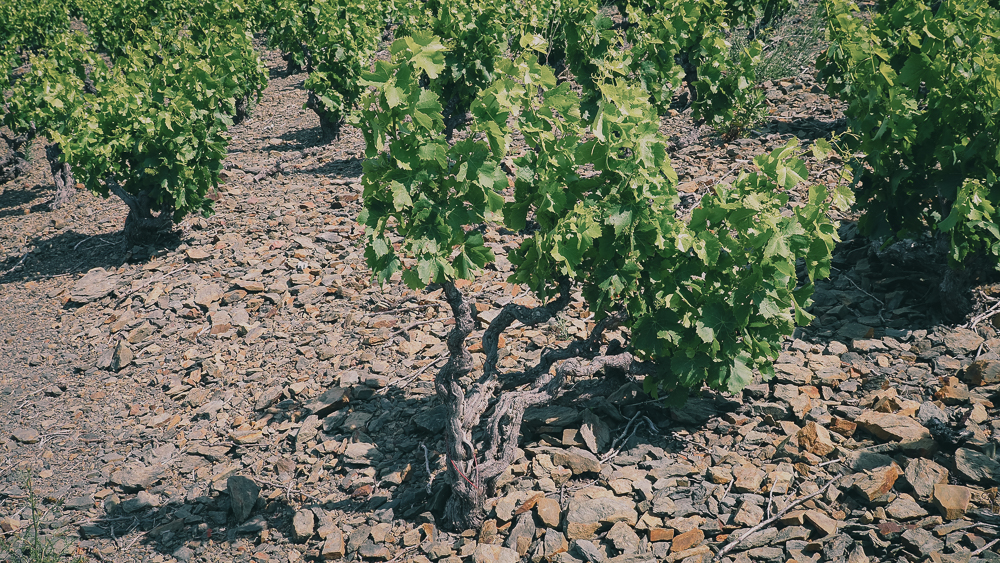
Of late, though, the Roussillon has broken away from the quantity approach to try to target quality. The vineyard area is down, as is the amount of wine. Less Vin Doux Naturel is being made, and as well as dry reds there are now more dry whites being made (11% of production, up from 3% a couple of decades ago).
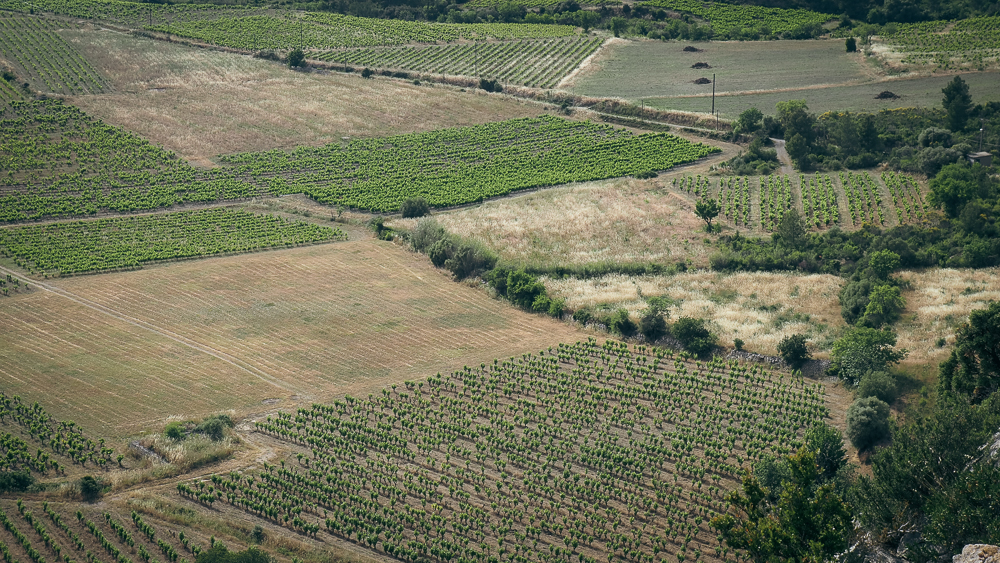
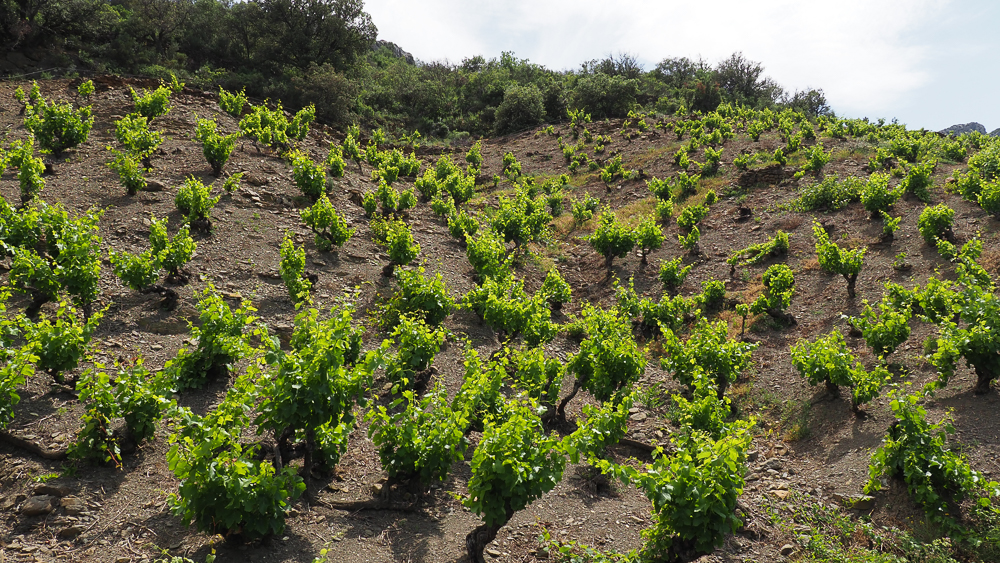
The lack of water here, particularly bad in the last few years, isn’t something entirely new. Back in the 1920s there was a seven year drought. It seems to be cyclical. The 10 year average yields are 30 hl/hectare, and in 2024 it was 18 hl/hectare. To counter the dry conditions, people are using old canals for irrigation water, and there’s great interest in regenerative hydrology approaches that look to keep the little water that does fall on the land. Coupled to this is the development of agroforestry, which involves planting trees in and around vineyards to increase biodiversity and moderate the climate.
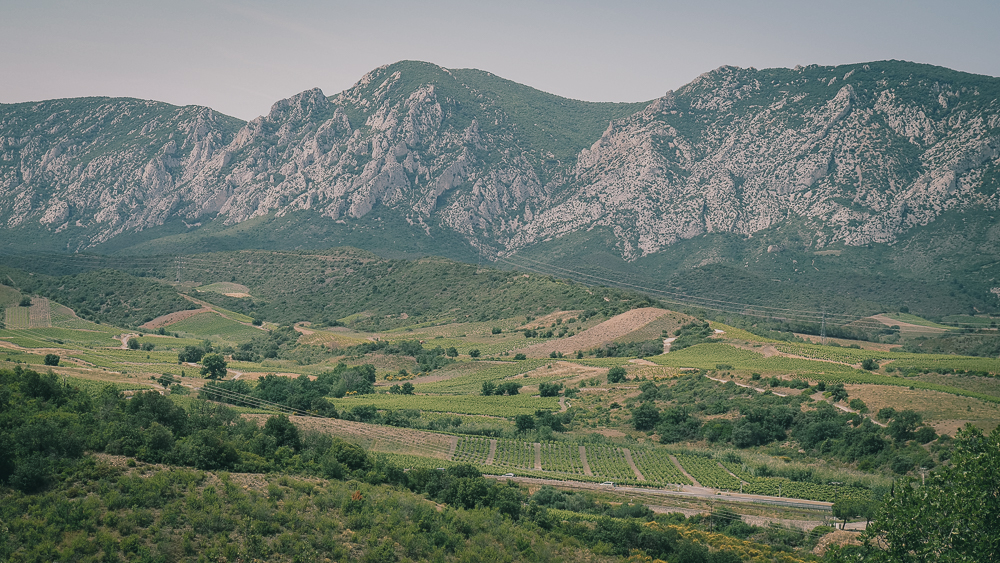
The new Roussillon that is emerging is all about terroir wines, made from interesting local grape varieties, and because of the varied terroirs here, there is a natural diversity. Helping to drive this change has been an influx of newcomers, and not just foreigners, but also other French producers. Notable here have been incursions from Chapoutier in the Rhône, and Gérard Bertrand and Jean-Claude Mas from the Languedoc. And 32% of the vineyard area is now certified organic, which is substantial.
THE ROUSSILLON
- Introduction
- Cave Dom Brial
- Domaine Bila-Haut (Chapoutier)
- Domaine la Pertuisane
- Domaine Torredemer Mangin
- Château Lauriga
- Château Nadal Hainaut
- Domaine Lafage
- Jeff Carrel