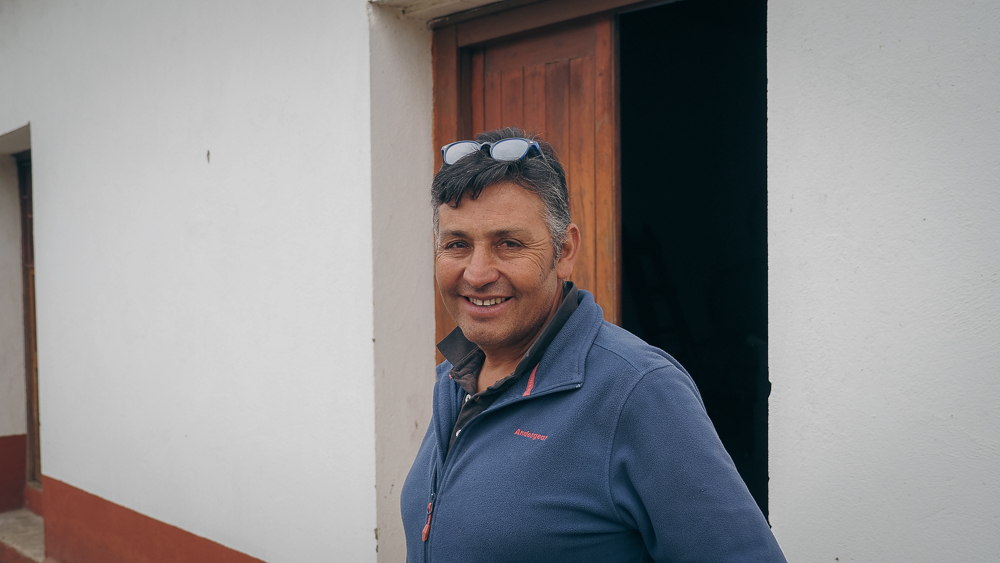
Visiting Renán Cancino of Huaso de Sauzal, making ultratraditional wines from Maule, Chile
Sauzal is a small village in the northern part of Cauquenes, in the Maule region of Chile, and it’s where viticulturist Renan Cancino makes authentic, traditional wines from a 5 hectare family vineyard.
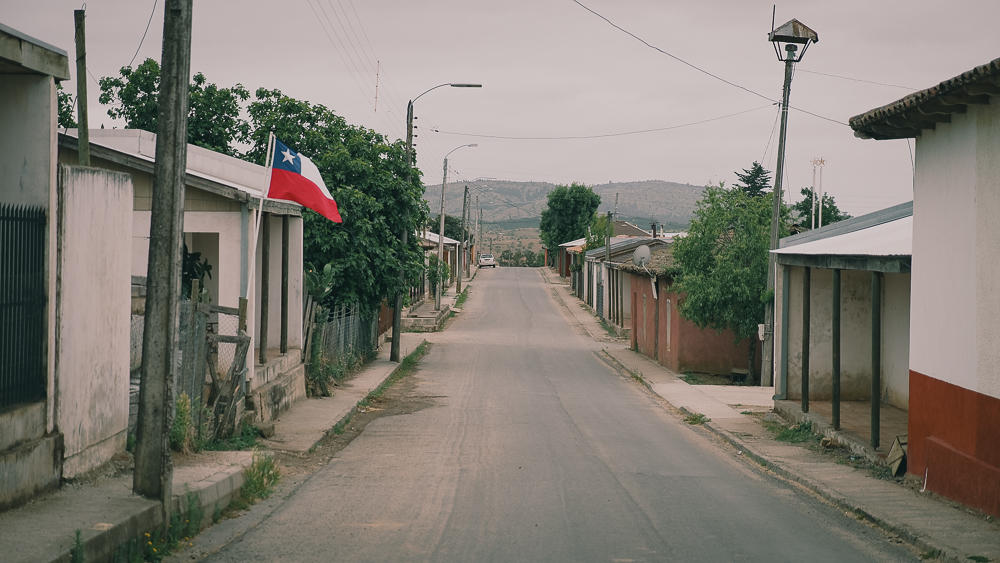
Of the 85 houses in the village, all but 10 were flattened by the 2010 earthquake.
The call to tradition is strong here.
Viticulture and winemaking began here with the Jesuits. The town of Sauzal was founded in 1790, but there are records from the church showing that winemaking predated the town by a century, and was active in 1682.
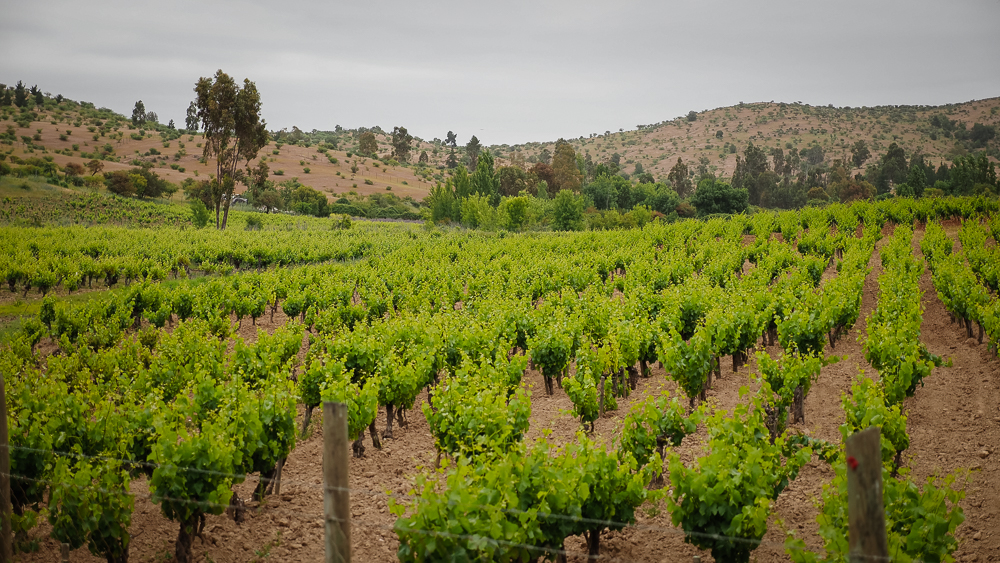
The farming here is the way it was done then: dry farmed bush vines reliant on the rainfall that mostly falls outside the growing season. To preserve this, they work the soil with horses (needed because they are farming close-planted bush vines) just at the end of winter when most of the rain has already fallen.
They remove the soil from around the base of the vines manually, then plough down 10 cm turning the soil. It’s not hot now, so moisture isn’t lost. The idea here is that this turned soil stops the water deeper down from being lost, first by eliminating weeds which would transpire the water as they grow, but also by acting as a sort of mulch over the rest of the soil.
The only thing that’s used in the vineyard is elemental sulfur to protect against powdery mildew. País needs spraying a couple of times, but the more susceptible Carignan needs six sprays. Garnacha is somewhere in between. These are the three varieties that Renan grows. Most of the vineyard is País, though.
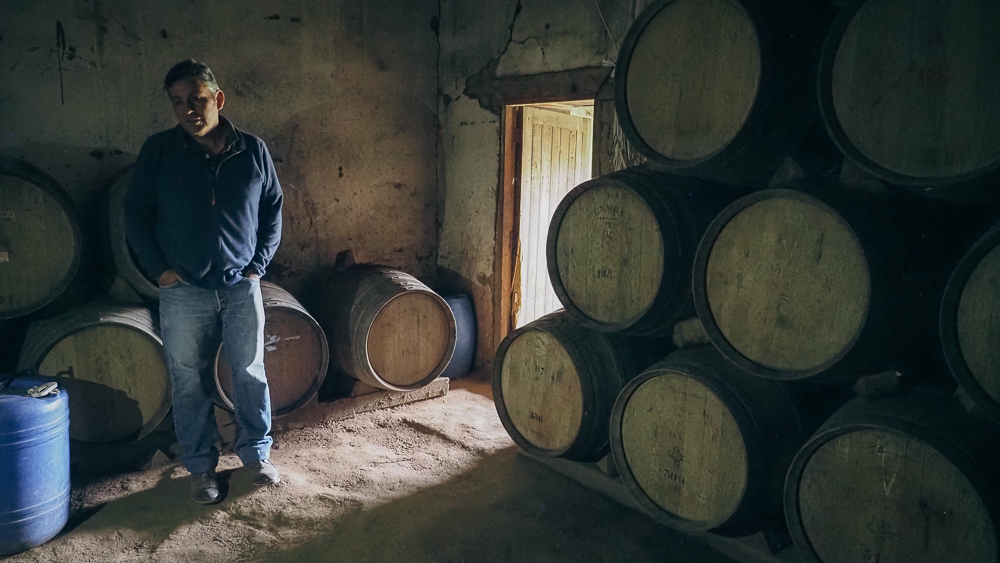
There’s no need for fertilization because the sheep that are used to graze the vineyard outside of the growing season add natural fertility.
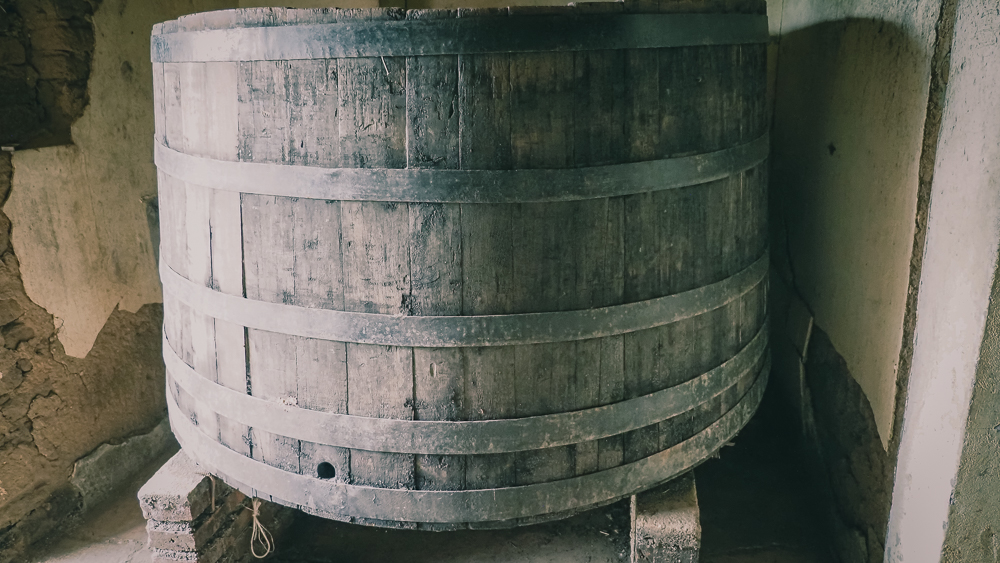
Fermentation takes place in Chilean oak vats. The grapes are destemmed by hand using a screen of bamboo slices, called a zaranda. After two or three days, alcoholic fermentation begins spontaneously. As fermentation progresses, the temperature of the cap rises, so initially, the grapes are punched down manually once a day, and after a couple of days, twice a day. This helps regulate the cap temperature and ensures a very stable fermentation.
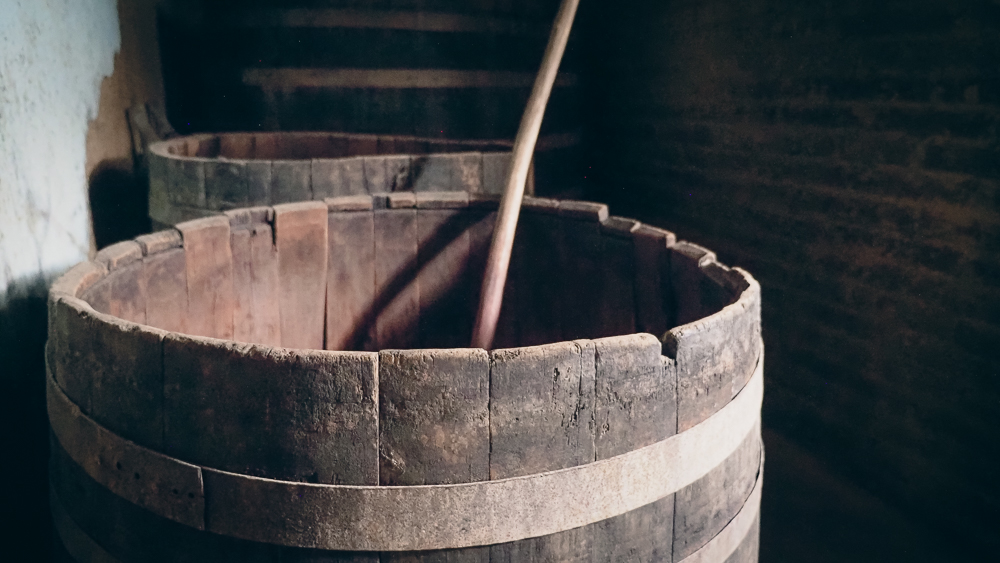
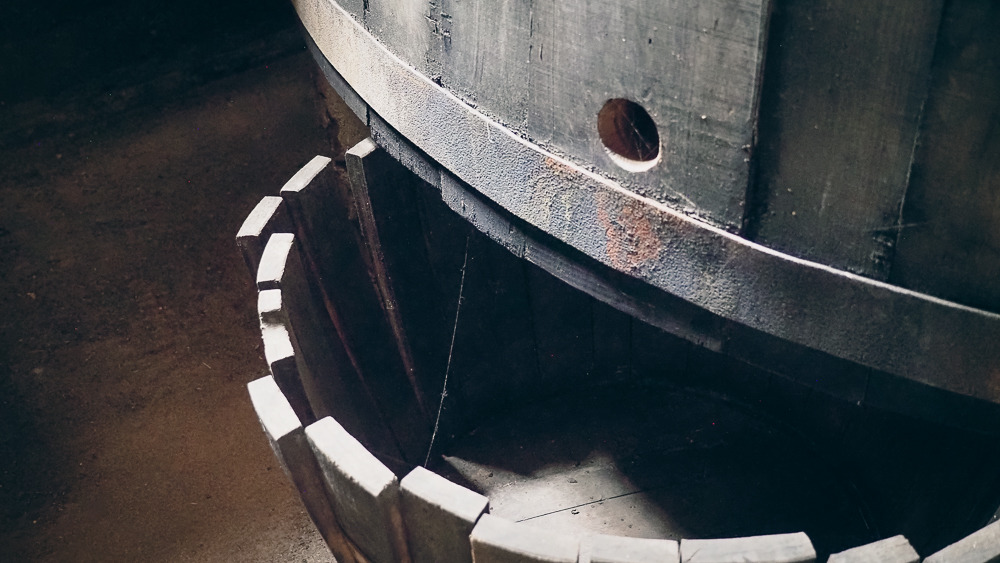
After 20 to 21 days, the wine is left to settle before being transferred to old wooden barrels. Rénan decided to show me only back vintages.
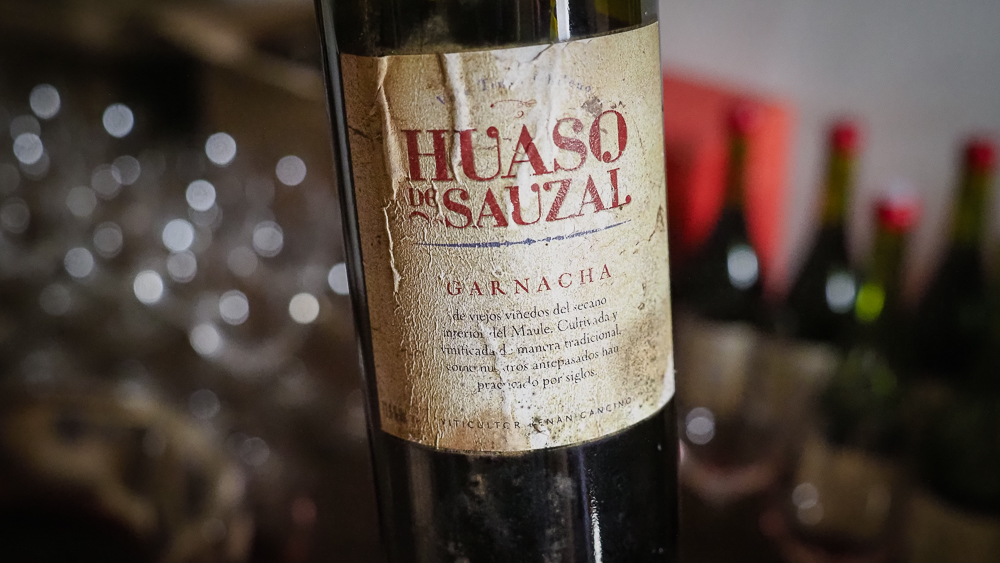
Huaso de Sauzal Garnacha 2012 Maule, Chile
Red cherries, pepper, mint and spice on the nose. There’s still a lot of fruit here: cherries and raspberries. This is evolving beautifully with a hint of herbiness and some lovely taut red fruit character. So fresh and still has nice structure, with good acidity. 95/100
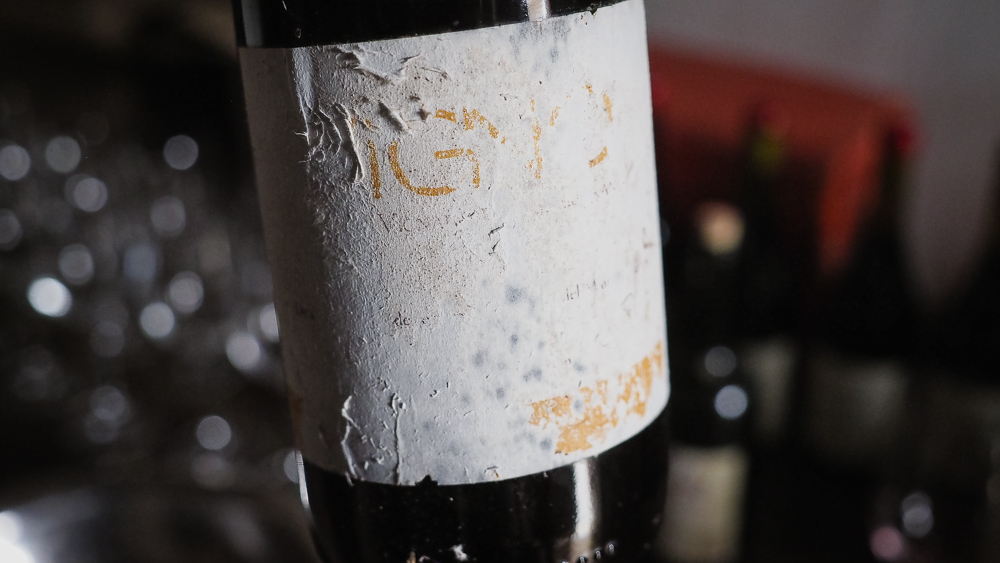
Huaso de Sauzal Vigno Carignan 2012 Maule, Chile
Juicy and bright with fresh raspberry and redcurrant fruit, as well as some nice green hints and keen acidity. Taut and linear with nice precision, showing good focus. 93/100
Huaso de Sauzal Pais Chilena 2012 Maule, Chile
Disinctive aromatics of pepper, iron, blood as well as fruit. The palate shows lovely structure and acidity with a hint of mint. Juicy and vivid with lovely fruit, and notes of red cherries and redcurrants. Pure and fine, and evolving beautifully showing precision. 95/100