Canada’s Okanagan and Similkameen Valleys (10) Corcelettes
Website: https://www.corceletteswine.ca/
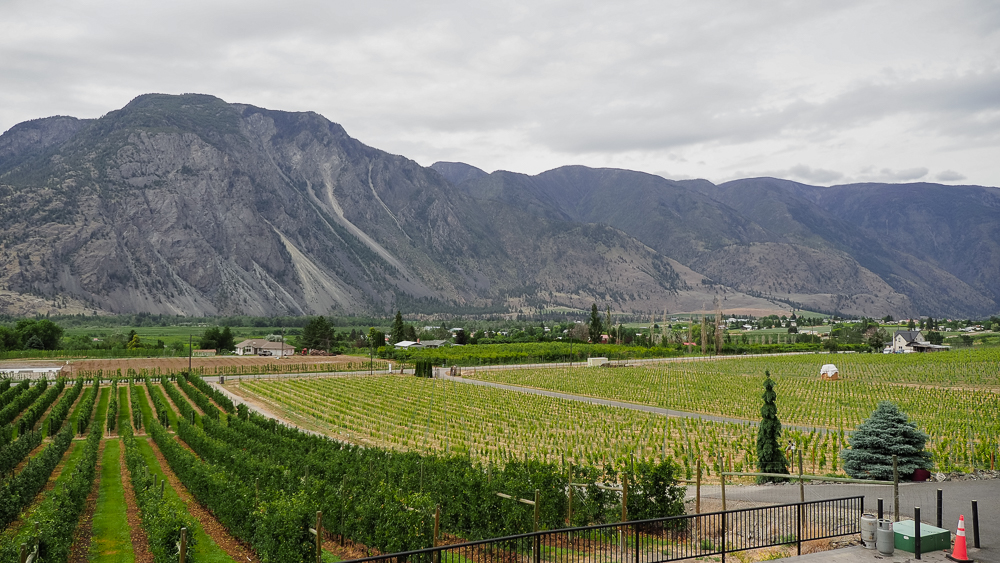
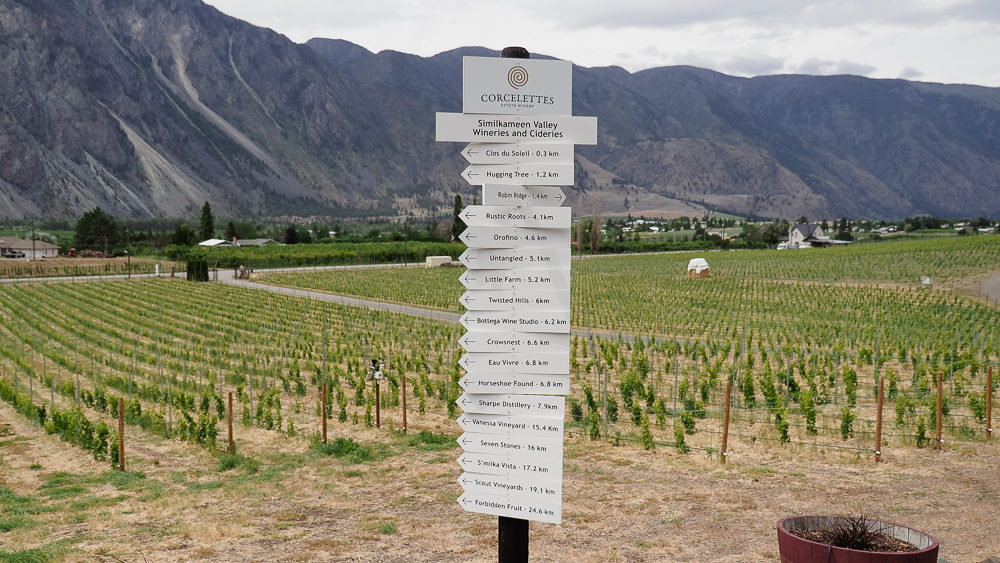
Corcelettes is one of the leading producers in the Similkameen Valley, which is a small but interesting valley that leads off from the south of the Okanagan. The scenery is a little wilder here, and the climate is quite warm, but edgy. It’s easy to see why the Similkameen appealed to two families from very different backgrounds who both moved here independently. And in the process, they created the opportunity for their kids to meet and start a significant winery.
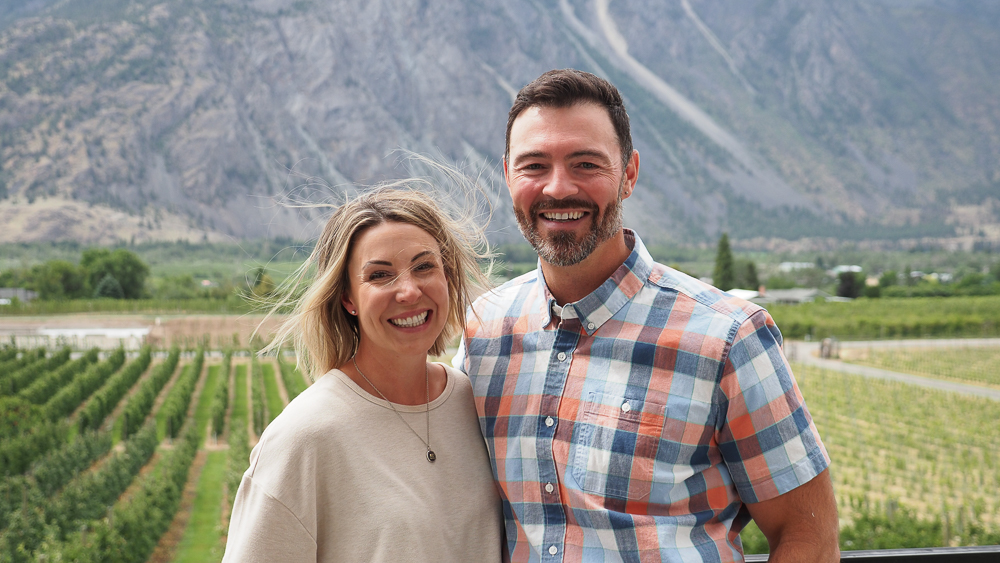
I visted with the owners, Charlie and Jesce Baessler at their vineyard in Keremeos.
Corcelettes is the name of Charlie’s family farm in Switzerland. This was a dynamic agricultural operation with lots of dairy, and his parents built it up from the ground up in the 1970s. But the family farm got broken up, and his parents emigrated to Manitoba in 1991, where they raised rare breed cattle. ‘My father fell in love with the Canadian ag dream,’ he says. Later, they relocated to Cawston in the Similkameen Valley and started farming five acres, with some vines in the mix. Charlie joined them after his graduation and began farming.
His wife Jesce comes from the far north of Canada, 180 miles south of the north Pole in Arctic Canada. Her family ran fuel flights in northern communities, and then this company became an air medivac service. When she was 19, in 2006, she did a trip along the Canadian coast, and on her way through she drove through the Similkameen with her mum. Her mother loved it, and a year later she bought some land and planted a vineyard.
Charlie and Jesce met and started dating in 2010. Soon after, they made their first barrel of wine together.
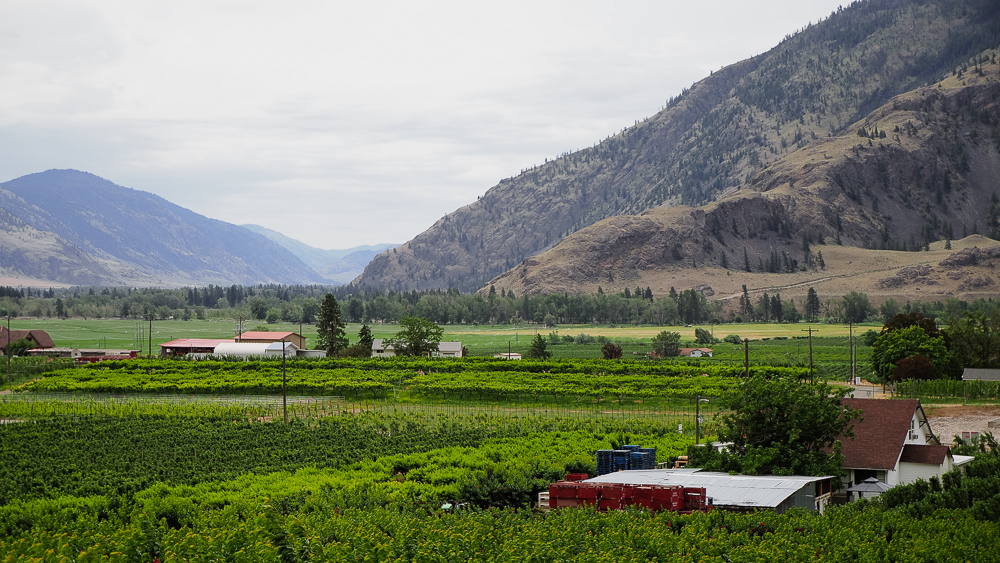
What is now Corcelettes was a Hudson’s Bay trading post in the late 19th century, and before Charlie and Jesce bought it, it was called Herder Winery & Vineyards. Charlie’s first winemaking job was in 2007, when he began working for Laurence Herder. When this place was for sale, Charlie had already designed a spreadsheet with a business plan, and with financial backers they put their bid together. It had been foreclosed in 2014, and they were the only bidders. It needed a lot of work.
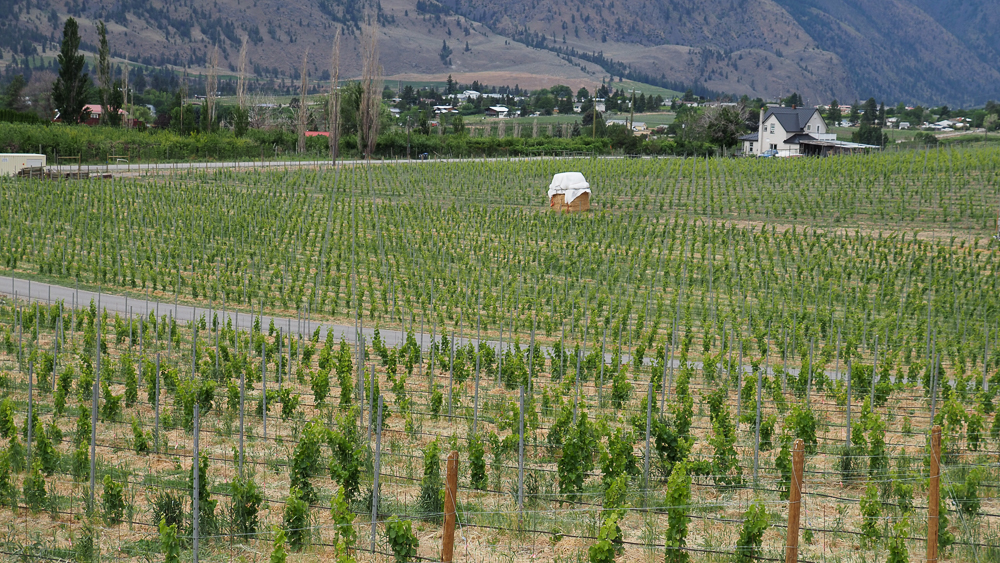
When they bought it there were 14 acres, with 6 planted. And they then started buying more properties round here. They now have five properties, totalling 41 acres.
They have recently done quite a bit of replanting. The freeze of December 2022 resulted in total crop loss, with all the above-ground parts of the vineyard killed. They rehabbed the vines and then the February 2024 winter event made them realise that they needed to replant.
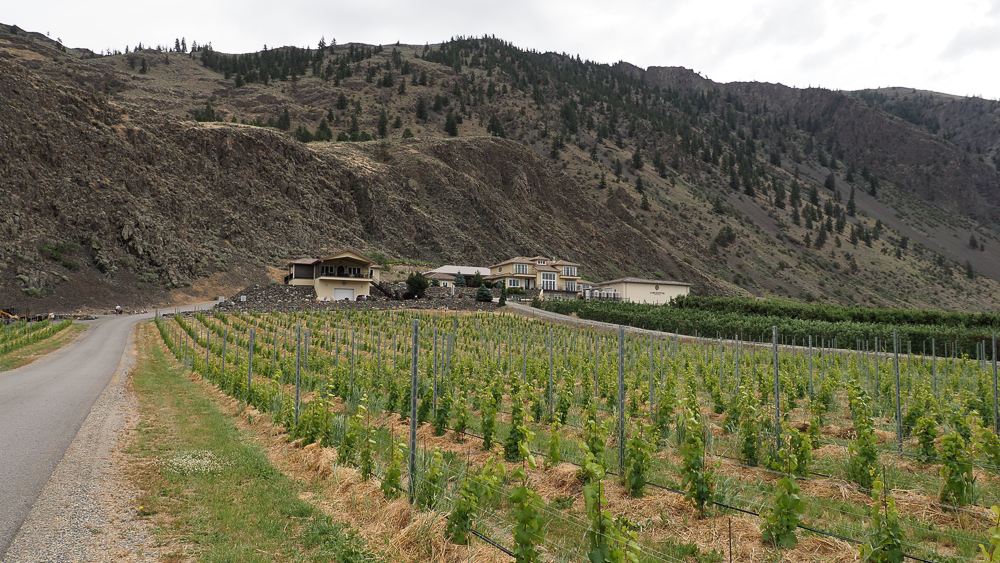
They had to ask, is this sustainable? They replanted 80%, with a similar varietal portfolio, but they moved things around and redrew the maps of their five different properties. The late ripening reds have gone to the stoniest, steepest sites. They have new trellising and irrigation systems.
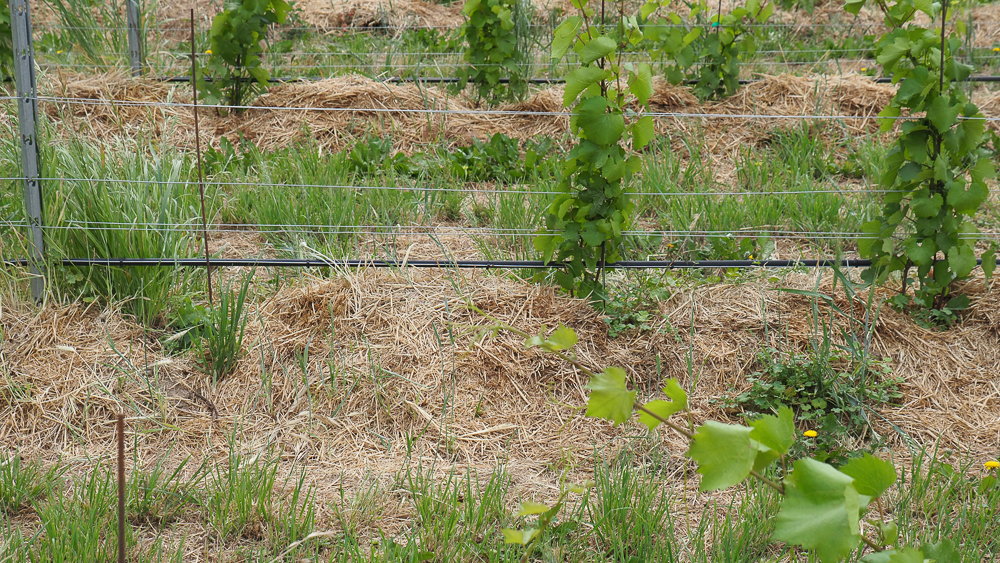
They use straw mulching, which is a good weed suppressant, and reduces water loss. Water retention on the straw mulched blocks is much better. Their replants were with bush vines, but on a wire. The head-trained systems means they can bury next year’s fruiting canes under the mulch. On the coldest weather event last winter, -14 C, the vines saw a lowest temperature of -4 C. This 10 C difference could be critical if temperatures dropped lower.
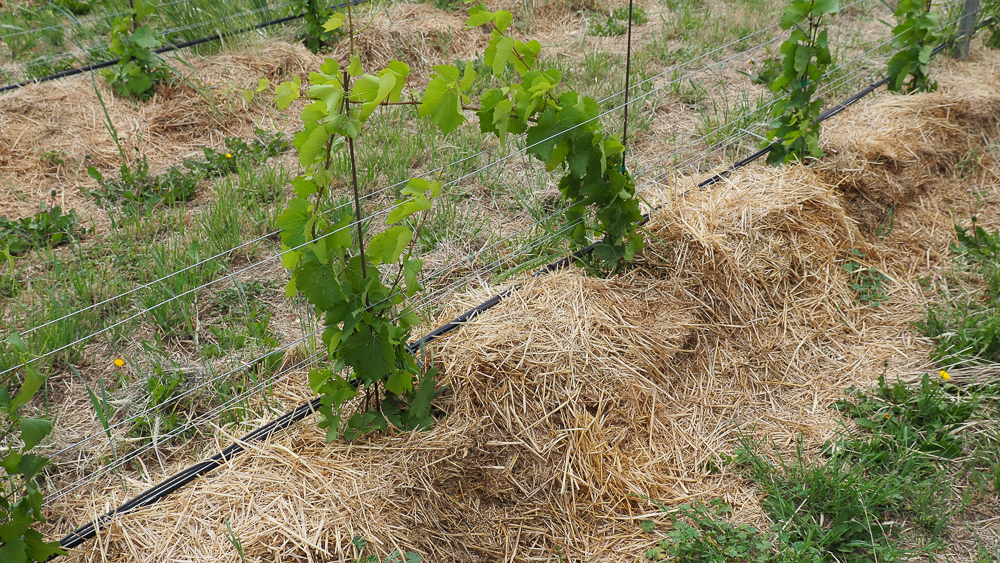
To do this straw mulching takes 10 bales per acre for the first application, and a bale costs $120. With application it’s $2500 per acre. In subsequent years the application rate will be 2-3 bales per acre. They have a custom-built spreader, based on a dairy feeder.
They are also doing a geotextile trial on an acre. ‘We are trying it all,’ says Charlie. ‘We are really excited to be farming again. Our hand has been forced, and it’s back to the drawing board. I don’t want to assume the same risk.’
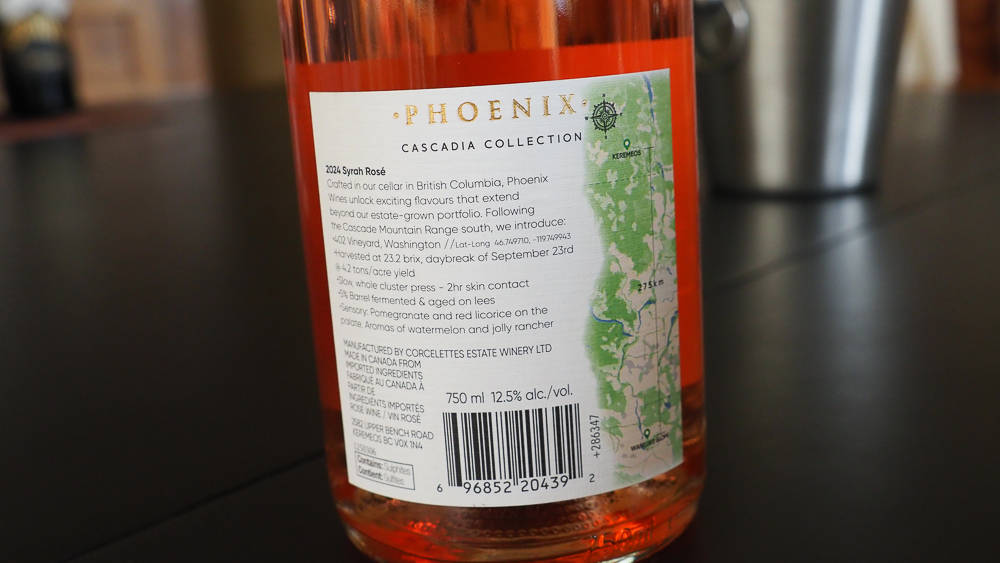
With the replacement wines from Washington State, originally the rule was that you had to sell the wine through in a year, so this precluded doing reds. They later changed this to 36 months. So they made just white and rosé the first time. And you can’t use the AVA if the wine isn’t fermented there.
Their sales are 60% DTC, then 25% restaurants and 15% licensee retail.
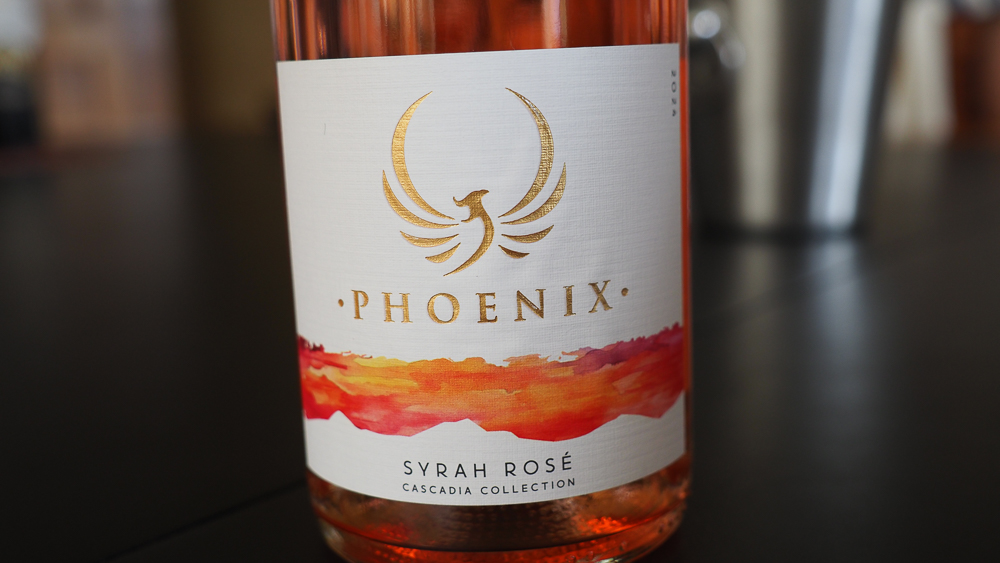
Phoenix Syrah Rosé Cascadia Collection 2024 Wahluke Slopes, Washington State
12.5% alcohol. Bright, juicy and fruity with nice tart cherry and raspberry fruit, with a sappy edge to the fruit. This is really expressive. 90/100 ($24)
Phoenix Sauvignon Blanc 2024 Wahluke Slopes, Washington State
Three different yeast strains. Mainly steel, but a couple of leesy barrels used. This is nice and juicy with sweet pear and cherries with a bit of chalkiness, and nice citrus brightness. This is nicely weighted and fresh with lovely fruit, and lots of drinkability. 88/100
Phoenix Chardonnay Cascadia Collection 2024 Washington State
13% alcohol. 85% stainless steel, 15% concrete. This is bright and juicy with nice primary pear fruit, with some bright citrus character. It’s fruit-driven with nice pure fruit, and a bit of grapey richness. Fruity and pure and very primary, with nice purity. 90/100
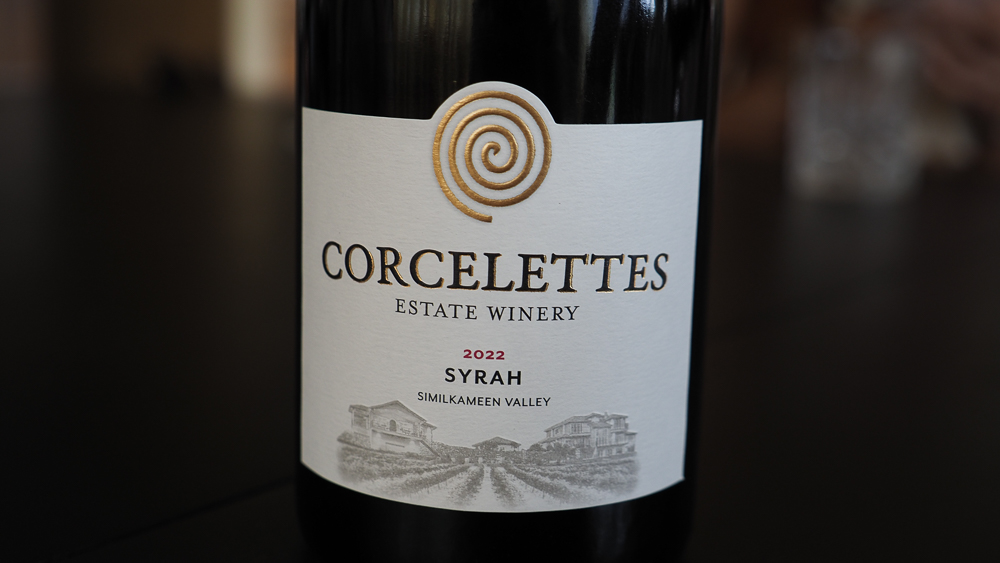
Corcelettes Syrah 2022 Similkameen Valley, Canada
13.9% alcohol. Viognier skins used at 5% in the ferment. Wonderful aromatics here: floral, a bit pepper, sweet black cherry. The palate has richness and ripeness but it’s also nervy, peppery and precise. There’s a hint of olive and cured meat. This has amazing brightness but also depth. This is quite brilliant with a wide dynamic range, starting opulent but finishing peppery and vital. 95/100 ($37)
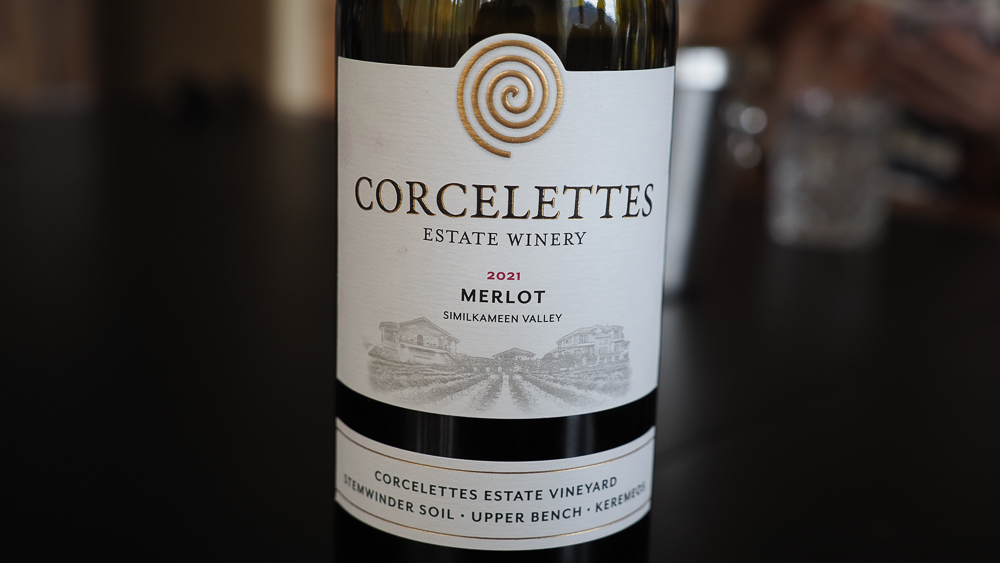
Corcelettes Merlot 2021 Similkameen Valley, Canada
14.4% alcohol. Six vineyard blocks, three different clones. This has lovely pure, vivid fruit with nice structure to the fleshy blackberry and blackcurrant fruit. It’s ripe and generous but there’s also lovely freshness and chalky, slightly gravelly structure. Such a beautiful expression of the grape variety. 94/100
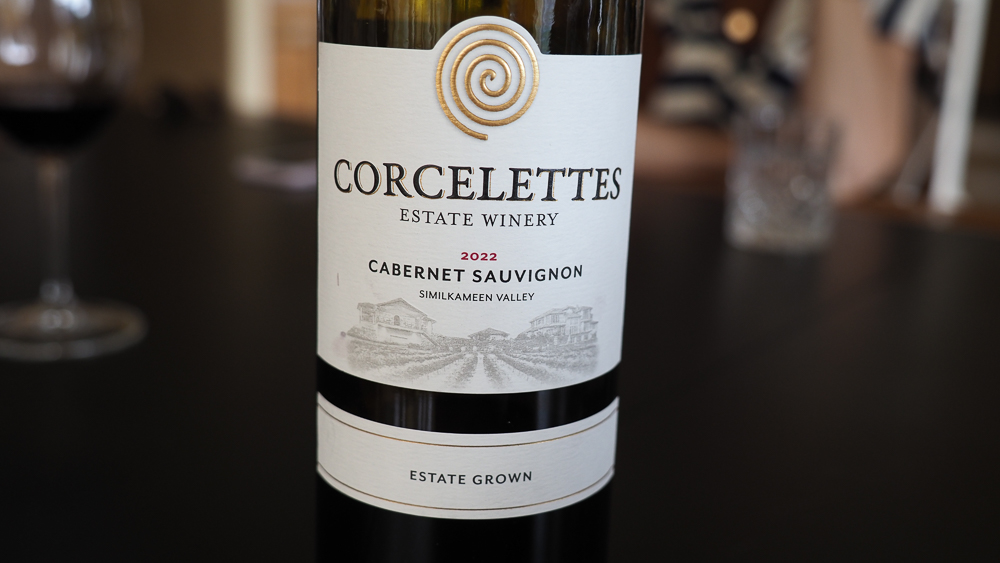
Corcelettes Cabernet Sauvignon 2022 Similkameen Valley, Canada
14.1% alcohol. They have to work hard with Cabernet here, to get it ripe, but this has worked really well. This has lovely dense blackcurrant fruit with some nice gravelly tannic structure underneath it. Nicely structured, with some firmness, but also really appealing fruit. Focused and quite intense, finishes dry. Superb fruit purity and concentration here. 94/100
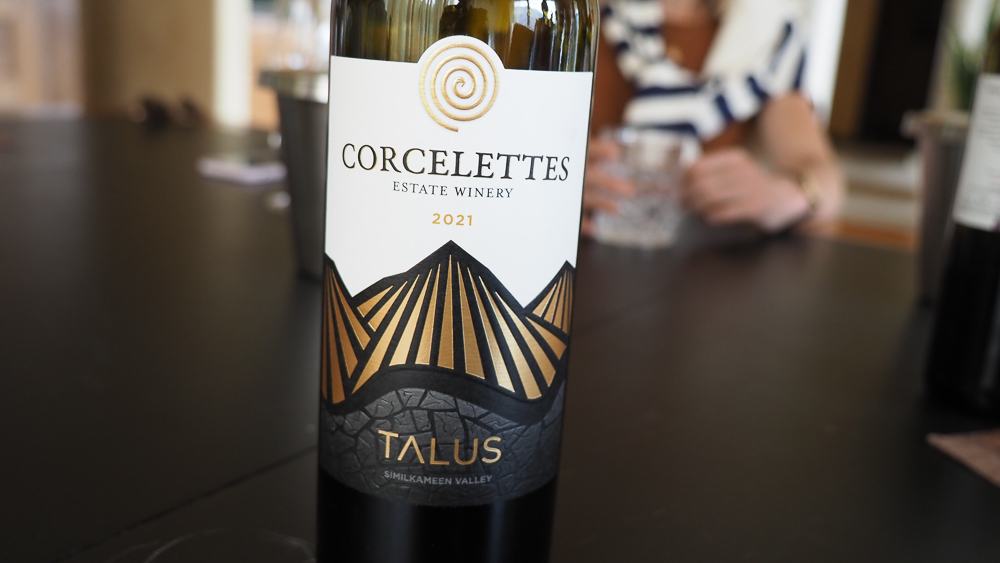
Corcelettes Talus 2021 Similkameen Valley, Canada
14.2% alcohol. 40% Merlot, 35% Cabernet Sauvignon, 23% Cabernet Franc, 1% Malbec, 1% Petit Verdot. This is a very refined Bordeaux blend with grippy structure, some saltiness, a touch of dusty, slaty character and sleek, elegant blackcurrant and berry fruit. Beautifully proportioned with a combination of sweet fruit, sleek texture, and then some drying tannins providing the bones. Oak is well judged. So stylish. 95/100