
I visit Champagne Drappier who have just released a remarkable new prestige cuvée aged in wooden eggs called Éclose
Things take time in Champagne. And if you want to launch a new prestige cuvée, then things can take a very long time. And in the case of Drappier’s new wine, it’s taken 16 years from the conception to the launch. It was telling that Michel Drappier found it hard to say the name of the new wine because he’s been so used to not saying it, keeping it a secret, even though he’s been living with the project for so long.
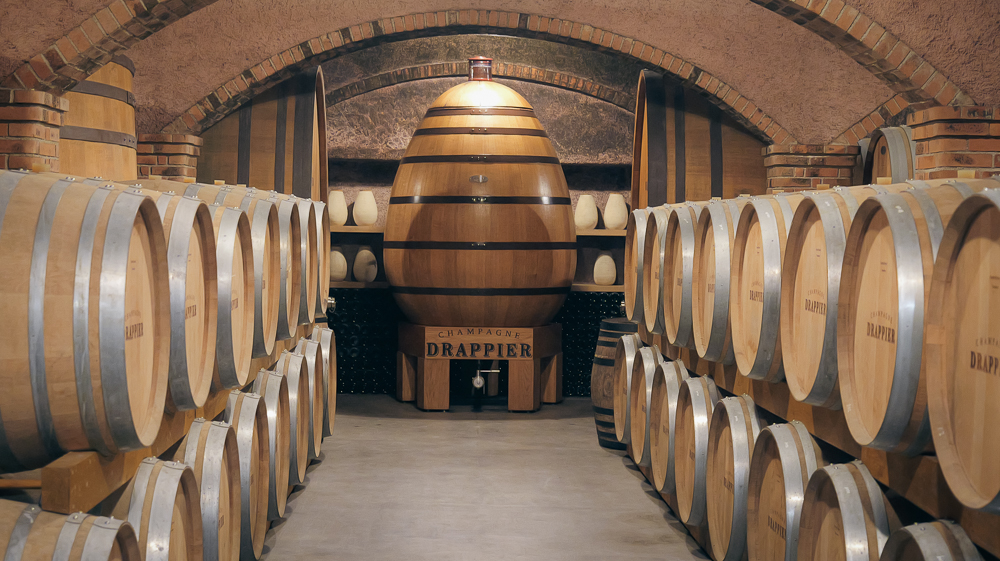
So what is it? The new Drappier prestige cuvée is based around the idea of an egg, and in this case the egg is made of wood. It’s a Taransaud Ovum. They first got this vessel in 2010, and this iteration was egg-shaped but the curved staves were held in place by metal hoops, as is common in barrel manufacture.
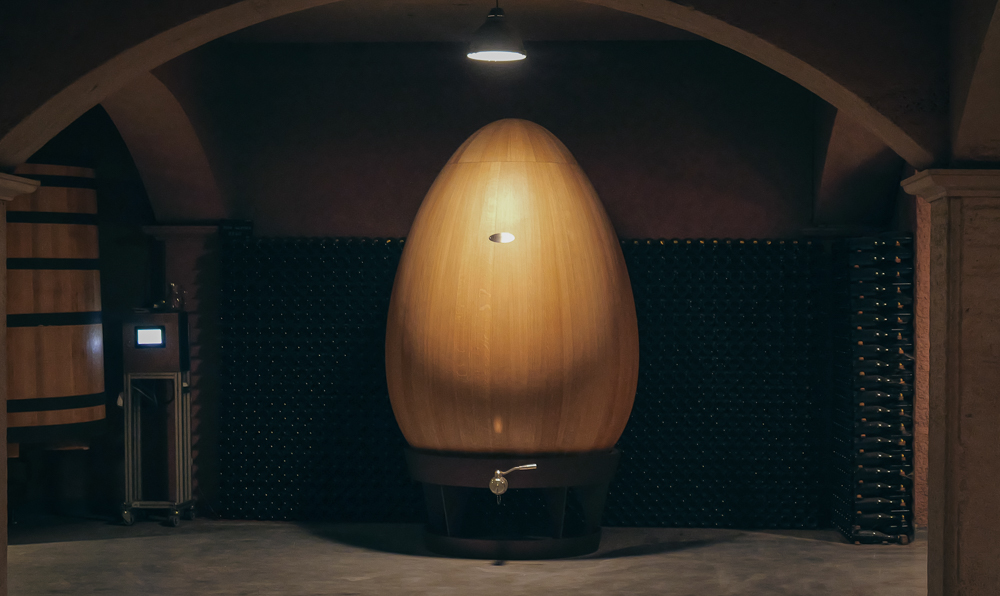
The second version they got was more revolutionary. It had a smooth surface, and to holp the staves in close apposition a series of metal wires ran through the inside of the staves, and were adjusted to optimal tension from inside.
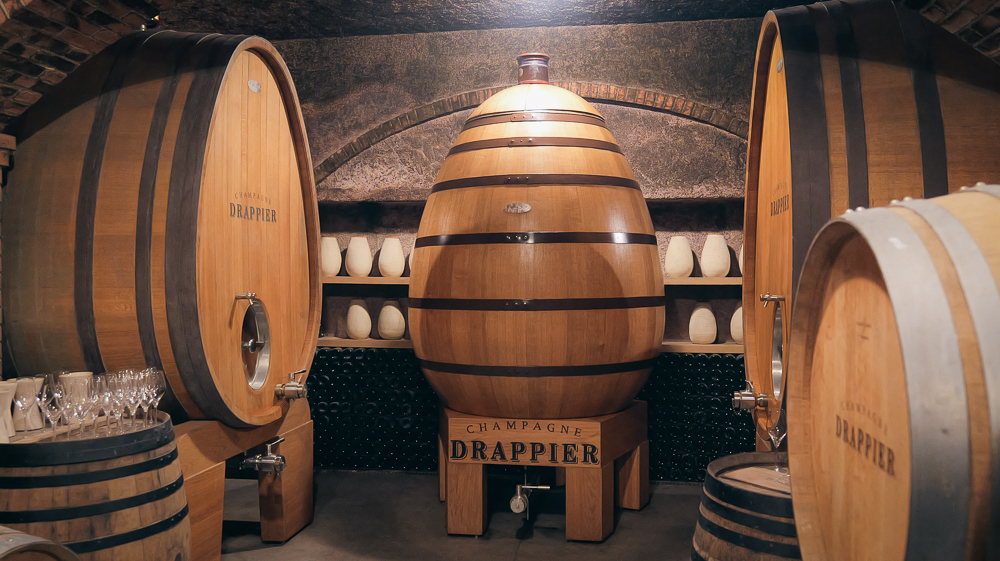
They began by fermenting base wine from the Sendrée vineyard in the first egg in 2010. This was interesting, but with the next good vintage, 2012, they used the egg but only after alcoholic fermentation. They then transferred the wine to the ovum for malolactic fermentation with a good dollop of fine lees, and left it there for three years.
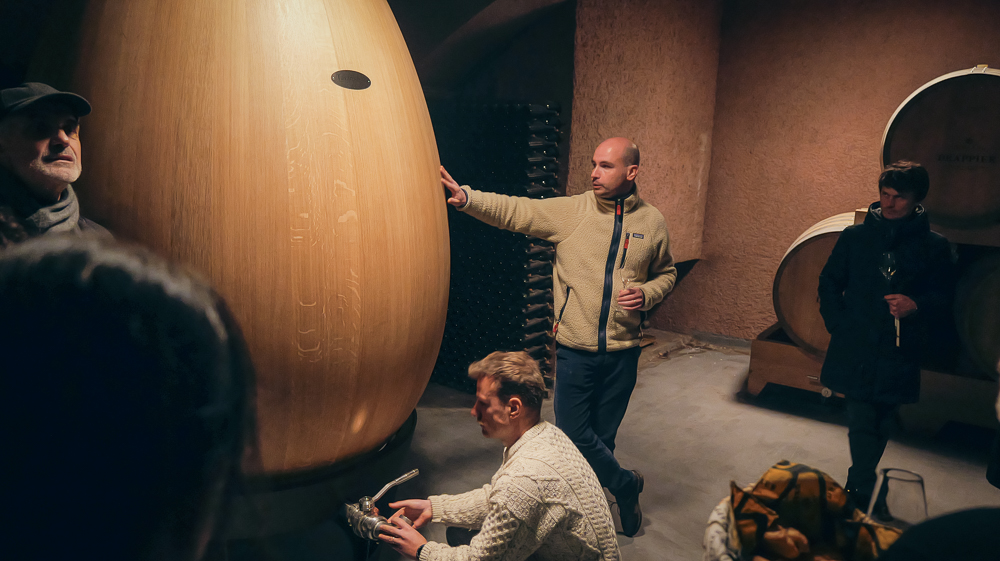
Michel explains that the idea behind the egg is that its shape keeps the lees in suspension in a nice way as the wine ages. There’s also some influence from the oak. After three years, the base wine is ready for its second fermentation, which takes place under cork, sealed with an agrafe.
The ovum holds 2500 litres, and this results in 3000 bottles. The plan is to make the wine every three years, clearly dependent on vintage conditions, and they already have the second ovum (technically, it is the third, because the second developed problems and went back to Taransaud). But this means the first will be retired, because it has lost its oak influence, which they feel is important for this base wine.
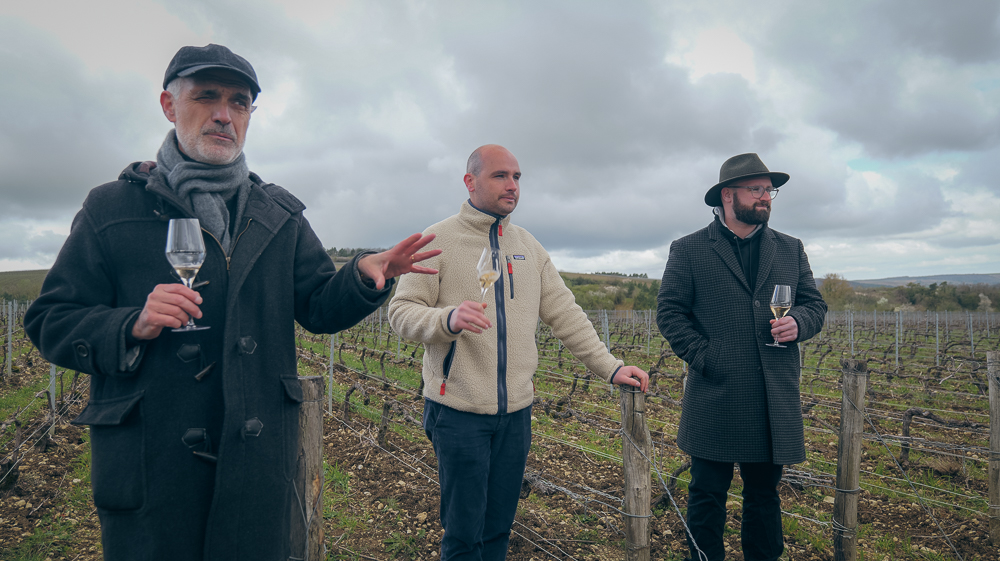
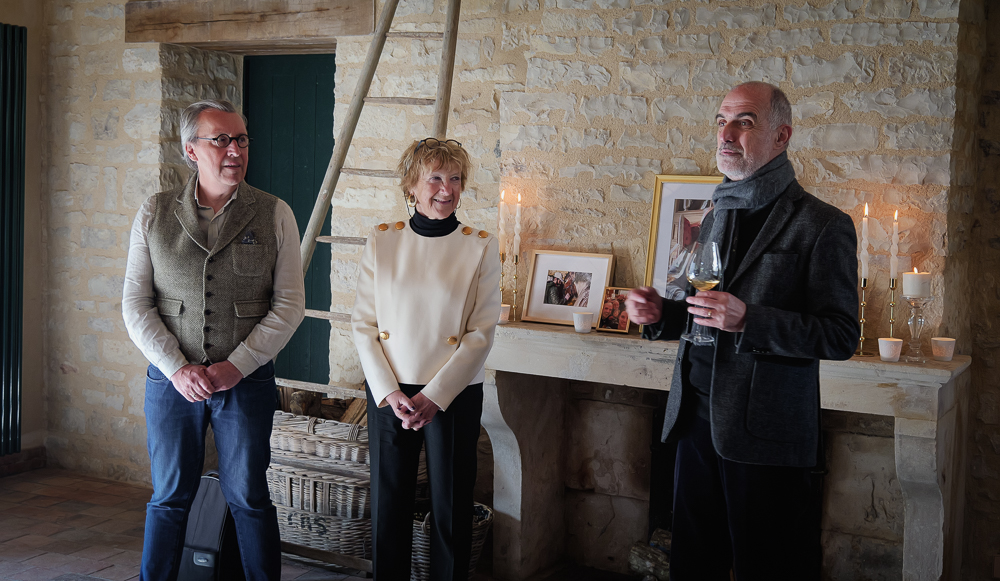
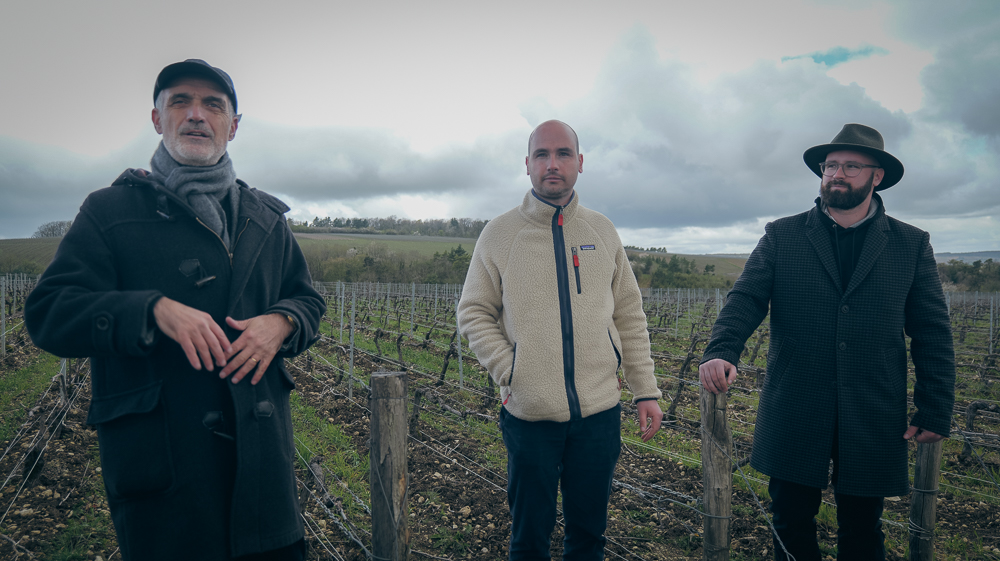
So some background on Drappier. I visited with Michel and his two sons Hugo and Antoine. Antoine is involved in the vineyards more, while Hugo spends more time in the cellar, as well as working in the vineyards too. They are the eighth generation. Drappier date back to 1808, but for a long time they were selling grapes as well as making a bit of Coteaux Champenois (still wines). It wasn’t until the 1950s that they began commercializing Champagnes. They started in 1951 when André (who died a year ago at age 99) got married and decided to stop selling grapes to negotiants in Reims.
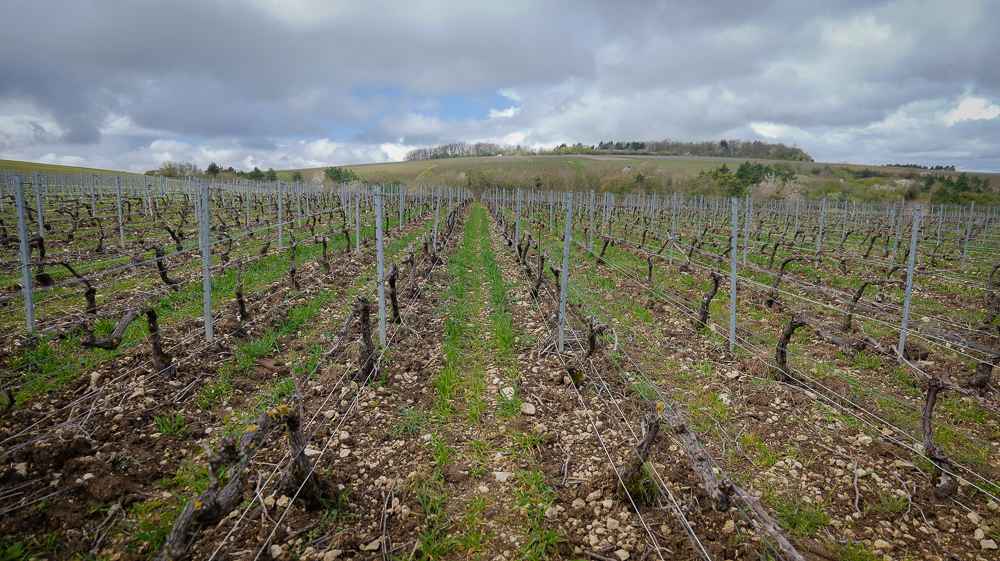
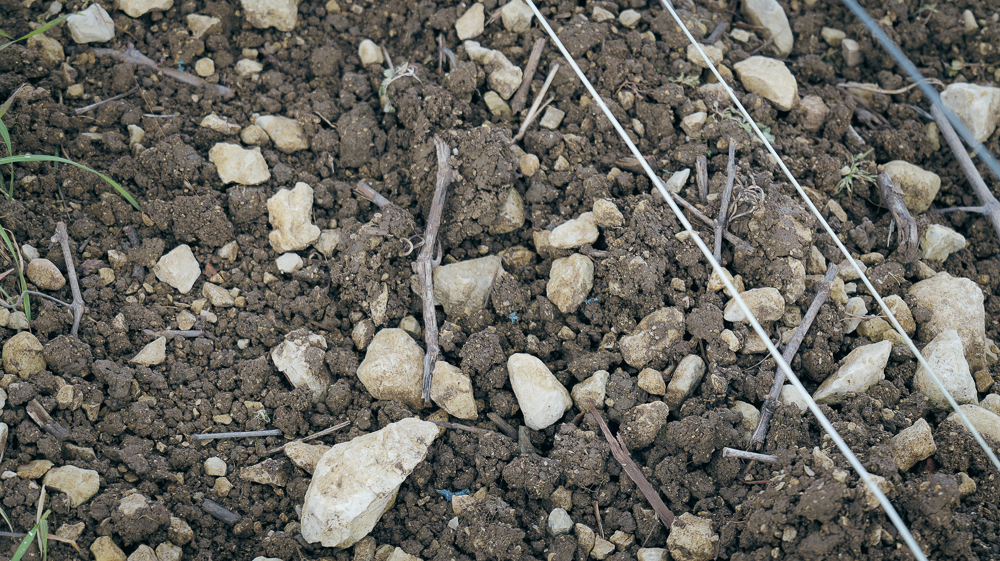
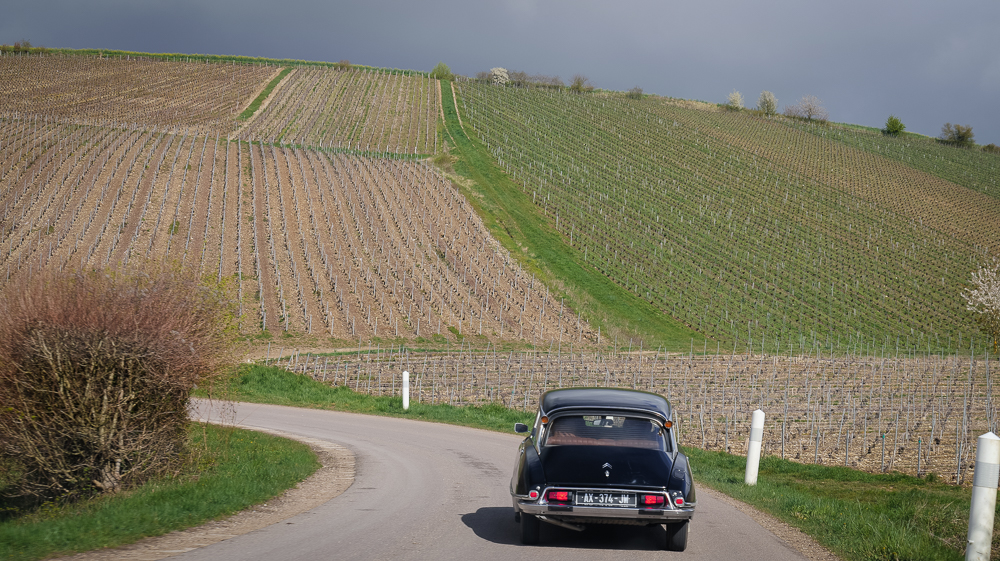
They are based in the south of Champagne, in the Aube. This is close to Chablis, and shares the same Kimmeridgean limestone. But unlike in Champagne, they don’t have the Portlandian limestone (slightly younger and harder) which tops the hills and is Petit Chablis territory. The Aube has typically sent 80% of its grapes northwards to the big Champagne houses, but now it’s beginning to get some recognition for what it can do.
Drappier’s main market is France, which accounts for 40% of its sales. Their production is around 1.5 million bottles a year.
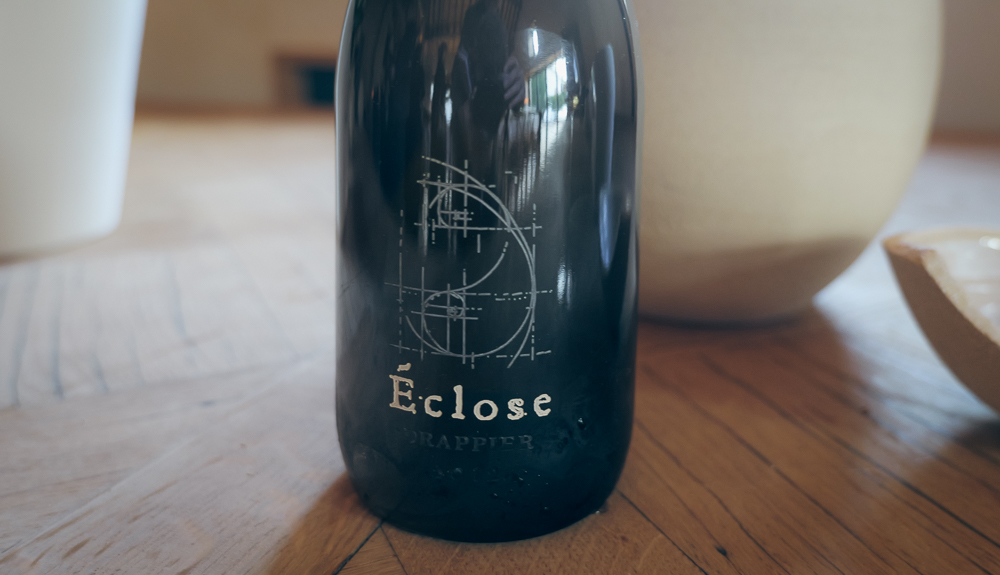
So back to the new project, which has resulted in a wine called Éclose, which translates as hatching. It is a clever play on the vessel of élevage, the wooden Taransaud egg producing a base wine after three years of incubation.
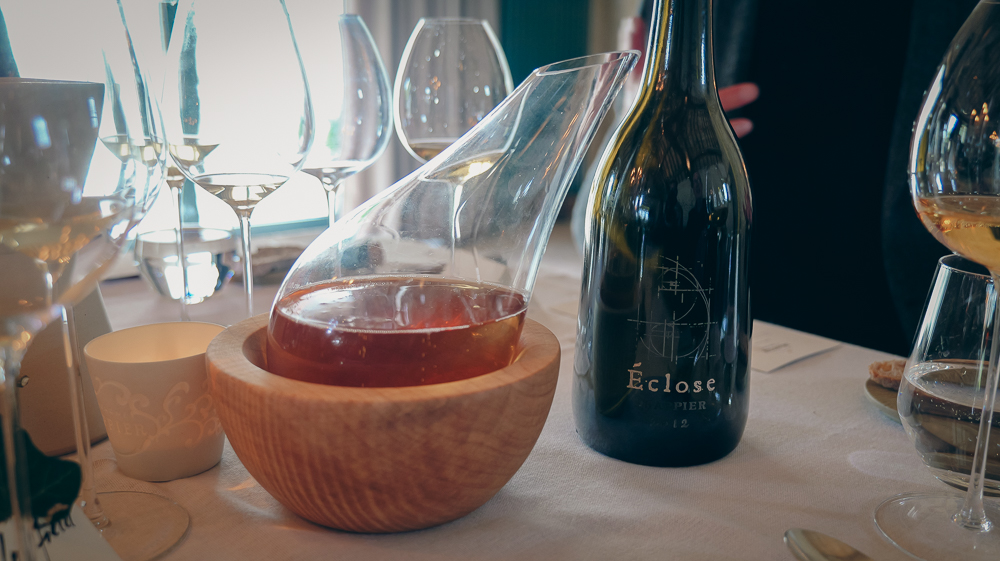
Before we got to try the wine, we saw the ovum itself. Actually, we saw both of them: the new one with 2023 in it, and the old one with 2022 in place.
These are 100% Pinot Noir. 2023 base wine is linear and complex, showing some oak influence. 2022 is showing more savouriness and complexity, with a lovely linear quality to it.
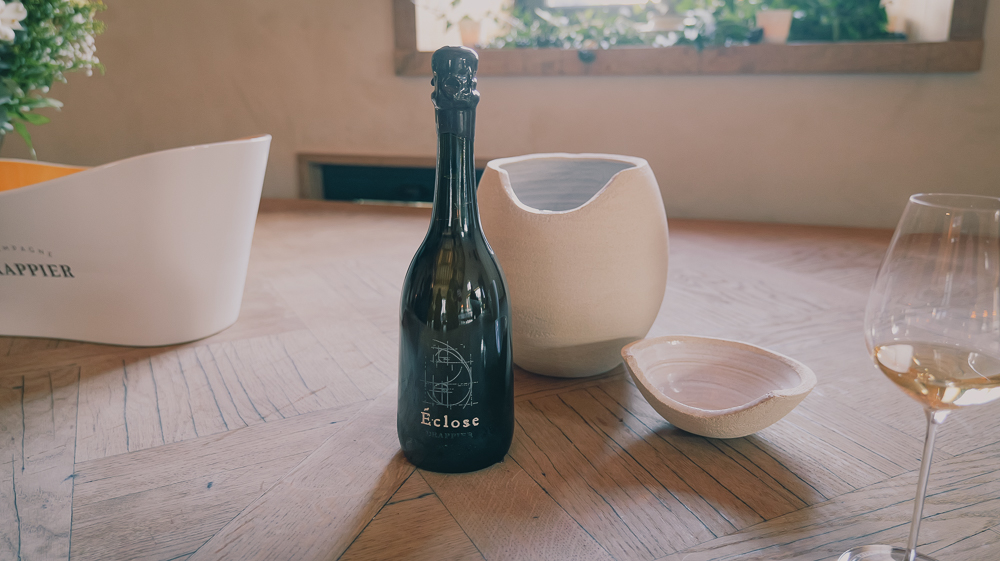
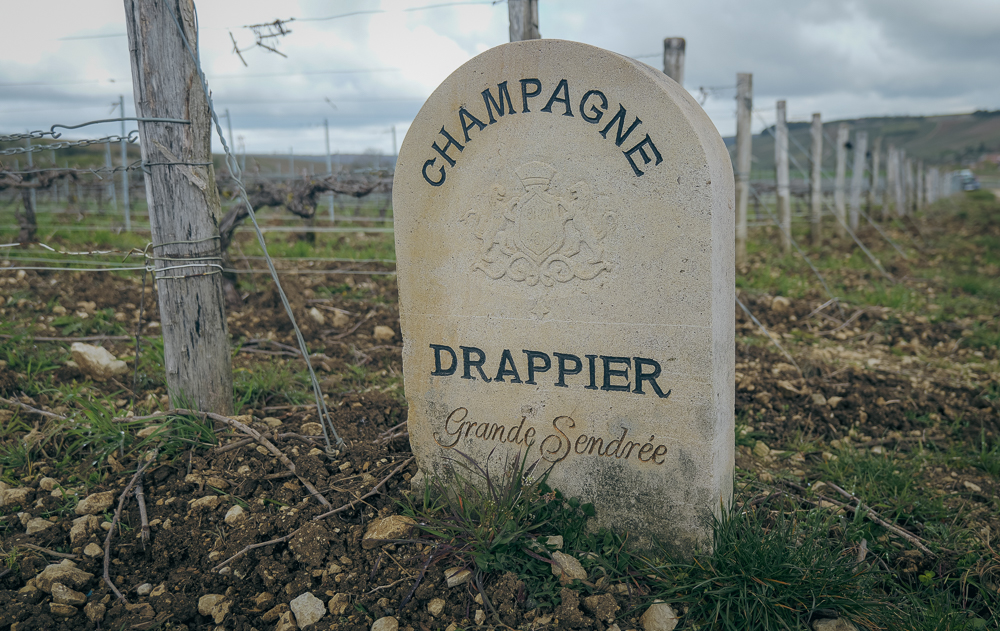
Interestingly, the 2010 Grande Sendrée has 15% of ovum wine in it, because this wasn’t used for Éclose. The Éclose debuts with 2012, but has also been made in 2015, 2018 and 2022.
Champagne Drappier Éclose 2012 France
This was bottled in 2015 and spent 10 years on lees. Disgorged April 2025 after being aged under cork, with a 4 g/litre dosage. Complex and layered with spice, toast and some woody notes. Real intensity here with notes of lime, mandarin and orange peel, with some structure. This has real impact with great acidity. Powerful with nuts, honey and spice, showing good complexity. Still youthful, but potentially great. 97/100
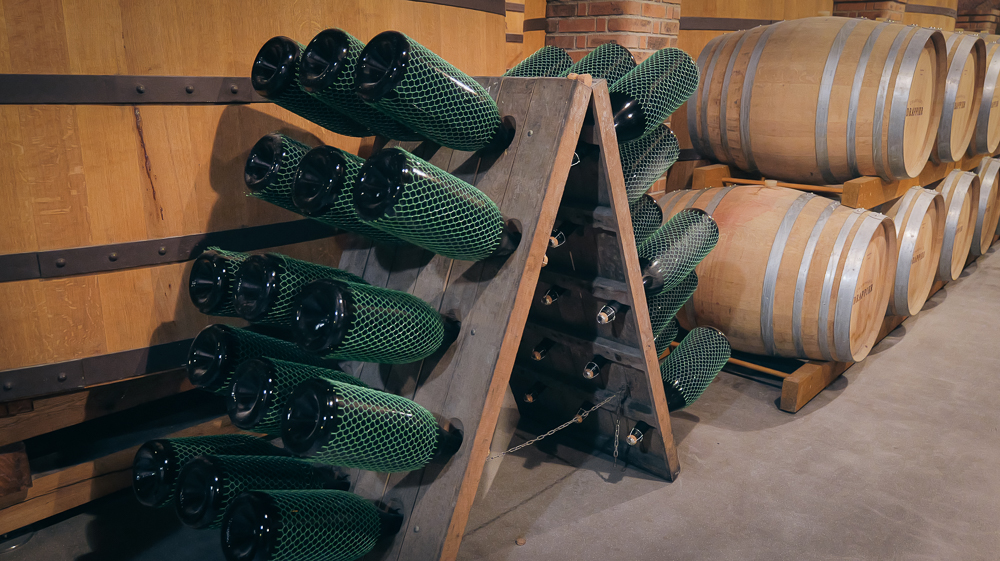
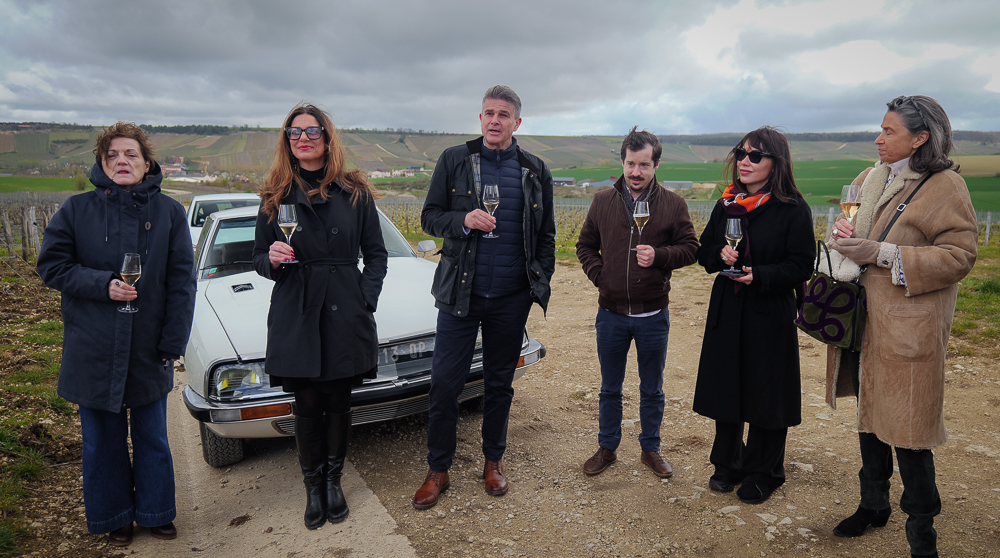
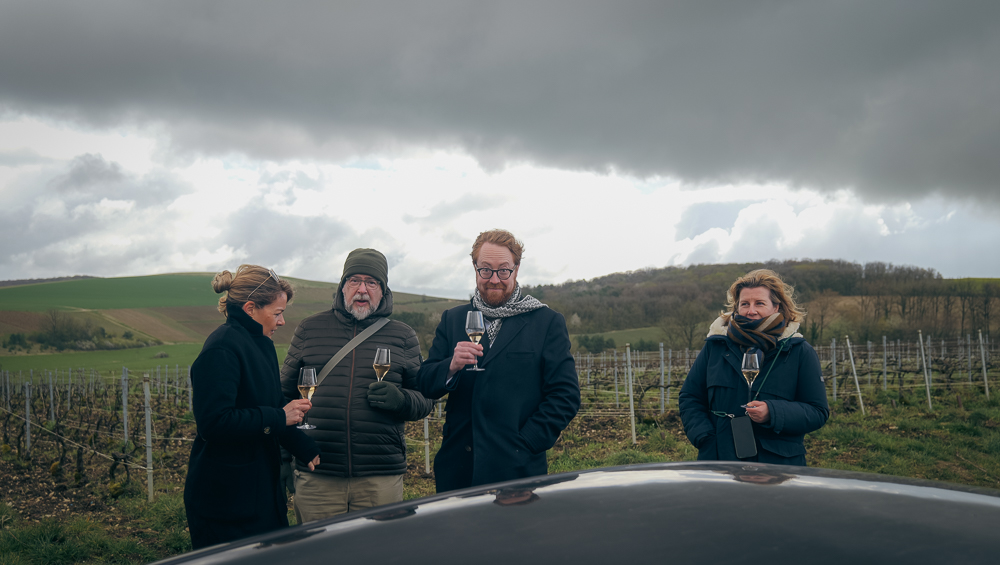
Other wines from Drappier:
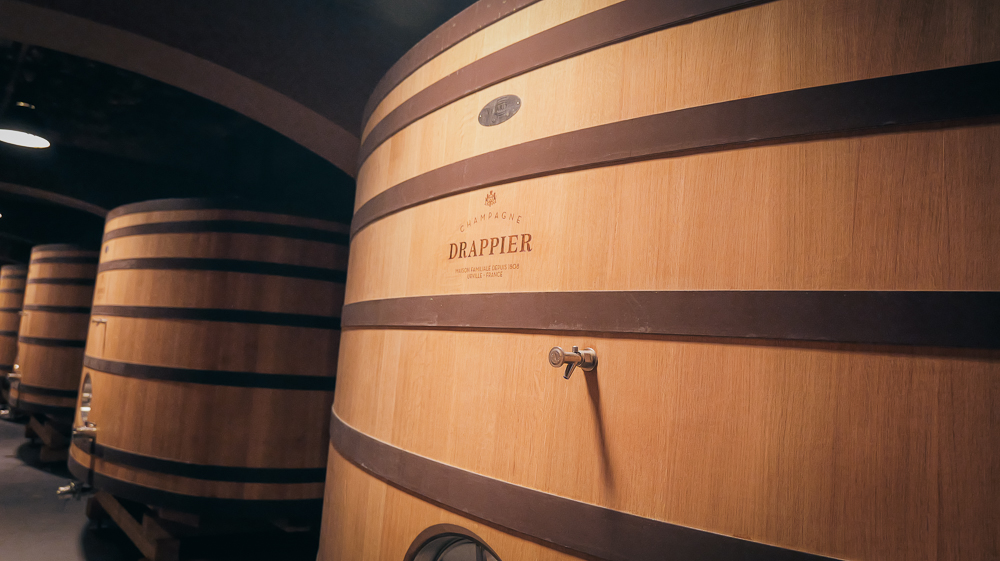
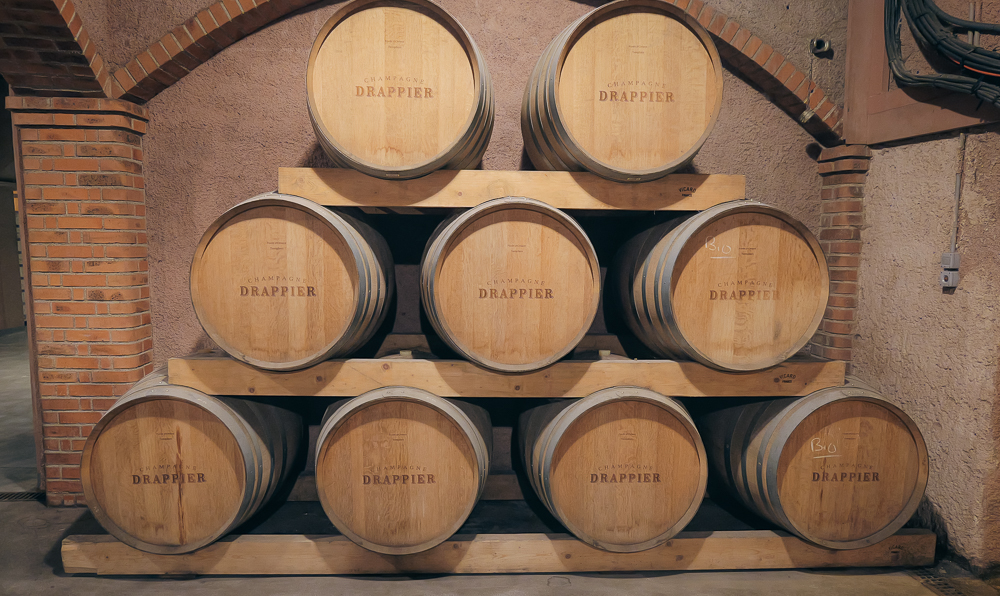
Drappier own vineyards that account for 40% of their needs. They also rent vineyards on a long term basis which they manage, and they also buy grapes. They don’t buy juice or base wines. They use a lot of oak in fermenting their base wines.
In terms of pressing, Hugo Drappier says that he does it slightly different to most in Champagne. The norm is to separate the cuvée and taille. He does a small cuvée fraction, then end of cuvée and beginning of taille, and then the end of the taille. He’s a thoughtful winemaker.
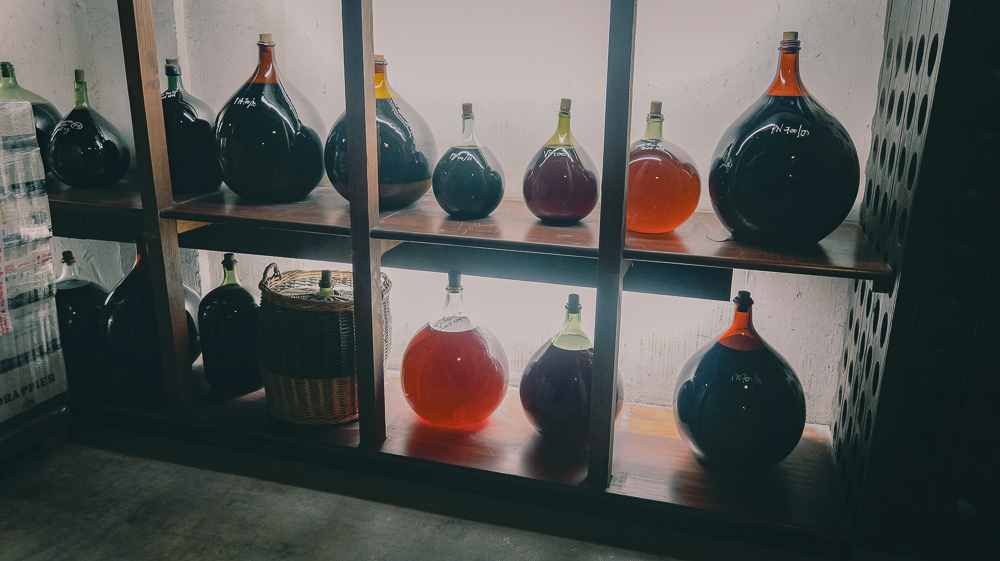
They also have a ‘liquorteche’ which is a library of liqueur d’exposition wines at 700 g/l sugar kept in demijohns. The oldest is from 1947.
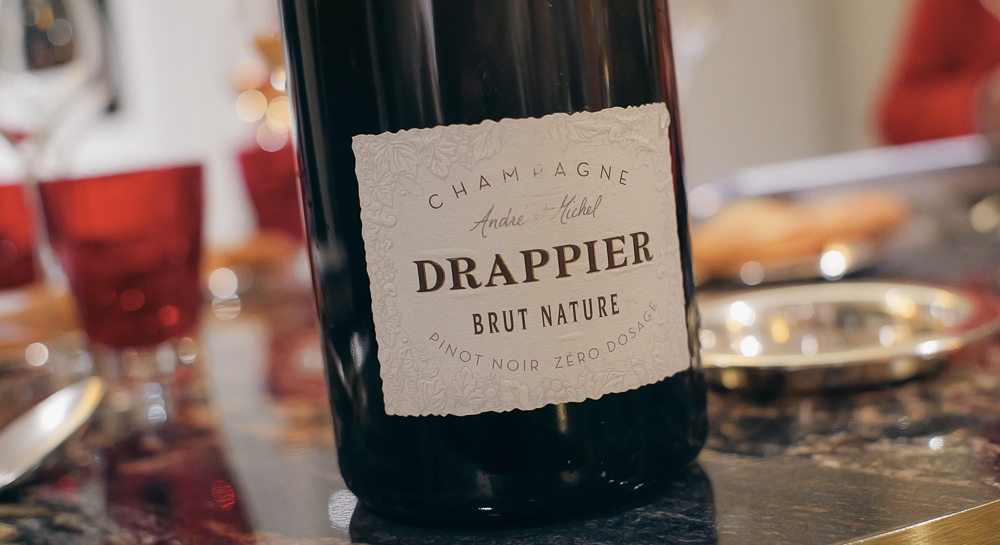
Champagne Drappier Brut Nature NV France (magnum)
This is Pinot Noir, base wine 2022, 40% reserve wines. The Drappier reserve is partly a perpetual reserve in wood that started in 2002, but also some wines in tank. There’s no rule on the percentage of reserve: this depends on the vintage. This is bold, vivid and incisive with some nice structure. It shows taut citrus fruit with lovely precision, finishing dry. 93/100
Champagne Drappier Clarevallis Extra Brut NV France
This is based on 2020. 75% Pinot Noir, 10% Chardonnay, 10% Pinot Meunier, 5% Pinot Blanc. 4 g/l dosage. This is bright and linear with a hint of orange peel, some lemon and a twist of green apple. Juicy and focused with real delicacy and purity. Quite brittle and linear, and really classy. 92/100
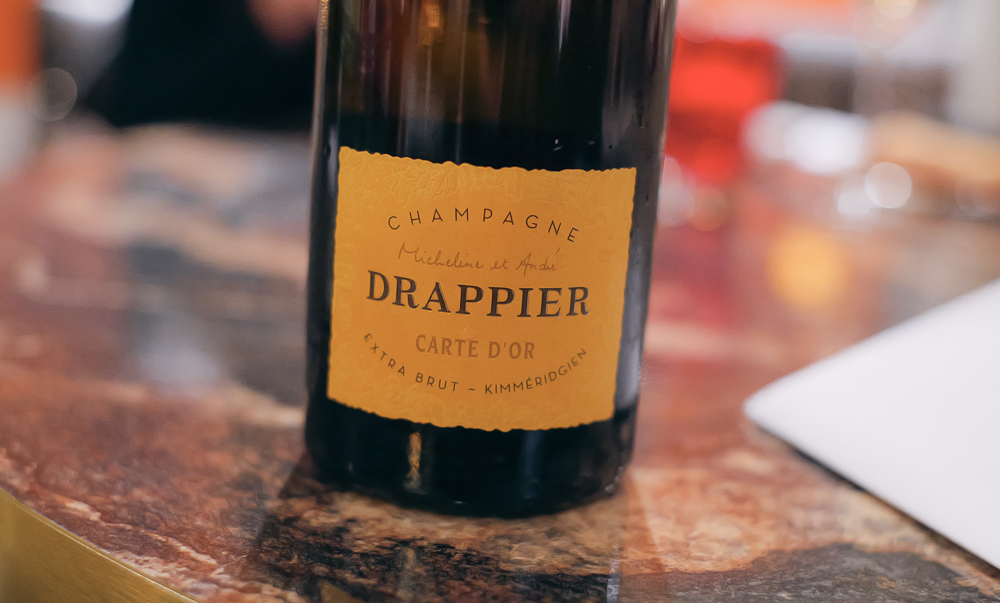
Champagne Drappier Carte D’Or NV France
80% Pinot Noir, 15% Chardonnay, 5% Pinot Meunier. This is the big NV blend for Drapper and comes with 40% reserve wine in the blend and a 5 g/l dosage. Fresh, fruity and vital with juicy citrus fruit with a hint of cherry, and nice crispness. It’s quite tasty. 90/100
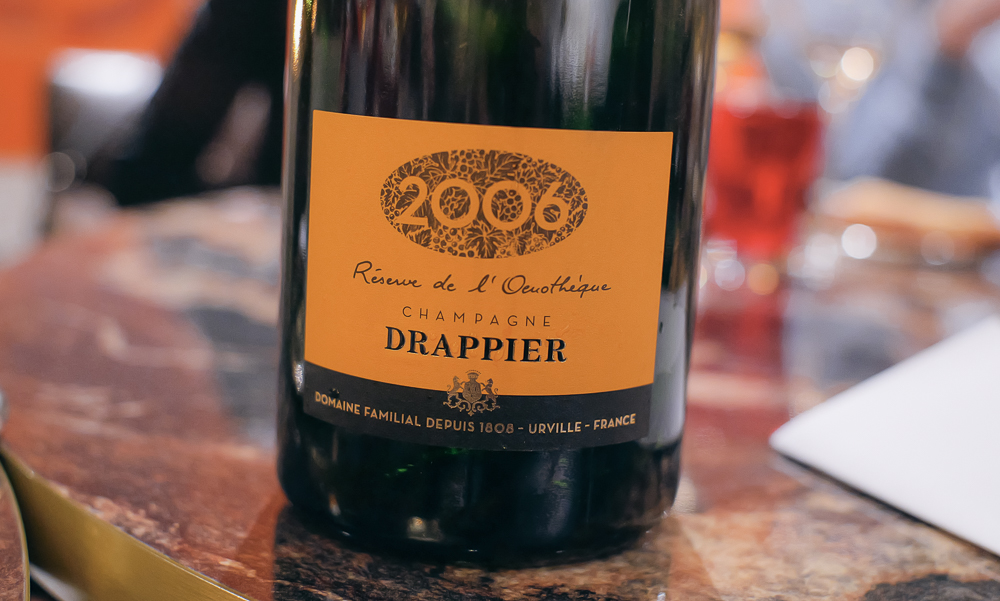
Champagne Drappier Réserve de l’Œnothèque 2006 France (magnum)
This was disgorged in 2019 with a dosage of 4.5 g/litre. Complex, rich, toast, spice and honey nose with some apple and some nuts. Powerful palate with nice depth, showing lovely toasty richness and some peach and apple notes. This is really rich, with nice depth and intensity. 94/100
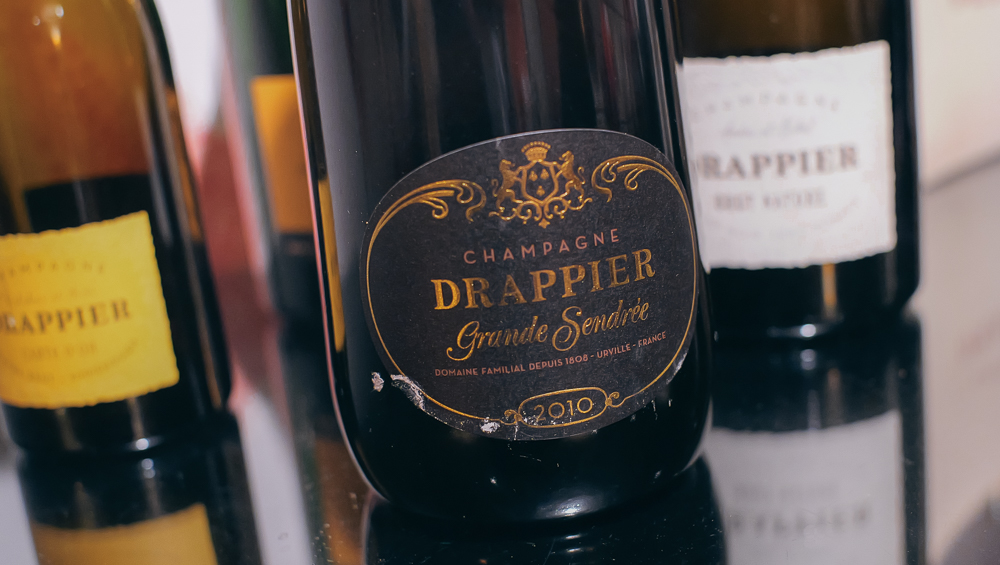
Champagne Drappier Grande Sendrée 2010 France (magnum)
This is the prestige cuvée of Drappier, and it is 55% Pinot Noir and 45% Chardonnay. Disgorged in February 2023. This is precise, complex and layered with bright lemon fruit and fine toastiness. Good acidity with amazing intensity, finishing bright. 94/100
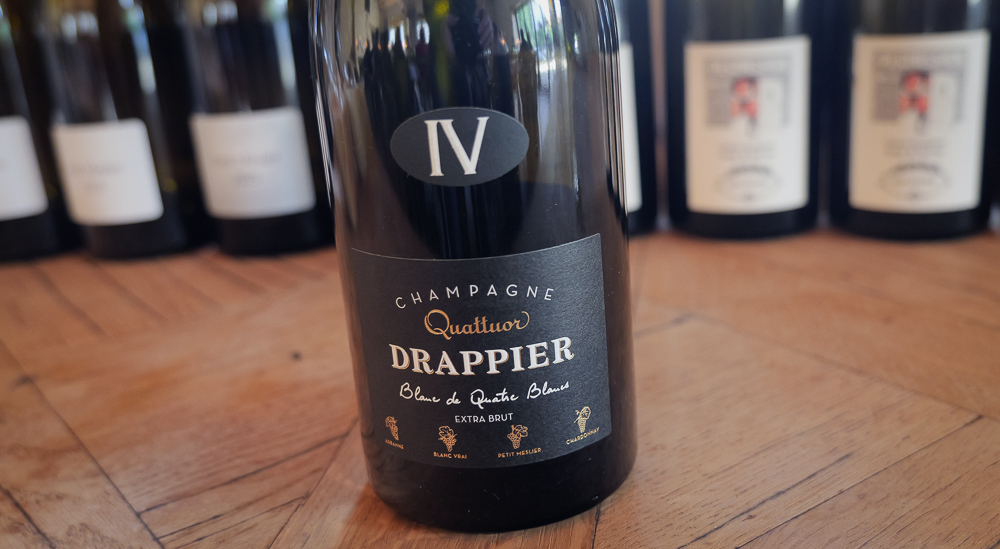
Champagne Drappier Quattuor Blanc de Quatre Blancs NV France
This is a quarter each of Champagnes four white grape varieties from their vineyards in Urville, with a base of 2020 and no reserve wines, stainless steel only. Crystalline and taut with nice lemony detail, showing focus and purity. Such purity here with amazing presence. 94/100
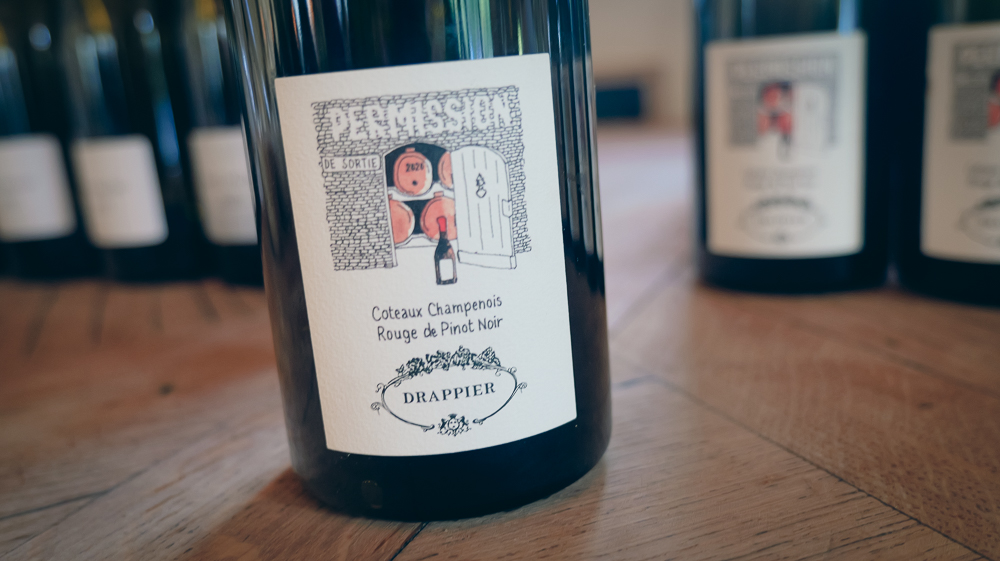
Champagne Drappier Coteaux Champenois Rouge Permission 2020 France
Juicy and tart with some slight animal-like spiciness. Vibrant red cherry and raspberry fruit with herbs and spices. Quite natural in style. 90/100
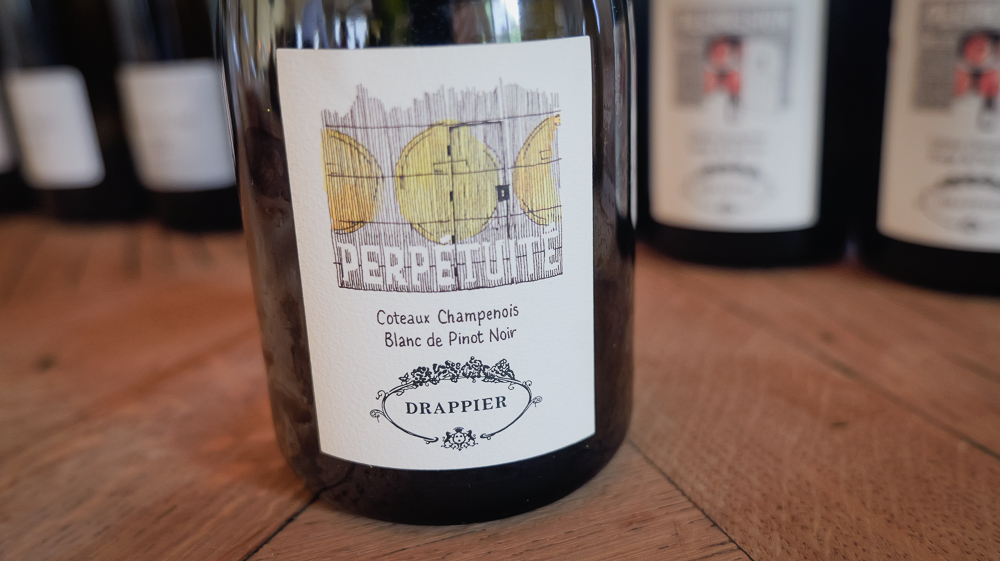
Champagne Drappier Coteaux Champensois Blanc de Noirs Perpétuité NV France
This is a bottling of the perpetual reserve blend. Tart, tangy, lemony and bright with good acidity and great balance. Fresh and complete with a wet stone note on the finish. 93/100
A short film of the event:
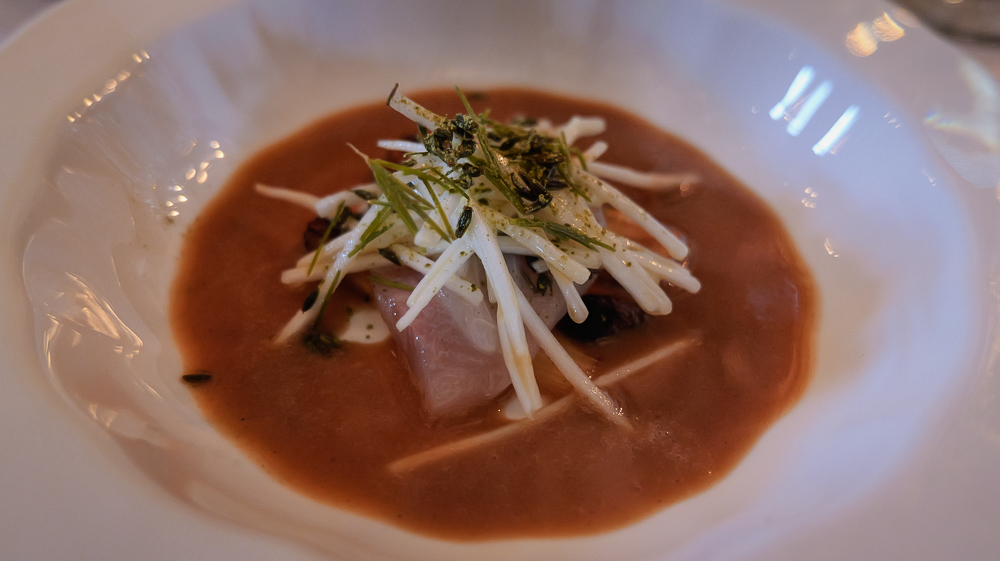
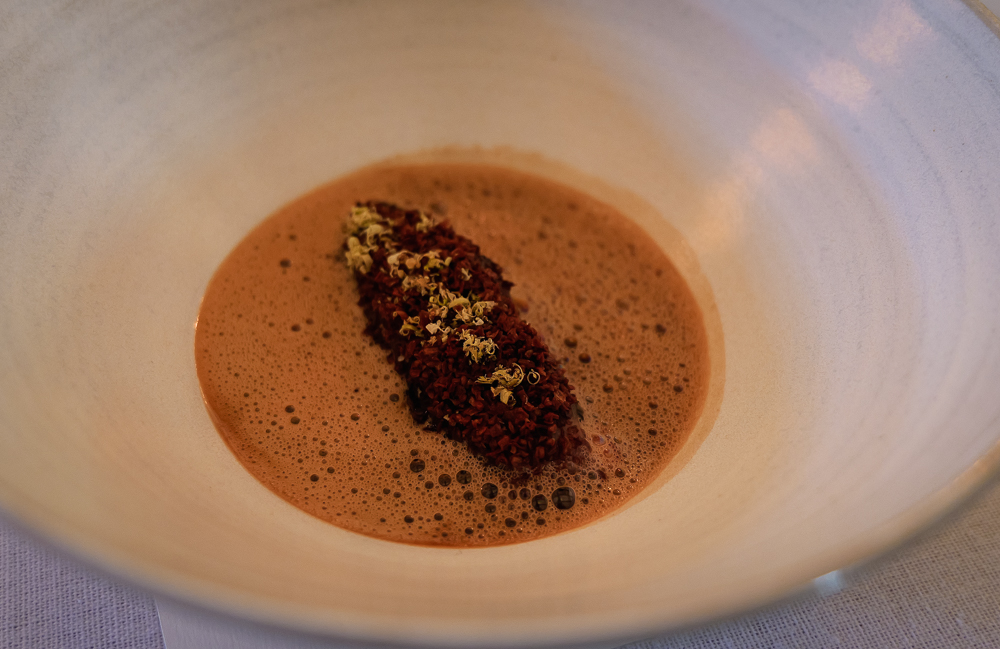
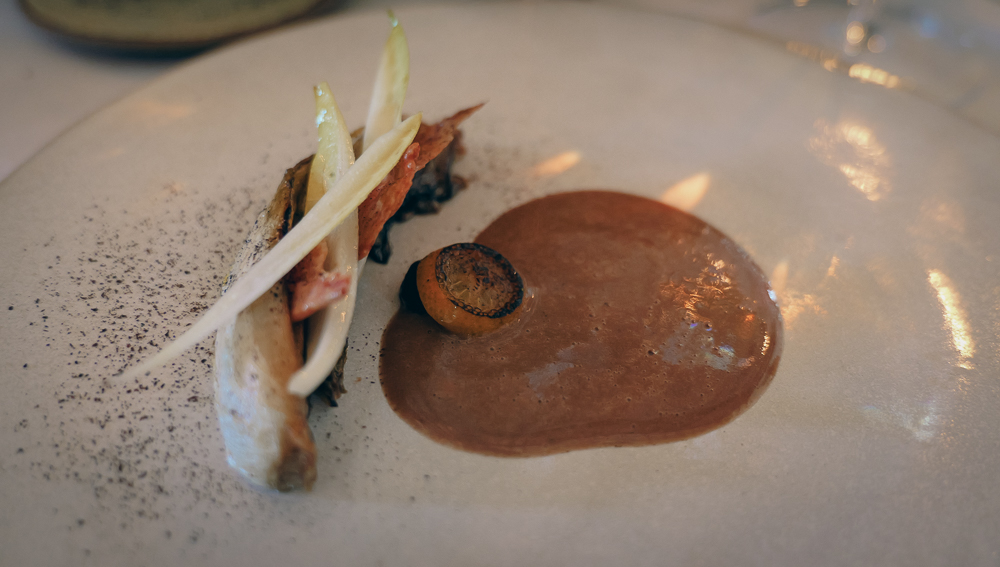
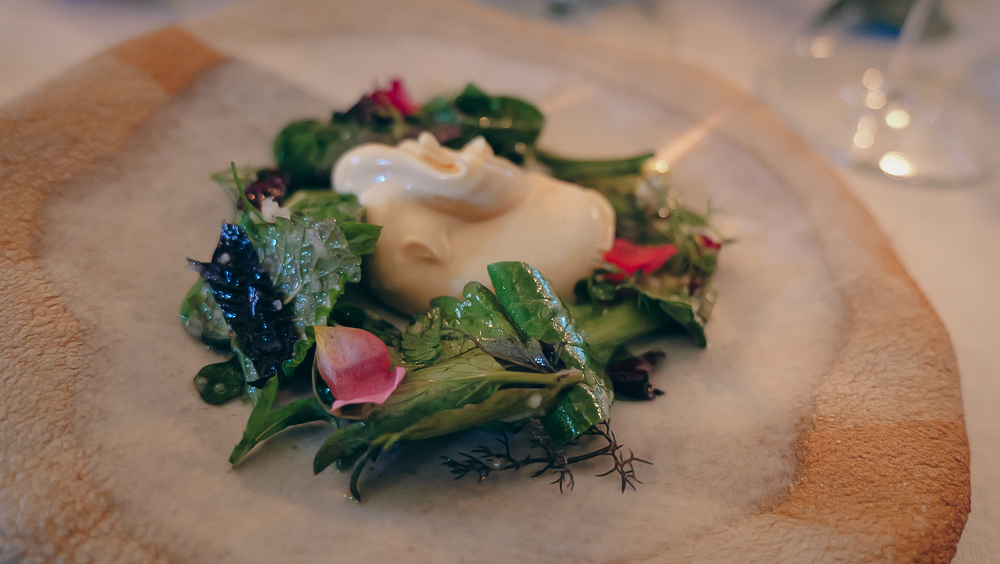
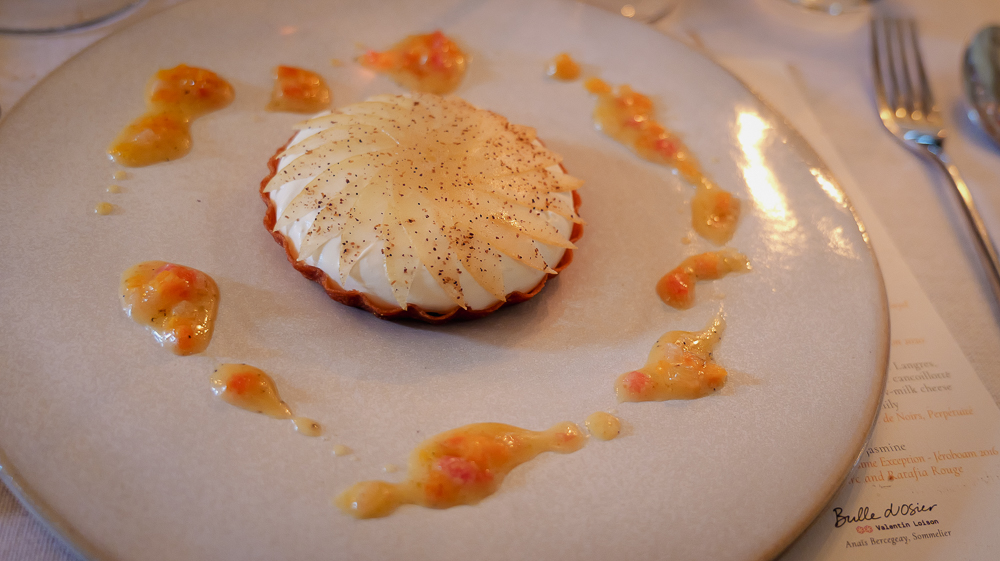
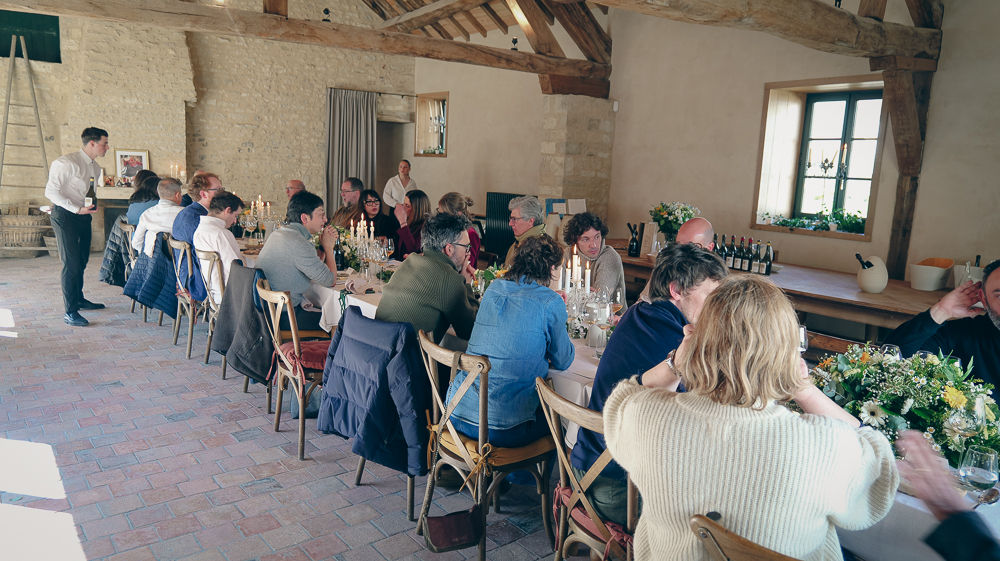
Lunch at the Éclose lunch was cooked by two-Michelin-star chef Valentin Loisin of Bulle d’Osier in Langres.