Visiting Emiliana, an important organic Chilean winery
Website: https://www.emiliana.cl/en/
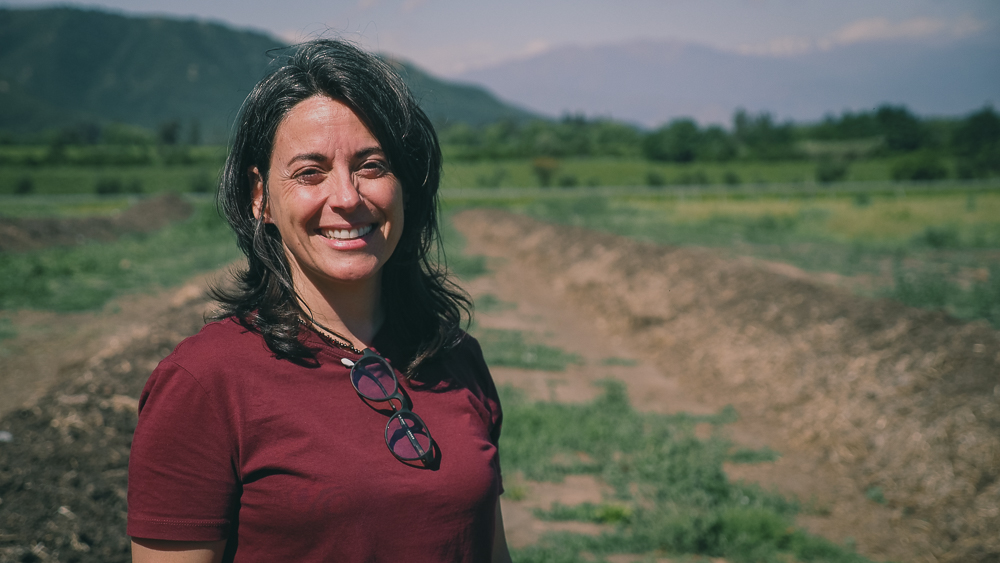
Emiliana is an important winery for Chile. I visited with winemaker Noelia Orts (pictured above) in the Los Robles, Colchagua, to hear the story.
Until 1987 this was part of Concha y Toro, but it separated off, although the majority of the ownership is with the Guilisasti family (who own Concha y Toro). In 1998 José Guilisasti decided he’d like to take things here in a less interventionist direction. He travelled to find out whether he really needed to spray so many things in the vineyard and met with Mike Benziger and Aland York in California. Alvaro Espinoza had done a sabbatical there and he told José that it really was possible to farm with less intervention.
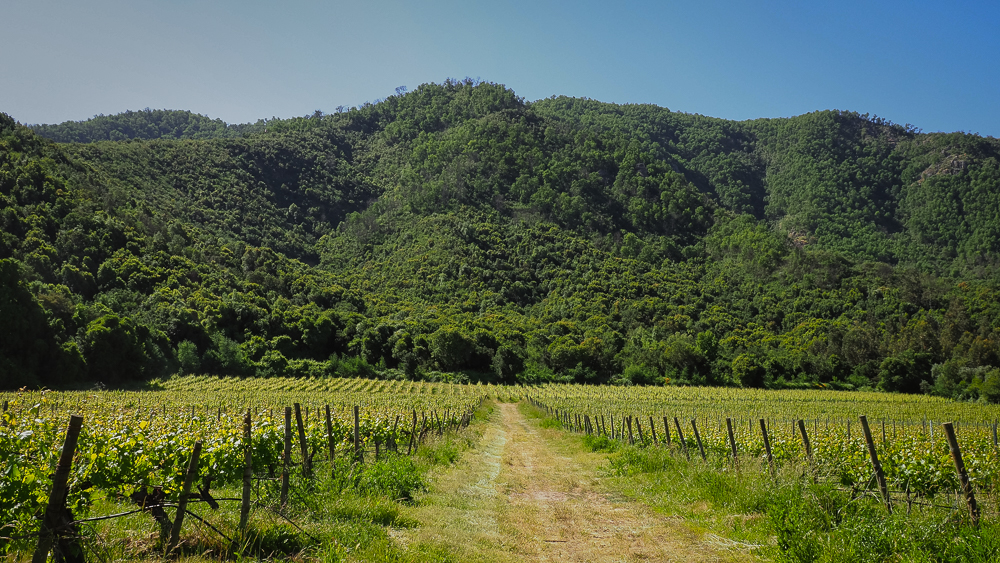
So José went to the other directors and said he wanted to change things, and begin farming organically. Back then, no one cared about organics, but the rest of the family said he could try it on a few hectares. And this vineyard, Los Robles, was the one he was allowed to farm a few hectares with organics, and then make a wine from it.
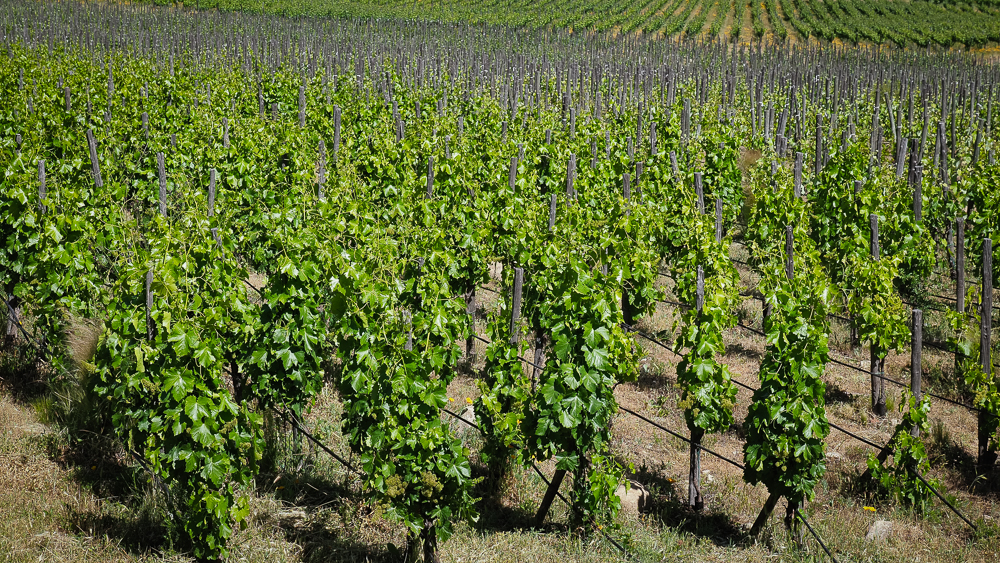
Los Robles was then a significant 600 hectare property with 100 hectares of vines. It’s ideal for an organic program because it’s quite isolated, with no neighbours. And the forest on the estate helps with biodiversity. The climate is Mediterranean-like, and the soils are decomposed red granite with good drainage.
Alvaro was a consultant to the project, and was helped by Alan York, the biodynamic consultant that Alvaro had learned so much from. By 2001 Emiliana was certified organic, and the first vintage of Coyam, 2001, came from here.
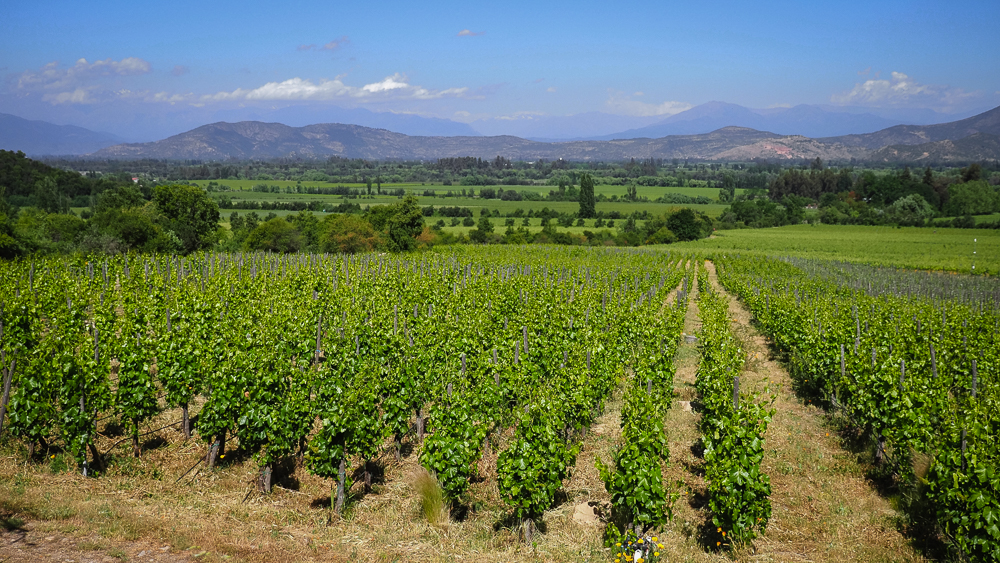
The forest acts like a sponge, taking rainwater in the winter and then releasing it later. It also prevents erosion from heavy water flows.
The transition to organics wasn’t easy. The first 35 hectares that were converted struggled initially, and yields dropped. It took five to six years from them to come back. Now Emiliana has 1000 hectares under vine. Coyam was actually born biodynamic, because they farmed biodynamically at the same time as farming organically.
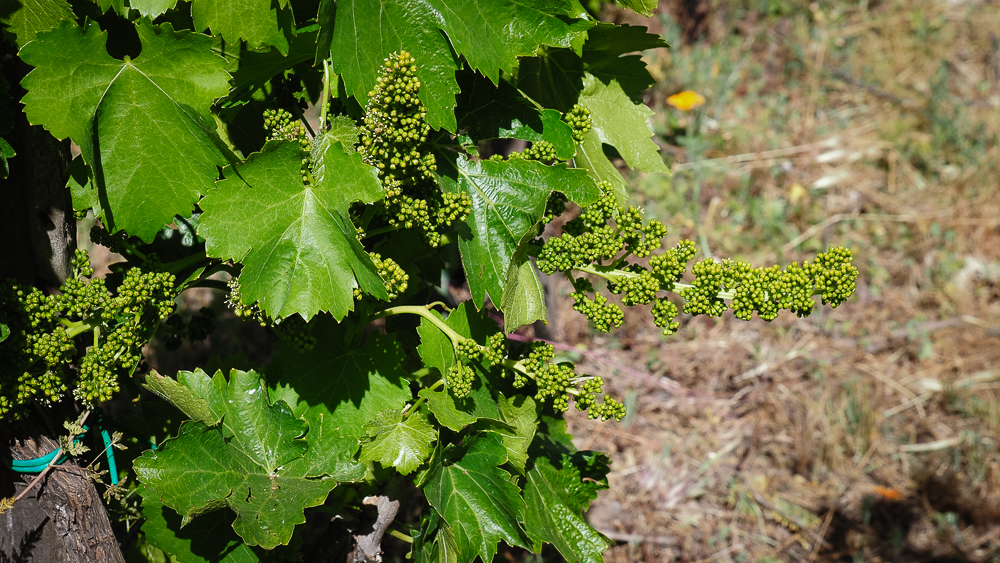
Now they are ROC certified (Regenerative Organic), the first winery in Chile to achieve this. Three years ago they started to switch to permanent cover. There are so many benefits they aren’t worried about any competition with the vines. In one plot of Carmenere they had to till, though, so they could deal with a black beetle outbreak: tillage exposes the larvae. They work with different cover crop mixes, depending on the block and the region.
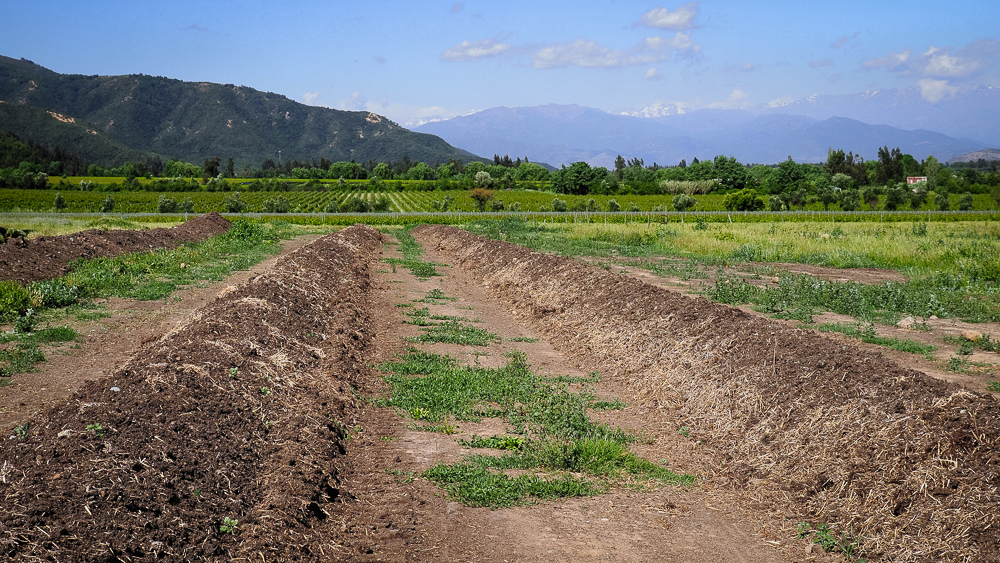
The compost heaps are impressive. They combine straw with cow manure from a neighbouring farm and some grape marc. In Limari they use goat manure instead because they don’t have cows, and in Maule instead of straw they use rice hulls because there is a lot of rice grown there. They make 350 tons a year, and apply every two years. It’s not enough, says Noelia.
THE WINES
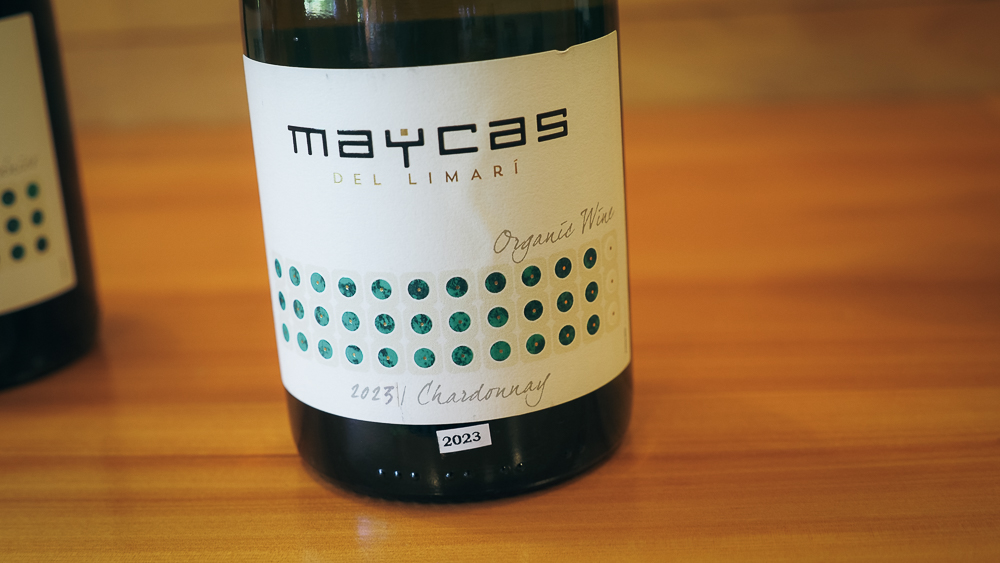
Maycas del Limari Chardonnay 2023 Limari, Chile
13.5% alcohol. Emiliana planted this vineyard in Limari in 2011, and bought the Maycas brand from Concha a while back. This vineyard has been organic and biodynamic since last year, and is on the south bank of the Limari, with alluvial soils and some limestone/calcium carbonate on the pebbles. Cool climate. Beautifully complex nose with fine toast, spice and honey notes as well as vibrant citrus fruit. The palate has meal and toast notes as well as a hint of creaminess, but also lovely fresh citrus fruit and good acidity. (The explanation – calcium makes it hard to take up iron so the vine makes more acid so it leaves through the roots and helps with uptake). Lovely tapering finish. 94/100
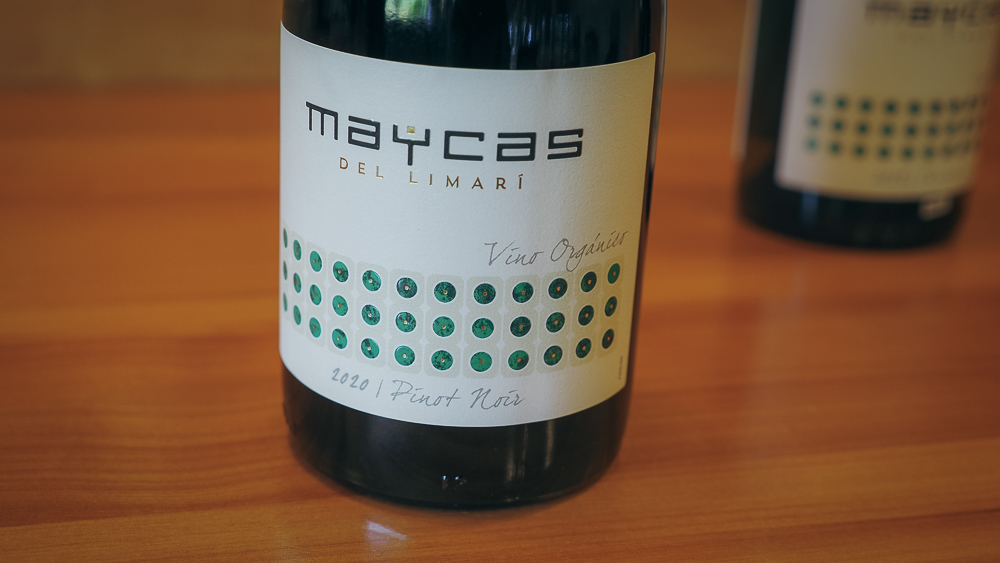
Maycas del Limari Pinot Noir 2022 Limari, Chile
Two clones of Pinot Noir. 30% whole cluster on top, in foudres and barrels. Wonderful aromatics here with sweet strawberry and cherry fruit. The palate shows freshness, poise and concentration with a slight chalky edge to the textured cherry and strawberry fruit. Nice grip on the finish with good acidity. Silky and expressive, and full of pleasure, but also with a bit of structure. 94/100
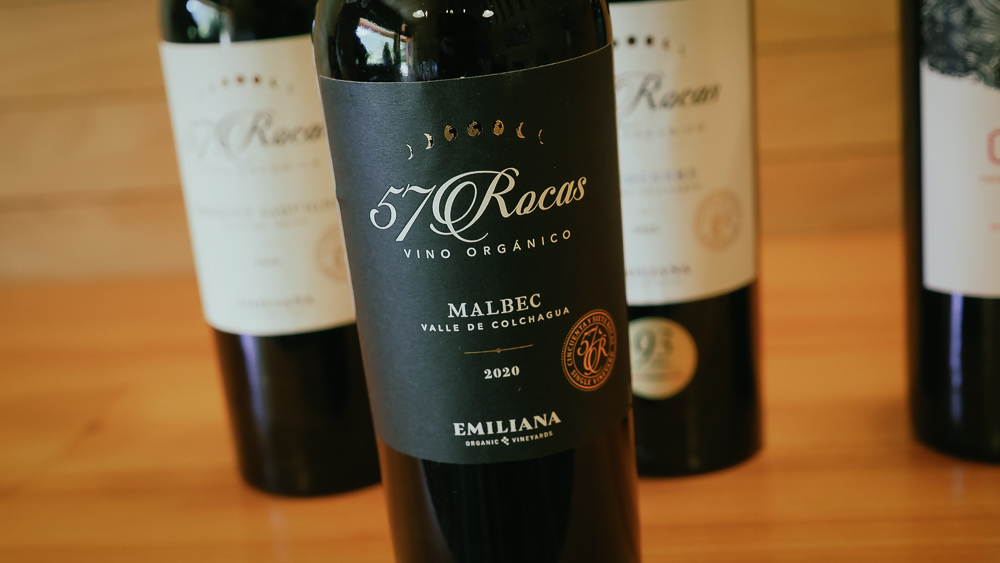
Emiliana 57 Rocas Malbec 2020 Colchagua, Chile
This is named after a sculpture of 57 rocks on the property, which was a tribute to Jose Guilisasti. The concept is flow forms so all the water moves through the energy of the rocks, ending up in a pond used to irrigate the property. Mass selection, own rooted, small berried red stemmed Malbec planted in 2000, destemmed, goes to foudres. Really fresh and direct with floral cherry fruit and some plums. There’s some raspberry brightness and nice intensity. Pure, unadorned by oak, showing really appealing fruit. 94/100
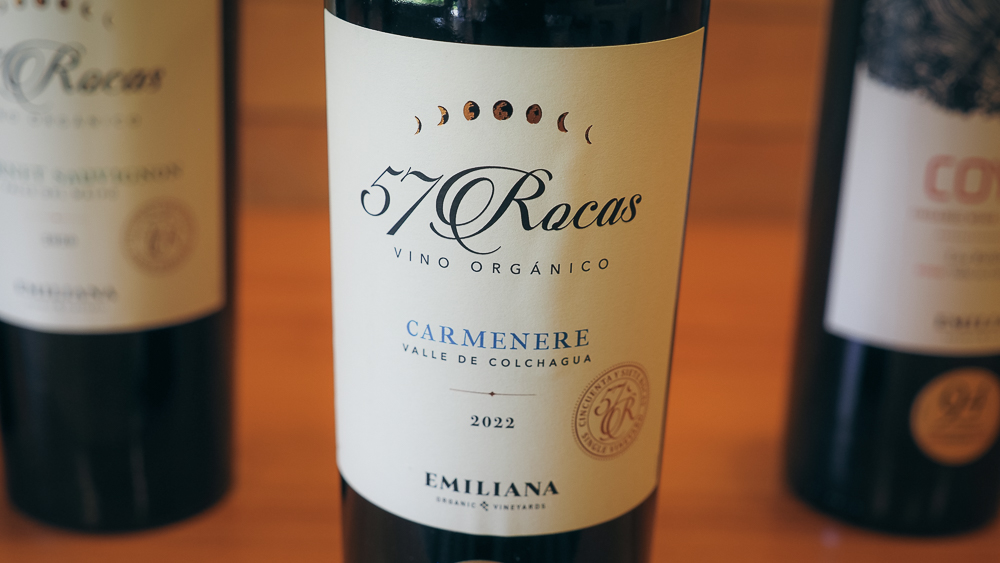
Emiliana 57 Rocas Carmenère 2022 Colchagua, Chile
Mass selection, own roots, 70% concrete eggs. Chalky nose is very carmenère with nice blackcurrant fruit. The palate is supple and fresh with nice concentration showing grainy, chalky black cherry and blackberry fruit as well as some blackcurrant, with nice green hints. Concentrated, textured, and fresh, showing Carmenère at its best. 94/100
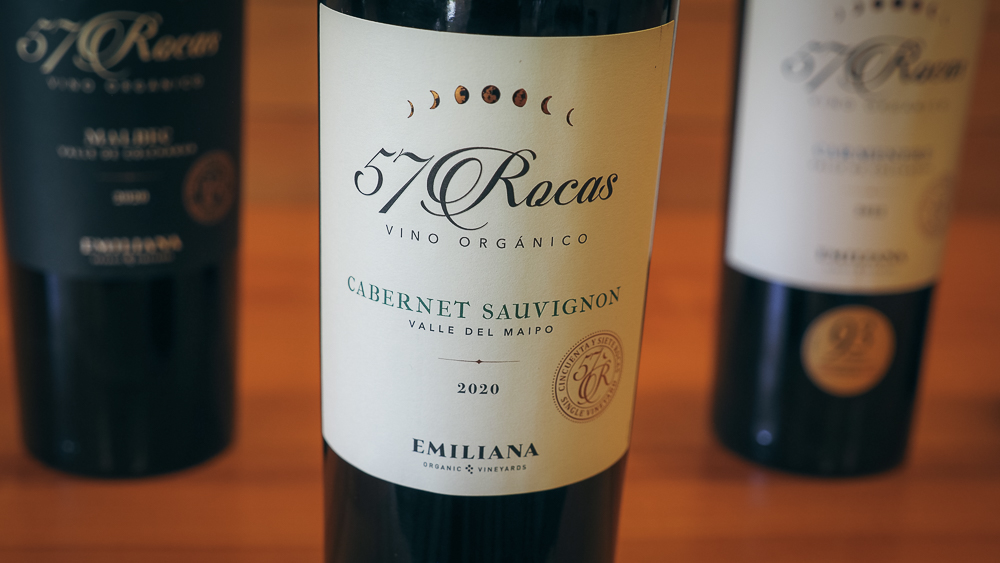
Emiliana 57 Rocas Cabernet Sauvigon 2020 Maipo, Chile
Planted on own roots in 2008 with lots of clones, including selections from Dom Melchor and Almaviva. This is lush and ripe with sweet blackcurrant fruit showing nice depth and sweet fruit, with a touch of chalkiness on the finish. Has a bit of grippy structure but this is polished and lush. 92/100
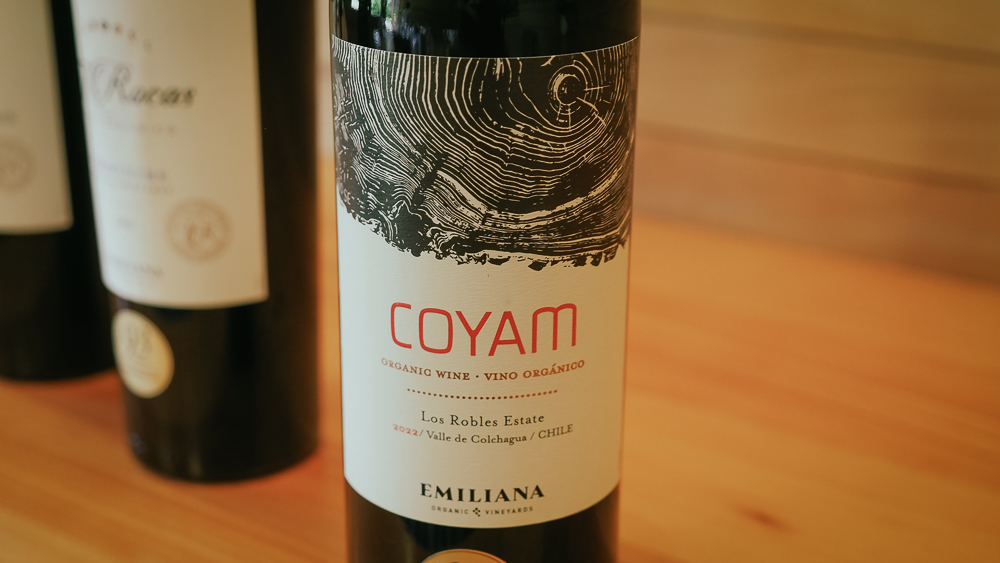
Coyam Los Robles Estate 2022 Colchagua, Chile
Coyam means oak forest. This is a big blend from this property, with each variety fermented separately. 70% barrels, 30% foudres in most year. Syrah, Garnacha together 65% of the blend, and there’s less Cabernet these days. There’s some sweet blackcurrant fruit here as well as bright berry fruit and a hint of saltiness. There’s concentration here but also freshness with great balance between the sweet, accessible black fruit character and then the structure and acidity. It’s pleasurable and also has some seriousness. 94/100