How pruning is done in Bourgogne (Burgundy)
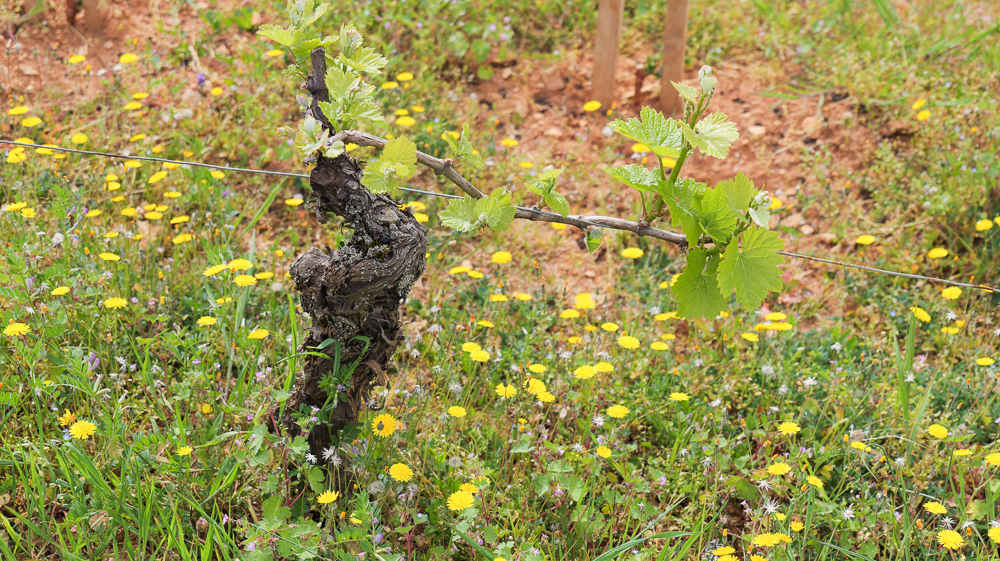
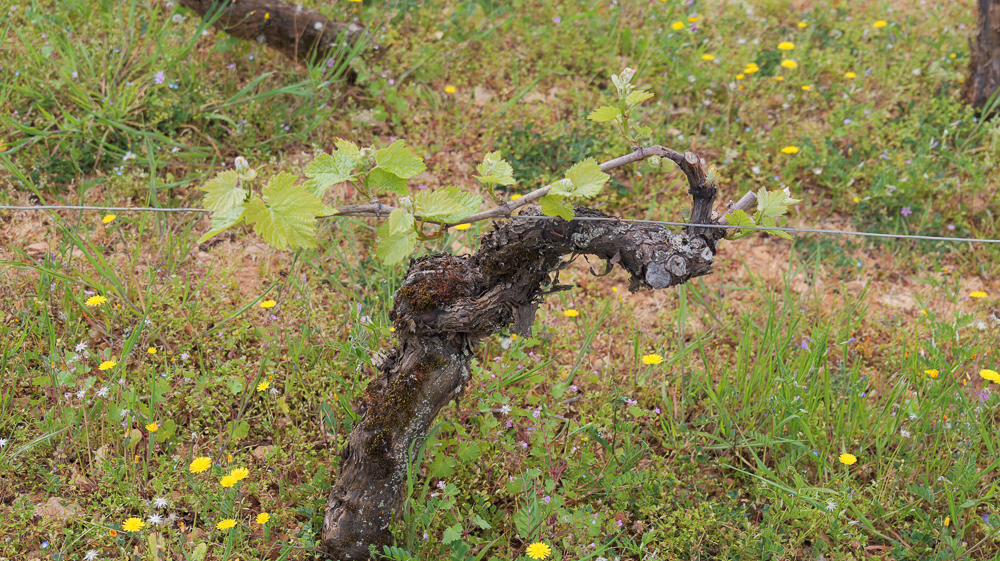
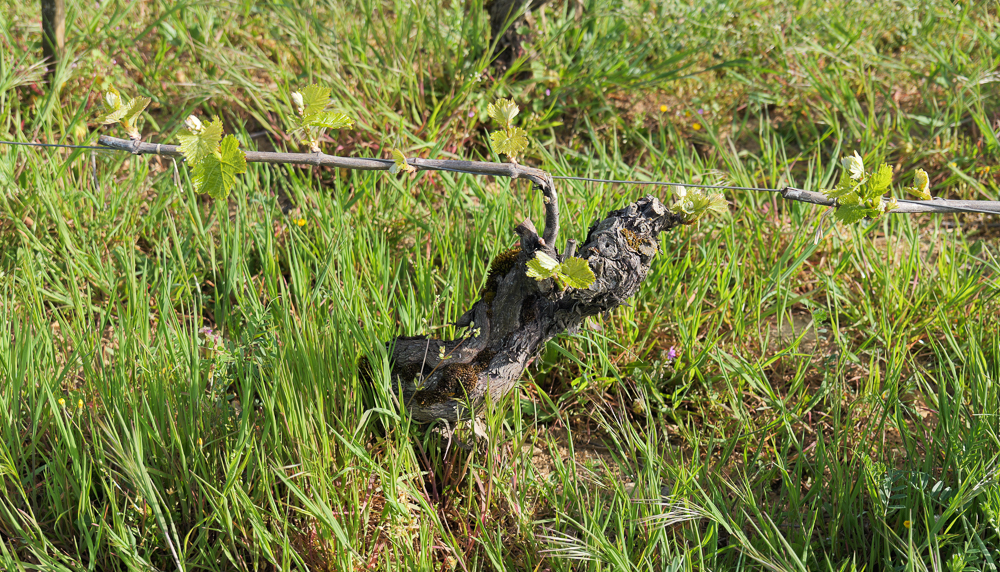
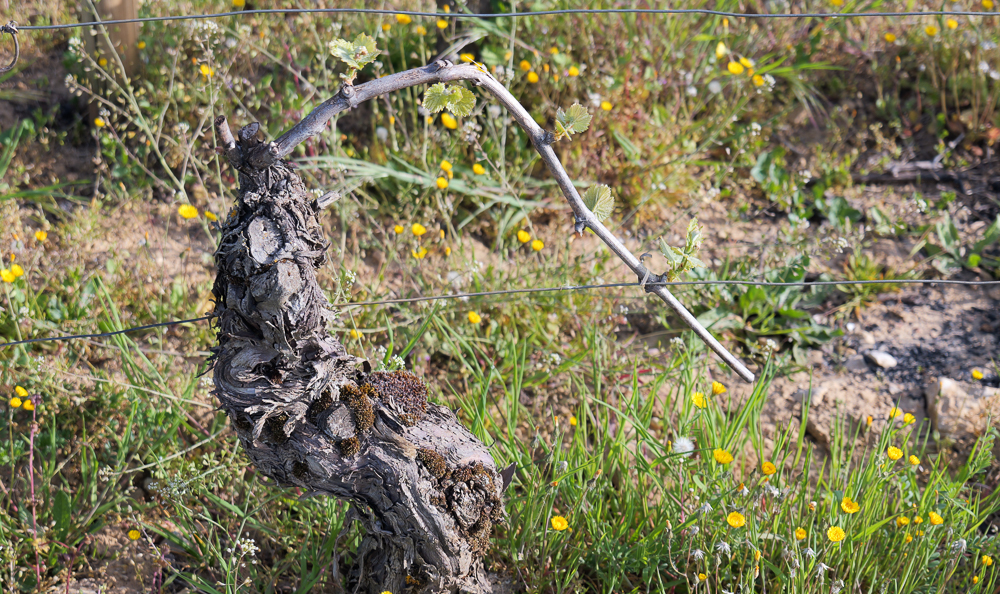
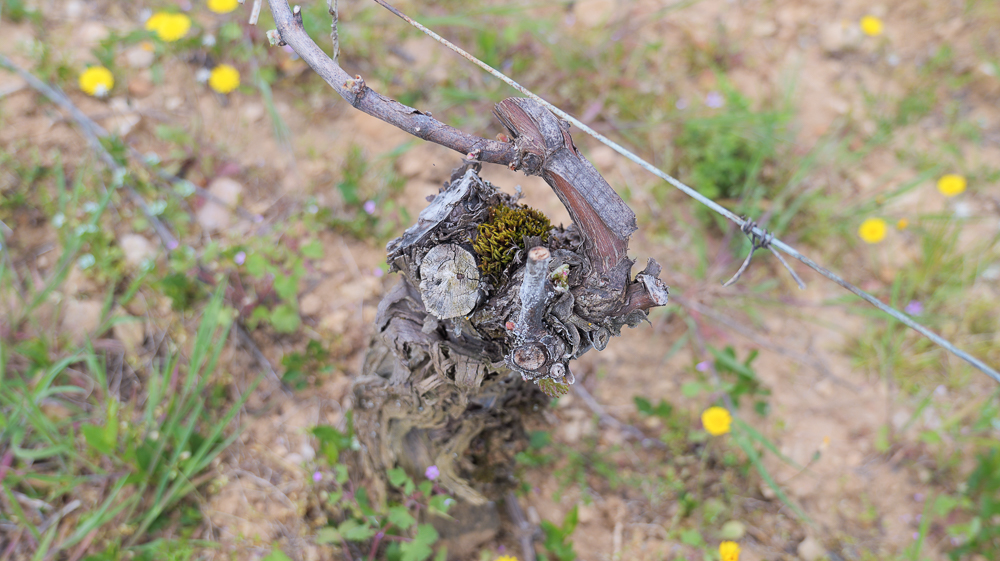
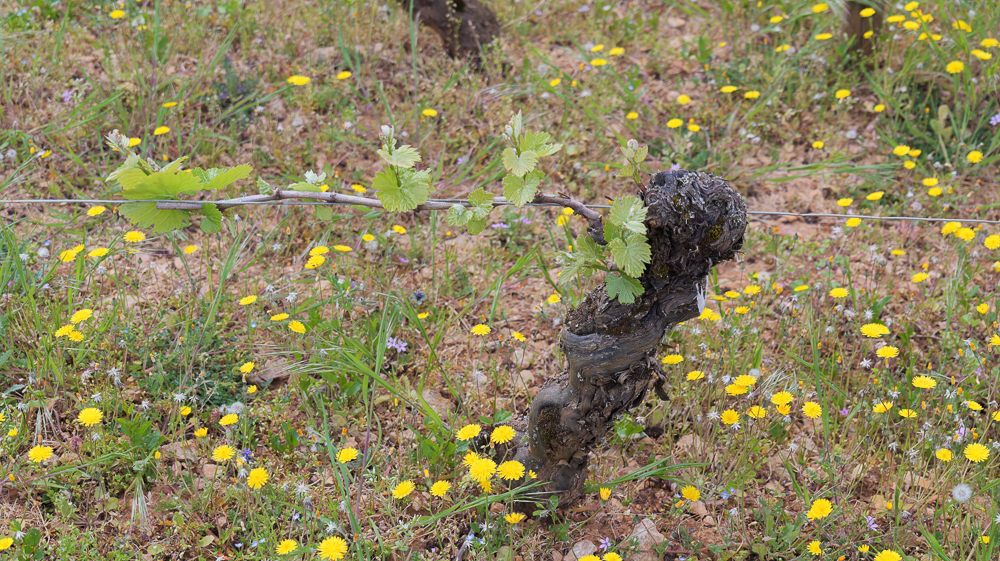
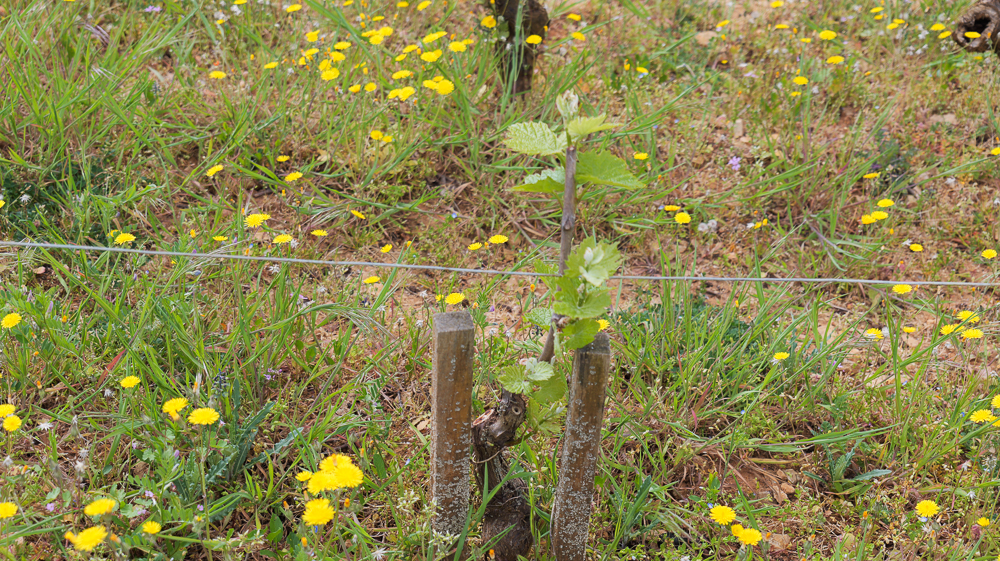
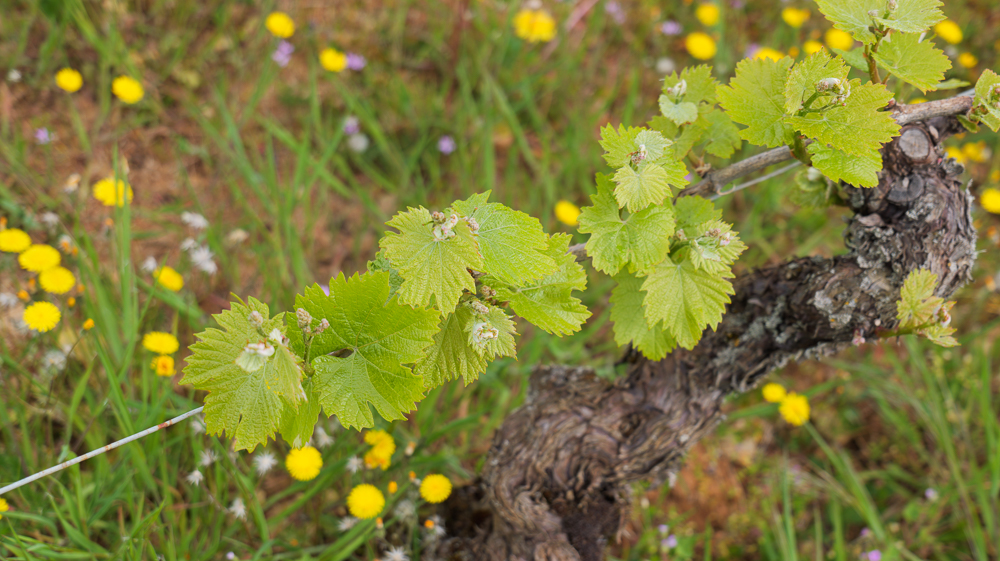
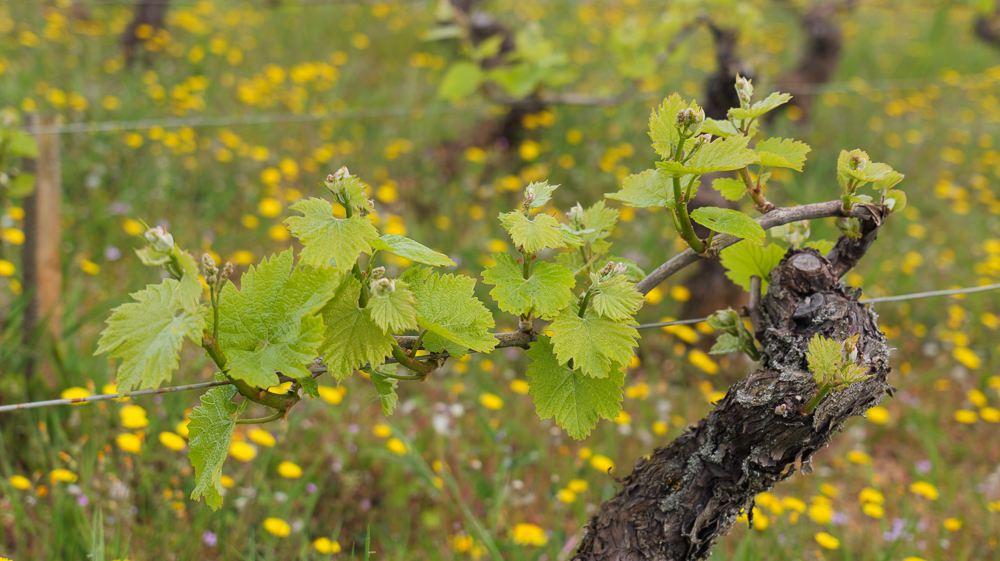
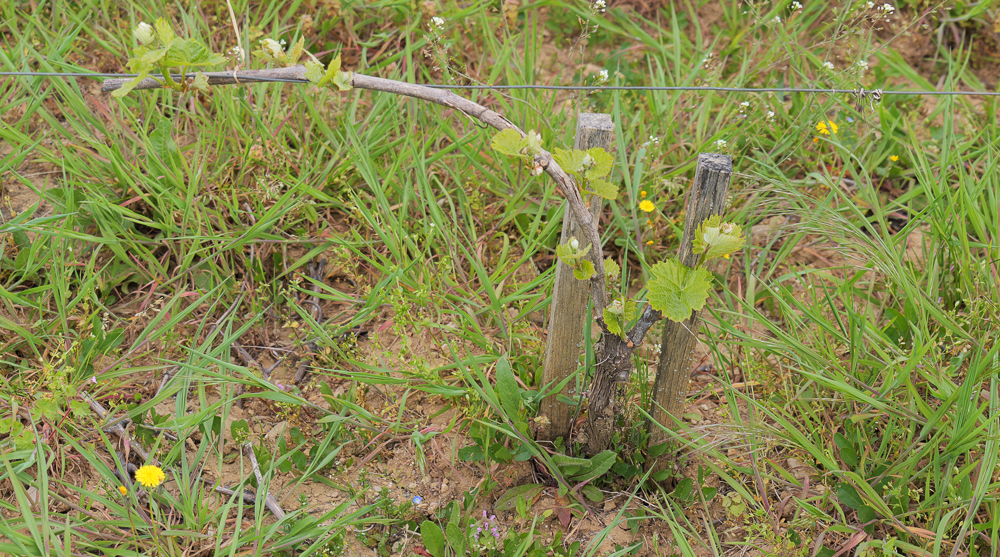
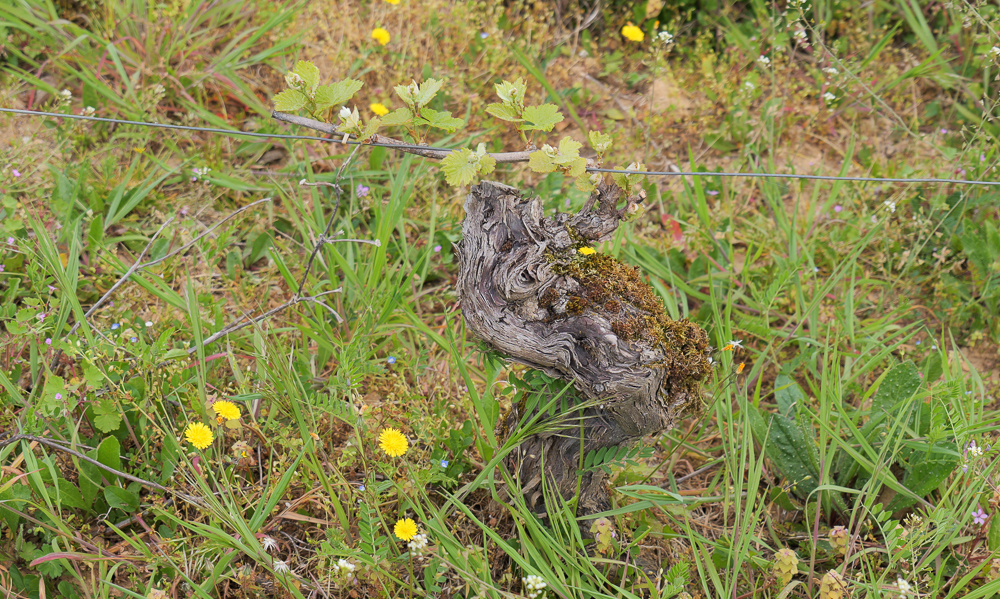
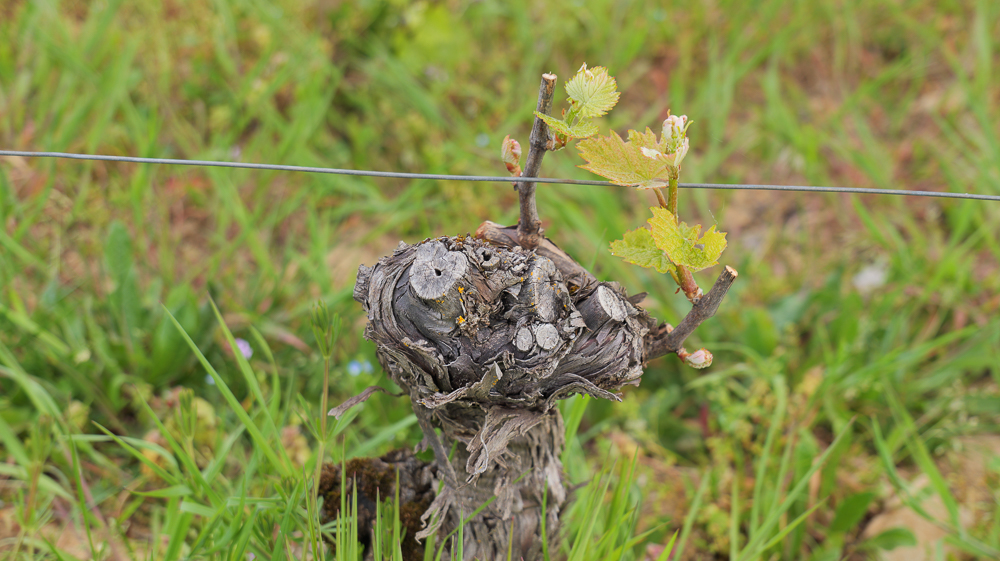
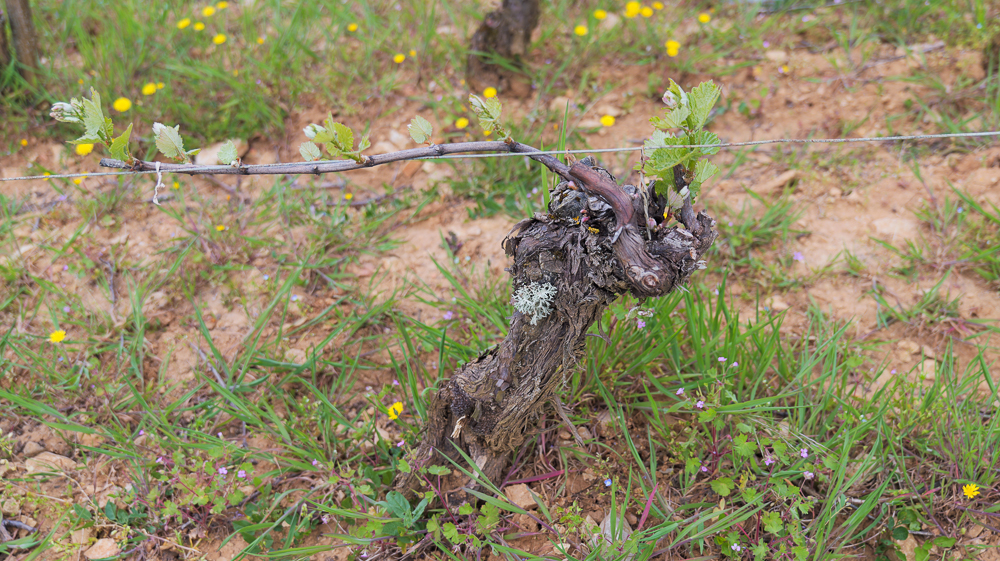
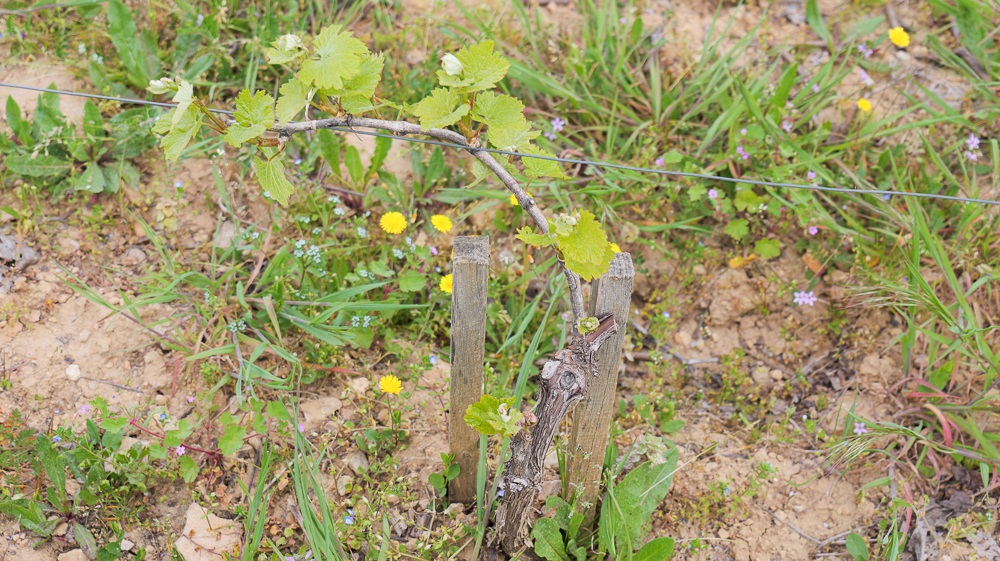
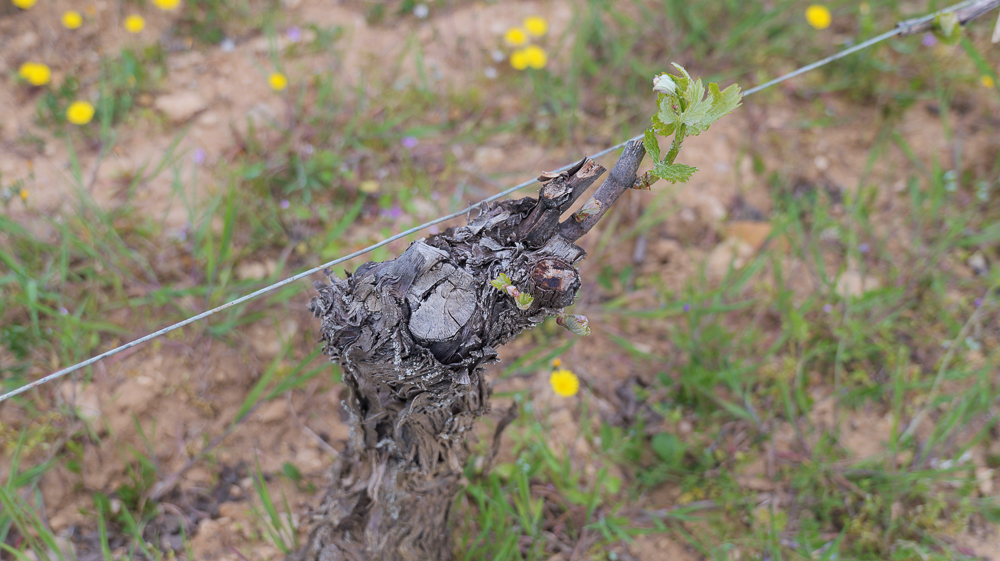
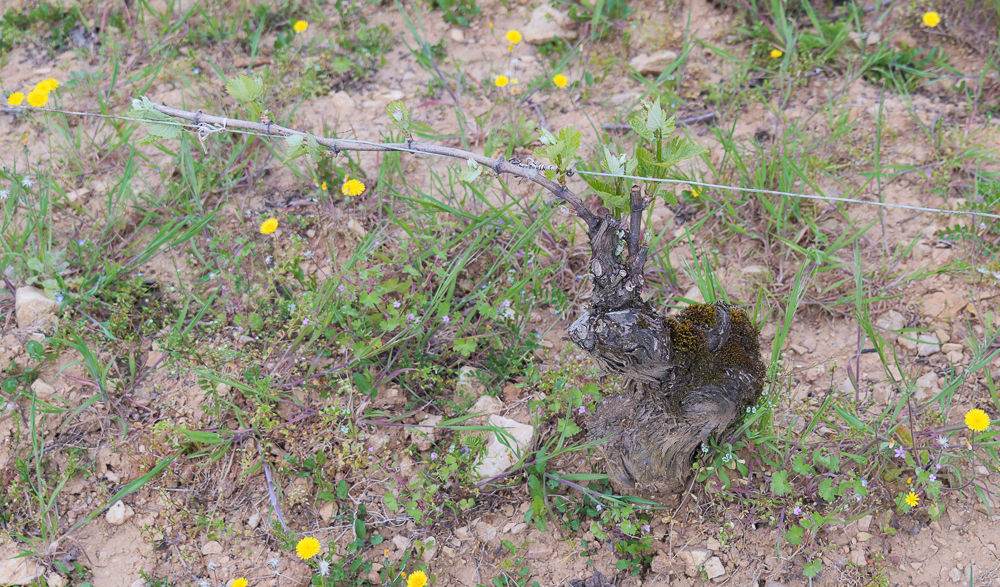
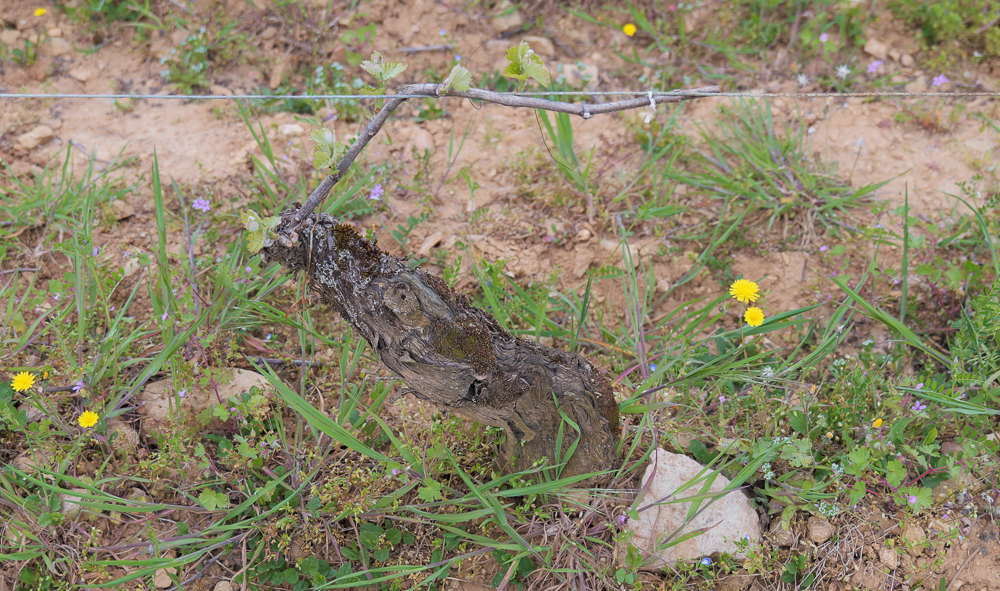
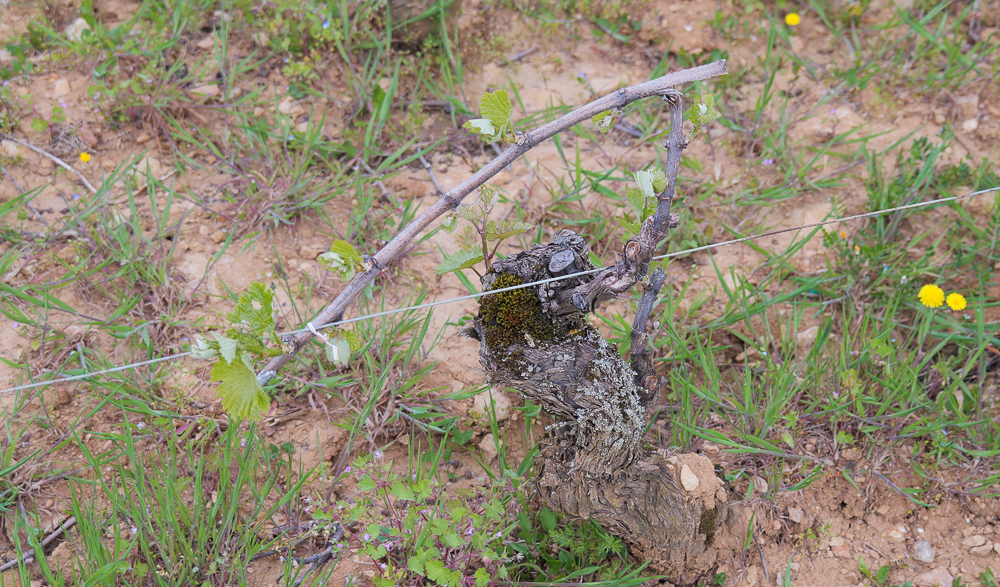
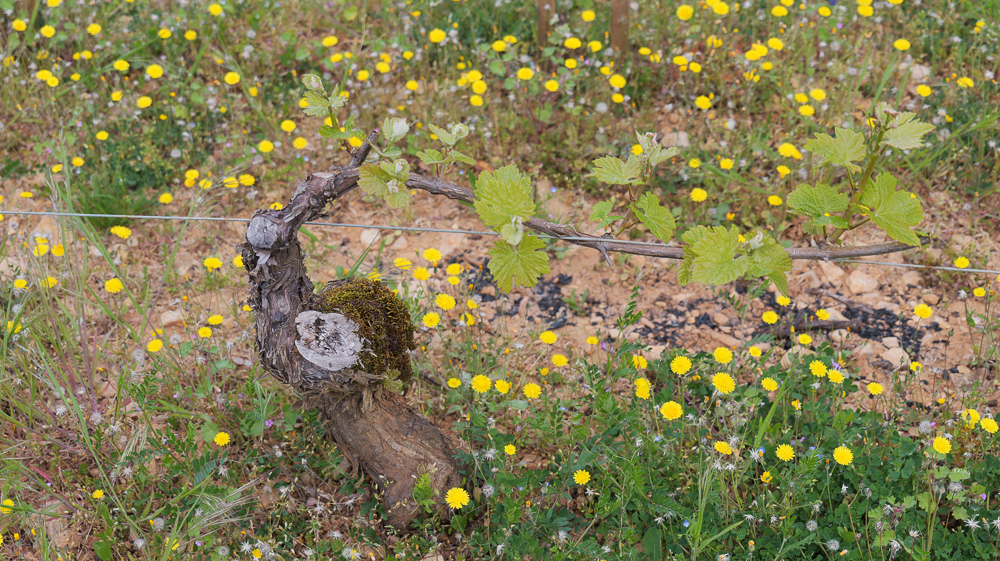
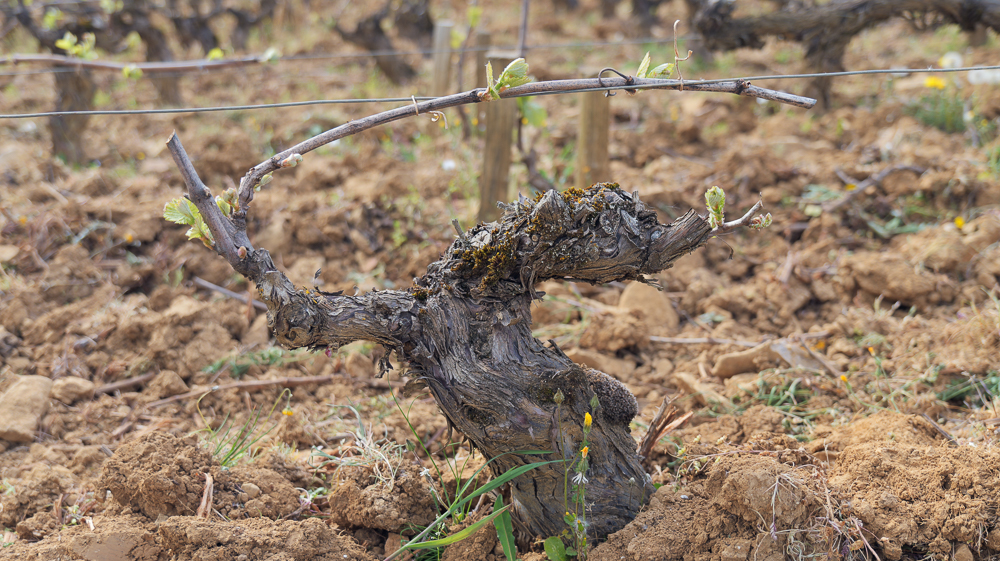
I was recently filming in Bourgogne (Burgundy), and there were lots of gaps while cameras and lighting were being set up. So I went to look at the vines. It was early April and the buds had burst and the leaves were coming out. It’s a good time to see the way the vines are pruned. Here are a bunch of pictures showing some of the variation, almost all taken in Grand Cru Corton Charlemagne vineyards.
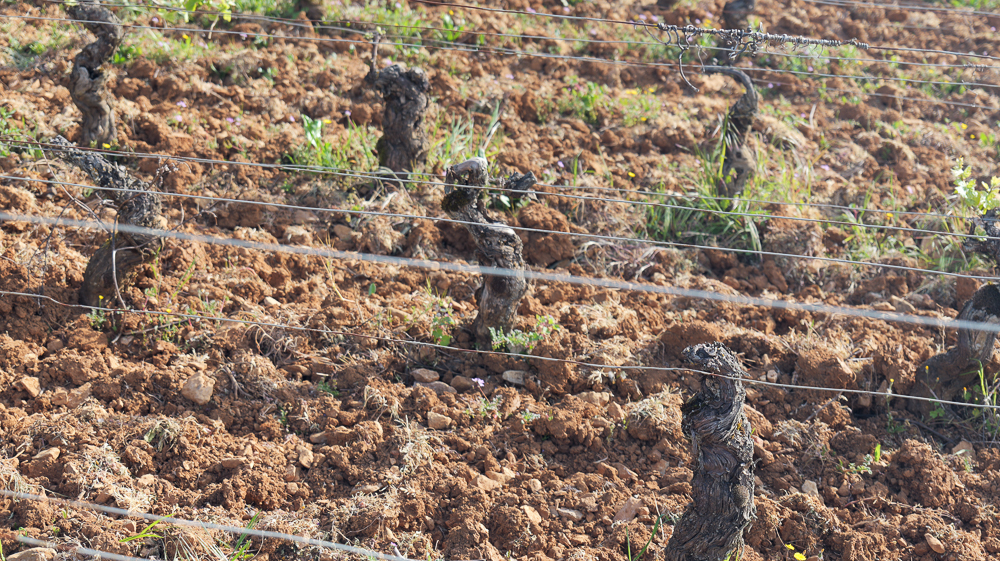
Viticulture is quite uniform here. Vines are planted at high density, with 10 000 of them per hectare, and 1 x 1 m spacing. The fruiting wire is low at around 30 cm. The vines are single-Guyot pruned, with a short cane of 6-8 buds, and a two bud replacement spur if there’s one to be found. Each vine is only being asked to ripen a small quantity of grapes because of the close spacing. Canopies aren’t high and because of the spacing, over-row tractors are used, stradding the row they are treating.
I saw very little herbicide use: these are expensive vineyards, and almost everyone works the soil. In less fancy vineyards, the situation might be different. Once you leave the more celebrated appellations vineyards can look quite different in terms of spacing and pruning (for example, the Hautes Côtes).