Exploring the Hunter Valley (2) judging the Hunter Valley Wine Show
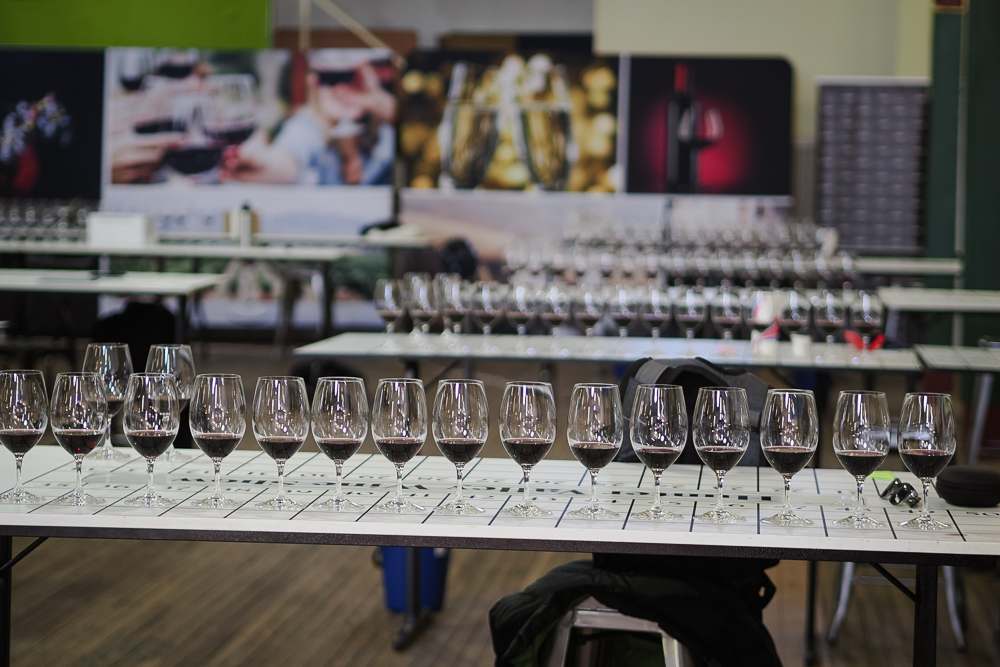
Tell your friends that you’ve just been in the Hunter Valley judging 80 wines a day with nice people, they’ll probably say you’ve been on holiday. Let me tell you: judging a wine show is hard work. Rewarding, interesting and educational, for sure, but proper hard work.
This year I was asked to be the overseas judge for the Hunter Valley Wine Show. In Australia the show system is an important part of the wine ecosystem, and winemakers are very keen to be show judges. But it’s a long way to the top. Typically, prospective judges will do the Australian Wine Research Institute AWAC (Advance Wine Assessment Course), and then spend time working as wine show stewards, and then apprentices before they land a judging position. So it’s a big deal to be asked to be an overseas judge and take up one of those precious slots.
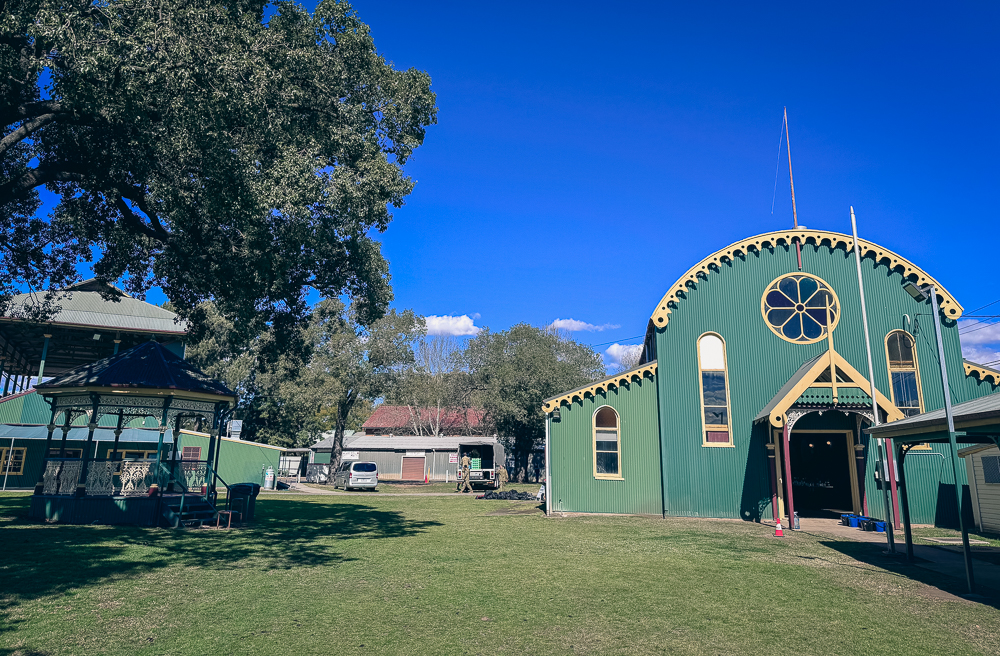
The Hunter show is one of the regional shows. There are also national shows, judging wines from across the country. I really like the idea of regional shows. As a judge, you get a deep dive into the region, tasting so many different wines next to each other. And then the fact that you are in the region means there is a chance to meet with winemakers, visit a few wineries, and generally get under the skin of the region aside from the judging process itself.
This was the 54th edition of the Hunter show, and over 650 wines were entered from 69 producers.
Day 1
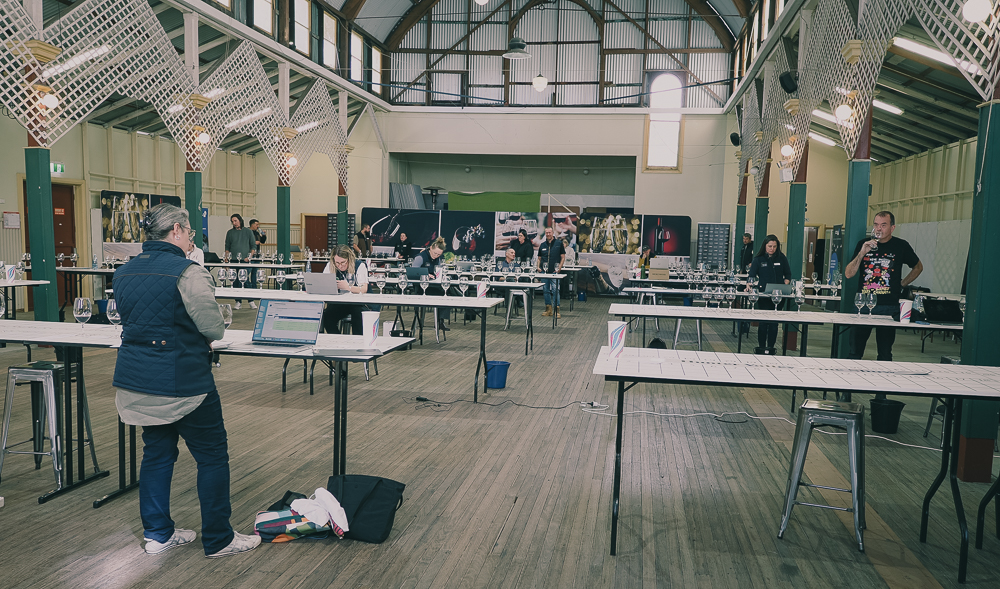
So, day 1. The first flight of the day was 21 Chardonnays from the 2024 vintage. This was pretty solid, and I awarded one gold, 7 slivers and 11 bronzes (but I was one of three judges and two associates on the panel, so each of our scores is just the starting point of the discussion). Many of the wines showed lovely fruit purity coupled with good acidity. There weren’t any big oak monsters: overall the oak use was really well managed. What happens with this judging process is that our scores and notes are entered into the system, then when everyone has finished judging we can see all the scores and notes for each wine, which helps us then discuss them, where this is needed.
The panel chair then decides which wines to call back, and these are randomized and referred to by letter rather than number, so we are effectively judging them afresh. Also, it stops people from being attached to ‘their’ gold. Anything with significant support (one or two golds, and then some high silvers) is likely to be called back so we can have another look. From this set of five or six wines (occasionally more for a strong category), we decide on the golds. And the competition chair comes and looks at these wines too: this helps with consistency, because they look at all the wines that have been called back from the three panels. And for big flights, they might be shared among two or three panels, so this benchmarking is needed.
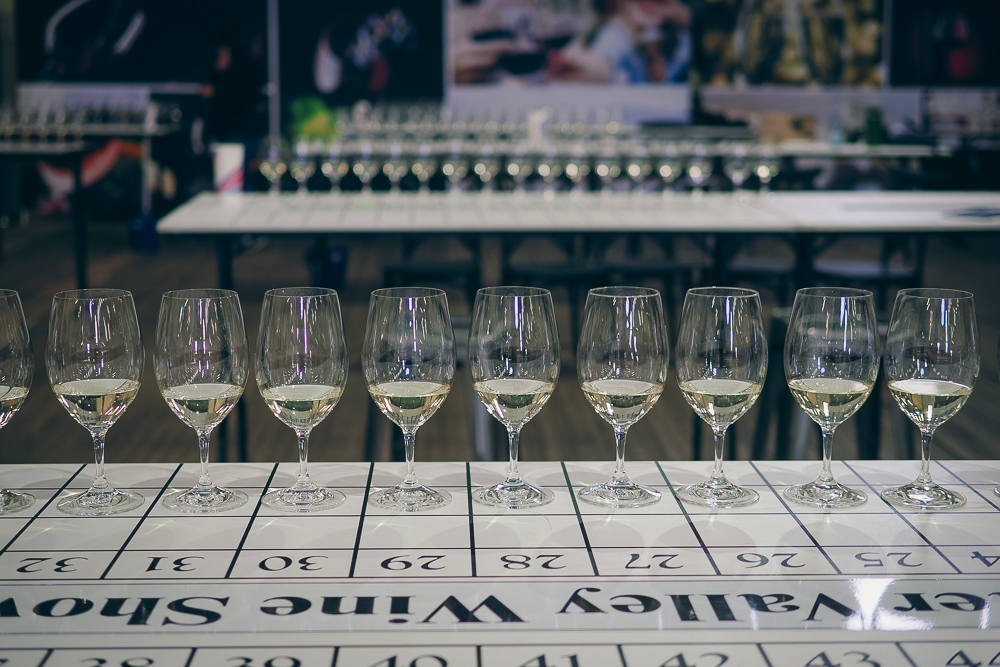
The second flight was quite a challenge: 23 Semillons from the 2025 vintage. It’s hard tasting these wines so young, but after a bit of discussion we found 4 golds from this, including one standout wine. I just don’t have experience with Hunter Semillon this young, so this was a learning experience.
Then we had 2025 Chardonnay. I liked some of these wines a lot, giving 3 golds and 5 silvers, as well as quite a few bronzes. Some of them were presumably more commercial, lower-priced offerings. But the best were quite thrilling. This took us through to a rather late lunch, at 1430.
The afternoon session: time for the star turn: 24 aged Hunter Semillons from 2018 back to 2006. I gave seven golds. This is a remarkable category to judge, because of the quality of the wines entered, and the uniqueness of this style. It was clear that the evolution of many of these wines is glacially slow.
Because there were so many potential golds here, there was no call back: instead we went back to the flight we’d already judged and pulled back around half the wines, looking at them in more detail. The merits of the older wines are a little clearer than with the young wines, so there were a closer agreement among the judges.
Day 2
Day 2 began with some more Semillon action, in the form of 24 wines from the 2026 vintage. These were just babies, and this makes judging tricky: this distinctive linear, high-acid style of wine very early in its life is difficult to assess. But that’s why we have panels. I gave no golds but dished out a few high silvers, and then when we did a call back of 6 wines, I gave two golds. The overall result from the panel was three golds, although there was quite a bit of variation in the panel for all but one, which got a full house of 95 point scores.
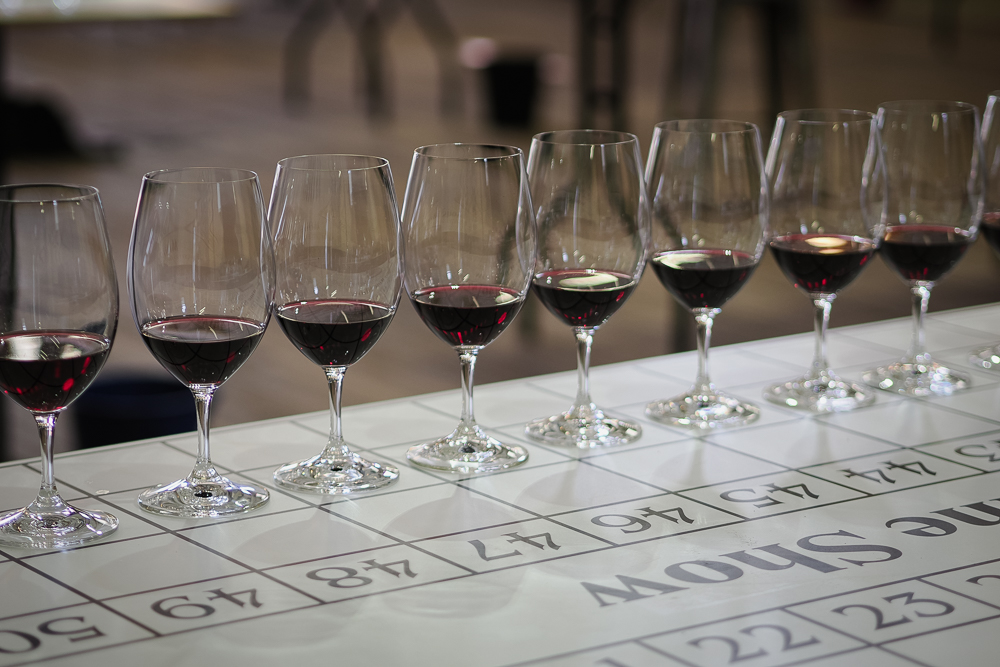
This was followed with the first reds I’d seen in the competition. A set of 18 Shiraz wines from 2024, which for many producers is current release. There was quite a diversity of styles, but we managed to identify four gold-medal-winning wines here. One was quite dense and rich, another elegant and nervous, another mid-weight and complex – you get the idea. It’s hard to put Hunter Shiraz in a box: there is a much broader palette of wine styles than with Semillon, which is a much more defined style. But the best Hunter Shiraz wines are really nice, and quite different to South Australian examples.
After lunch, back to Semillon, with more aged examples. This time it wasn’t a library class, but a more general class (there must be 50 dozen wines, whereas for the library category you don’t need to have so many bottles available).
Day 3
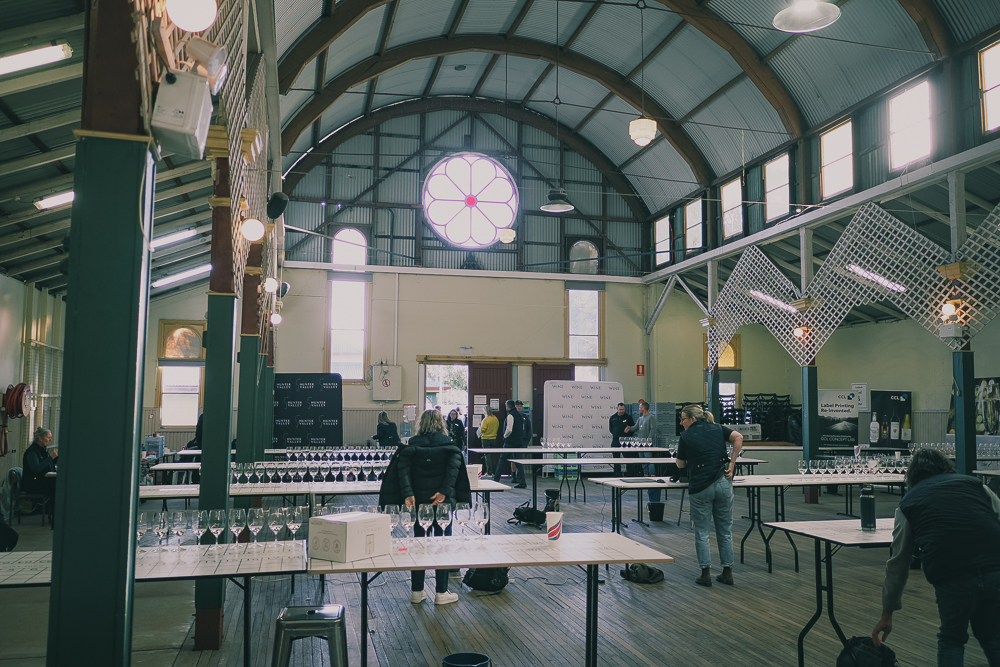
Day 3 involved three tasks. First of all I was asked to help judge the Provenance Class, which is where producers enter three different vintages of the same wine. We had quite a lot of Semillons, and a shorter list of Shiraz wines. This is an interesting exercise, and in the end the five of us (three panel chairs, the chair of show and me) managed to agree on one of each, and then decided to give the overall award to the Semillon.
And then in the afternoon, trophy judging. This is quite fun, seeing which wines have come through. Some of the decisions are already made by the competition chair and the panel chairs, who look through the golds for each category. But then all the judges are involved in the next level of trophy judging. For example, there has to be an overall red, an overall white, a Chardonnay, a Semillon and so on. So this process is quite exciting.
Finally, all the judging was done and the paperwork was signed, and I went round the back where I was free to try any of the wines entered into the competition. My specific job was to find the ‘silver bullet’ winner, which is a wine that might not have done well in the competition, and isn’t one of the star categories that are already well rewarded (Semillon, Shiraz and Chardonnay). So I tasted through a bunch of what might be called alternative varieties. There were some lovely wines and I came up with a shortlist of three: a partial skin-ferment Albariño, a Chenin Blanc and a Nero d’Avola. The Nero d’Avola was my final choice.
Day 4
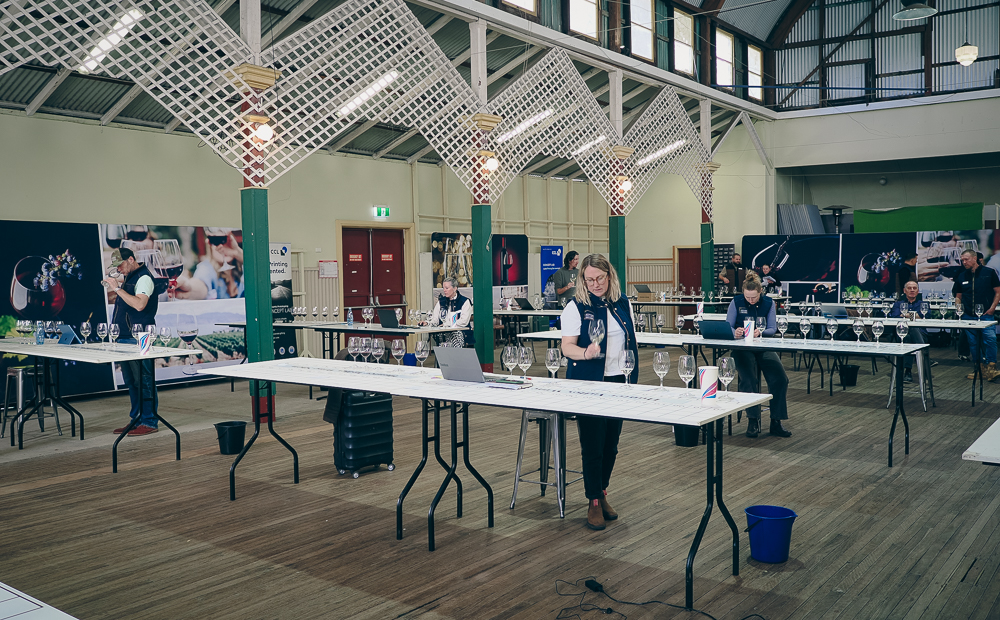
In the morning: the exhibitors tasting. All the wines entered were lined up, with an indication as to the result they got (but no trophy announcements). Those who exhibited were able to come and taste through. I joined in and tasted a bunch more wines, sighted this time. This was a very useful exercise.
Then in the afternoon, competition chair Toni Paterson and I went on some vineyard visits, looking at some of the regions most revered sites.
Day 5
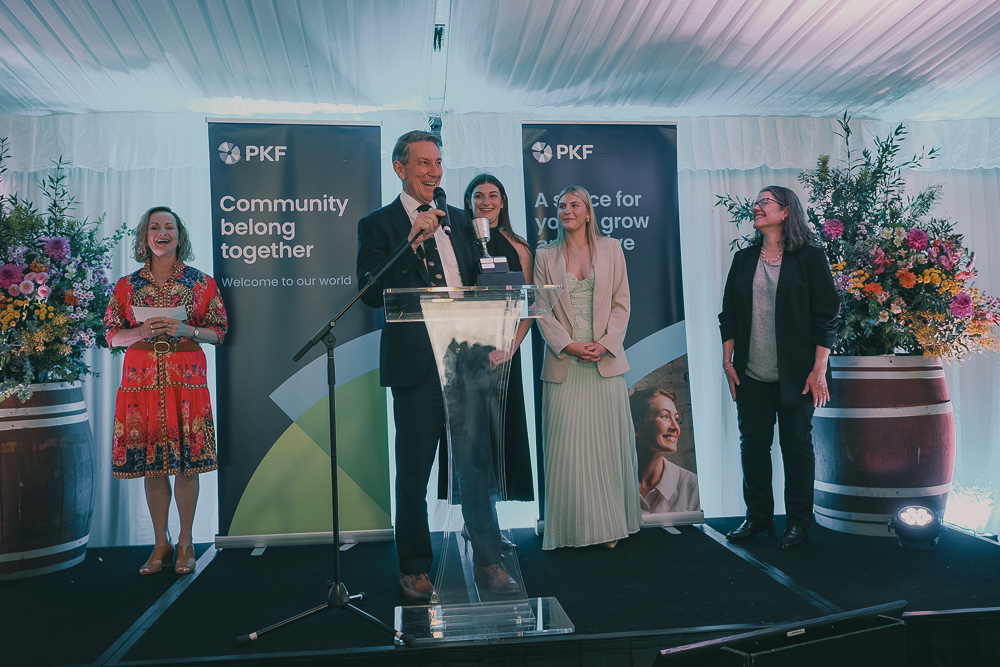
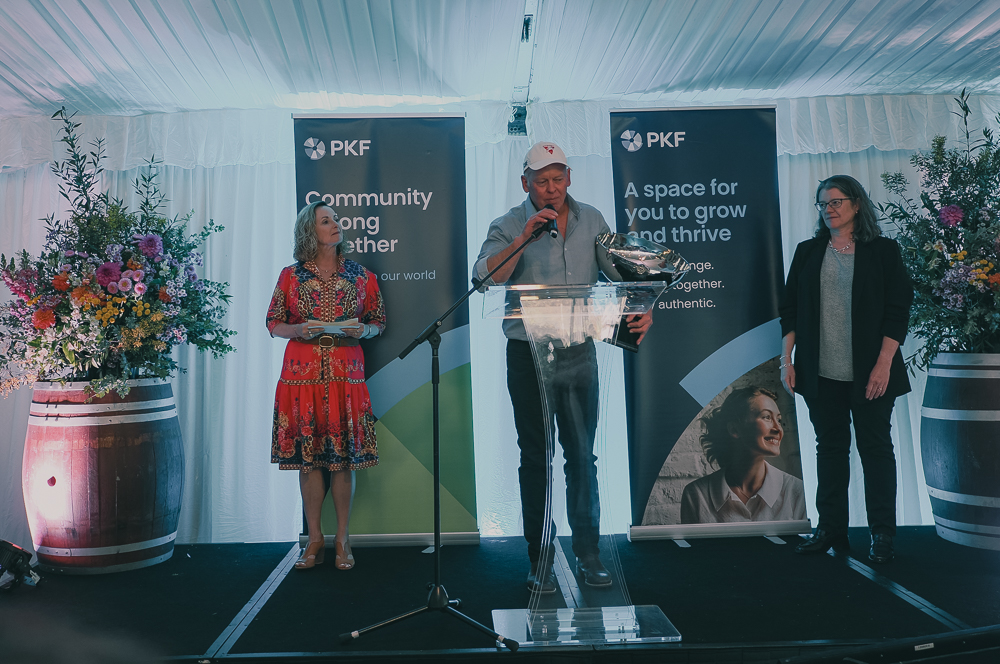
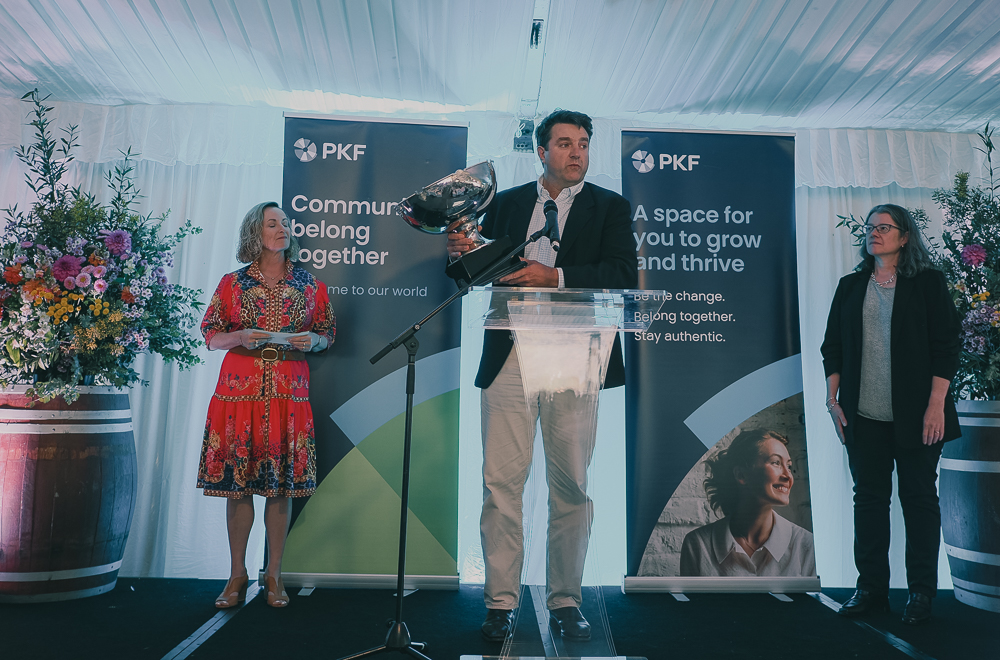
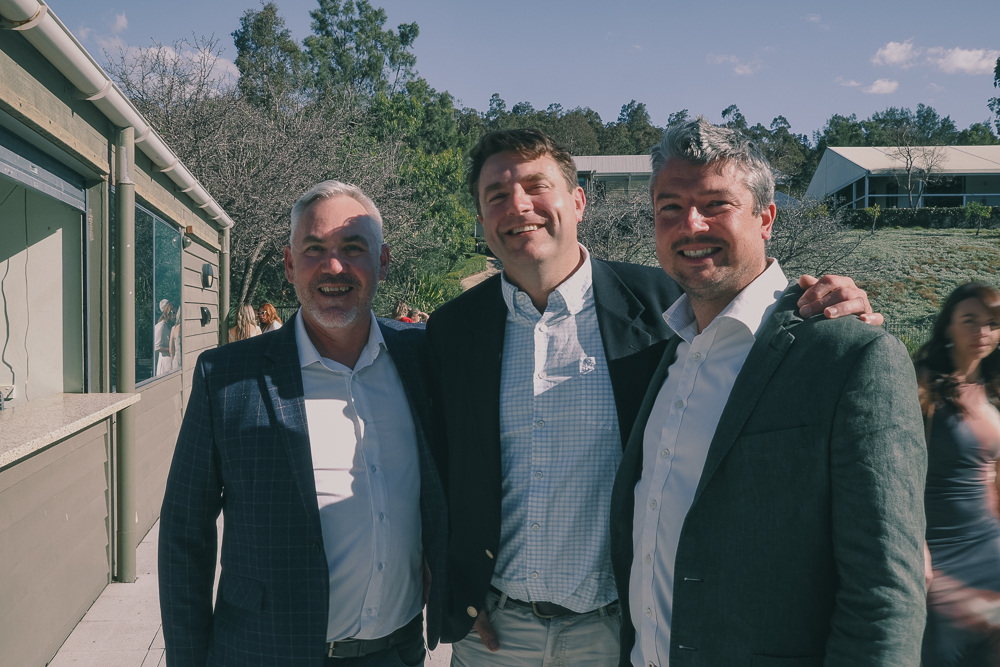
One thing remained: the awards lunch, which is a big deal in the region. Everyone gets dressed up, pretty much the whole Hunter wine community attends, and there’s a great lunch with gold-medal wines on the table, and an announcement of all the trophies. It was a lovely time. I had to give a short speech, as did Toni. It’s just so great to see everyone thrilled to be recognized in this way, and the trophies were nicely spread around this year.