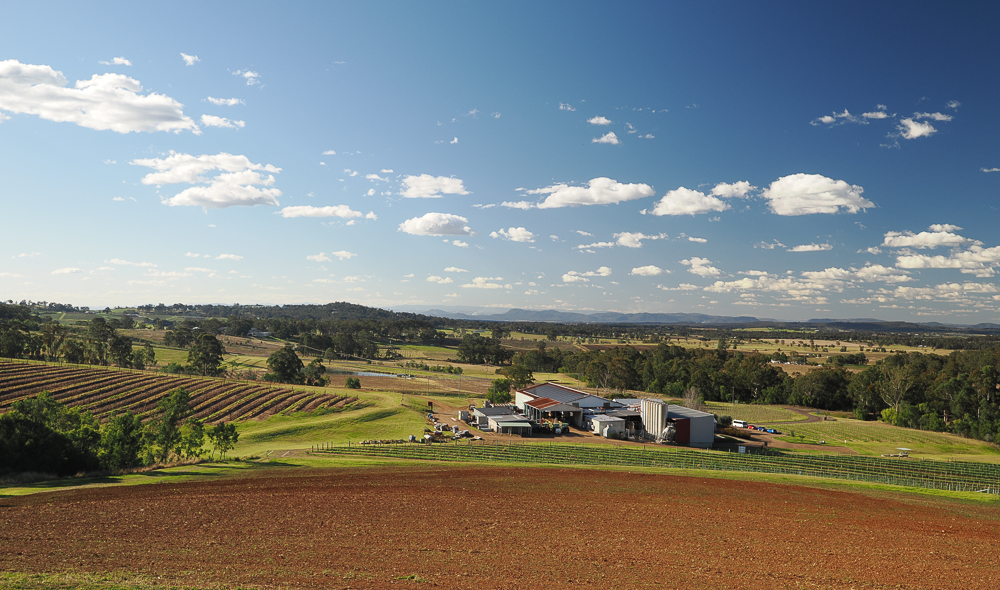
Exploring the Hunter Valley, Australia’s oldest wine region (1) introduction
It was almost 200 years ago, in 1828, when the Hunter Valley became a wine region. It’s the oldest in Australia, and for a while in the 19th century it was the largest. Now, it’s small, boutique and has a distinctive personality.
Despite the hot, humid climate this has been the source of some of the country’s leading wines, and long-term Hunter resident Maurice O’Shea was one of the most revered of all Australian winemakers, fashioning some astonishing red table wines in an era when the industry focus was largely on fortifieds.
And Hunter Valley Semillon is one of Australia’s iconic wine styles, made in a crisp, lean tight style that then morphs with many years in bottle into something that’s toasty and intricate.
Located just 160 km (2 hours’ drive) from Sydney, the Hunter thrived in part because of this proximity to a major city, and is now an important tourism destination.
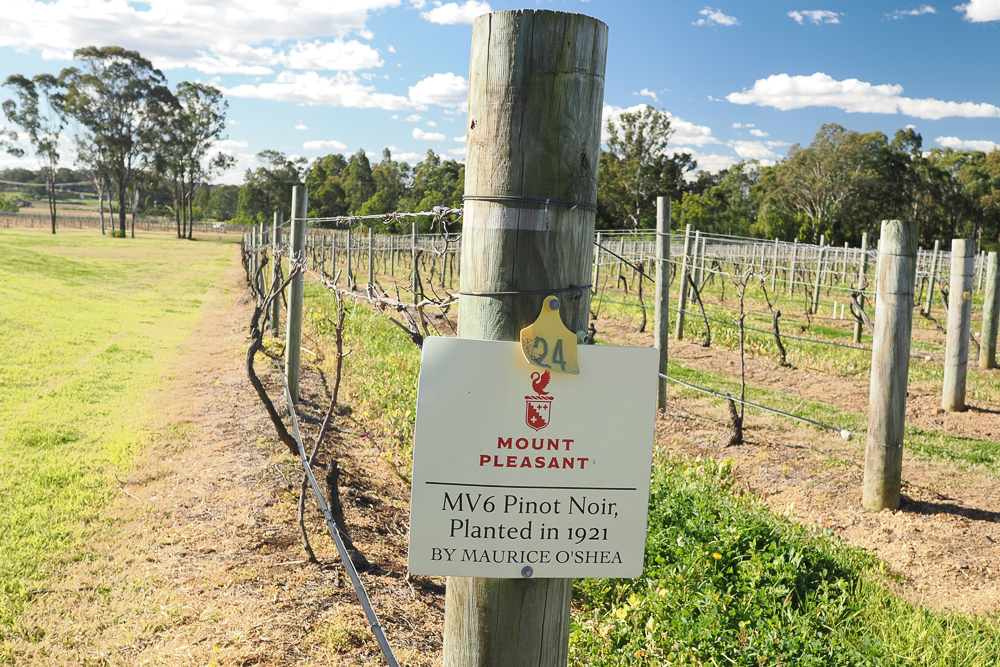
Many of the early pioneers such as Lindemans and Wyndham are still important names in the Australian wine scene, and then later the likes of Tyrrell’s and McWilliams helped grow the reputation of the region. And in Maurice O’Shea, who established Mount Pleasant in 1921, and went on to make some of Australia’s most sought-after wines that aged beautifully we have one of the country’s true wine legends.
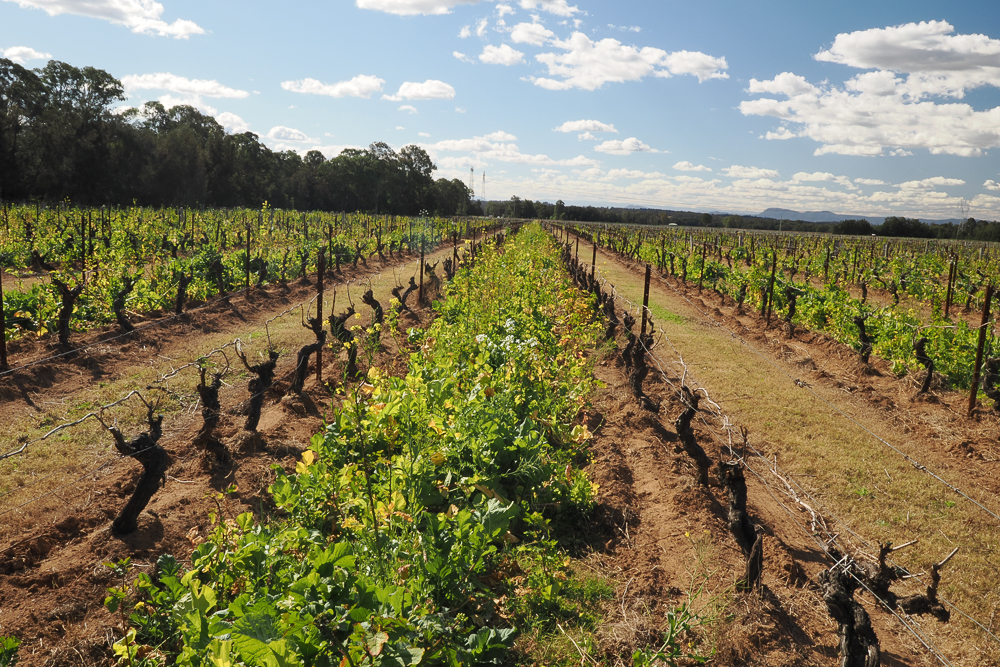
There are now 2600 hectares of vines here with 150 wineries, so it is a small region, and of late more vines have been removed than have been planted. But some of the vineyards that have been uprooted were suboptimal. The real challenge is in making sure that the good old vineyards (and the Hunter has lots of these) stay in the ground in the face of rising real estate values.
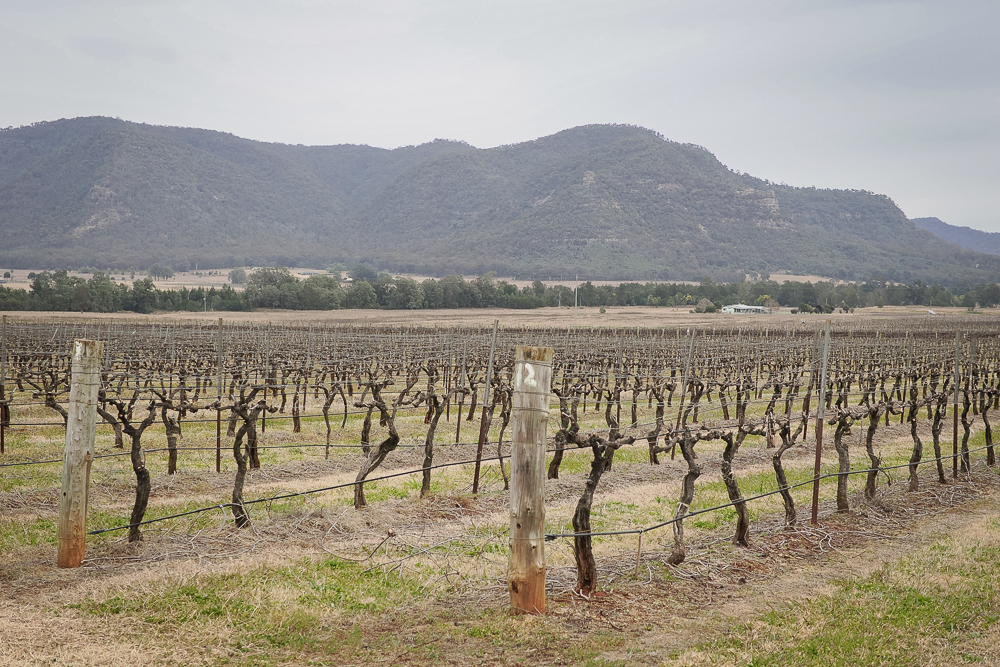
The region, which is found in the foothills of the Brokeback Range, is split into the Lower Hunter, around Pokolbin, and the Upper Hunter. The Lower Hunter is where most of the region’s well known wineries are located.
The surprise ticket from the Hunter is its Semillon, which is a unique style. It’s not a variety that you’d expect to do well in a warm-climate region such as this, but it has grown to become a unique style. The grapes are picked quite early with relatively low potential alcohol, at around 11 per cent. They are fermented in stainless steel to yield a fairly tart, bright, slightly neutral white wine. But then time in bottle transforms this into a complex wine with toast, lanolin and spice aromas, as well as zippy citrus fruit. It ages fabulously, and the switch to screwcap from cork has enhanced the consistency of this ageing: in the past, there was too much variation and even failure because of the closure.
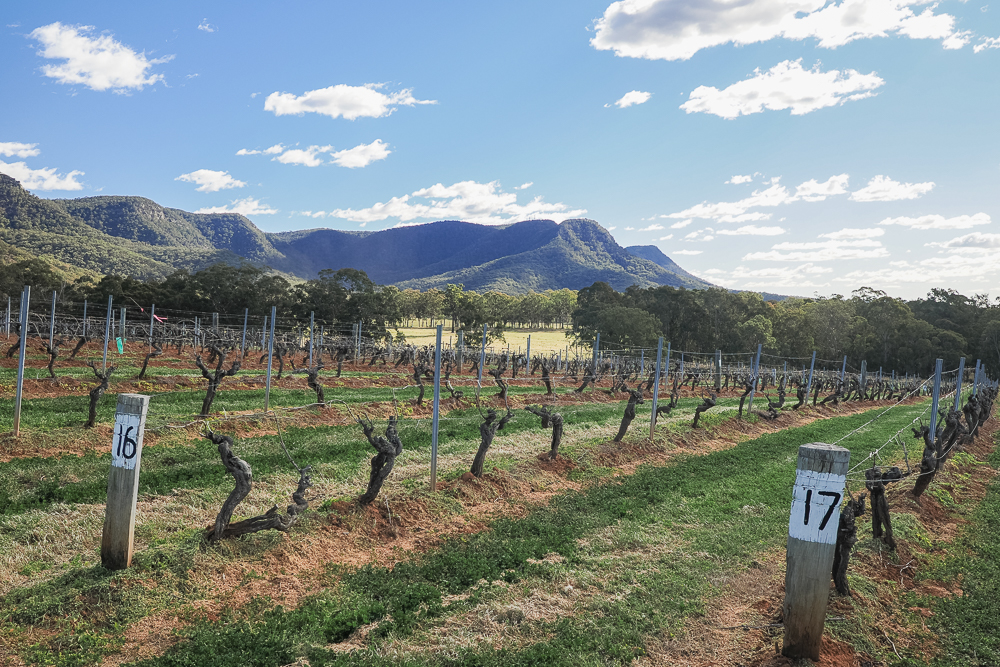
And Shiraz also excels: Brokenwood’s Graveyard Hermitage (now renamed Shiraz) has long been a classic that has great ageing potential. Aside from Semillon, the Hunter has also been an important part of the Australian Chardonnay story, with Tyrrell’s Vat 47 making a strong claim to being Australia’s first commercial Chardonnay bottling back in 1971. Their HVD vineyard, planted in 1908, has some of the world’s oldest Chardonnay vines.
Semillon is the dominant variety in the Hunter, making up just over 30 per cent of plantings. Next up is Shiraz, the ever-adaptable variety that does so well here too. And Chardonnay makes up the third of the region’s viticultural specialities, capable of turning out complex and sometimes ageworthy examples. There are a range of other varieties found here, notably Verdelho, which makes crisp, focused whites, and makes up 14 per cent of plantings here.
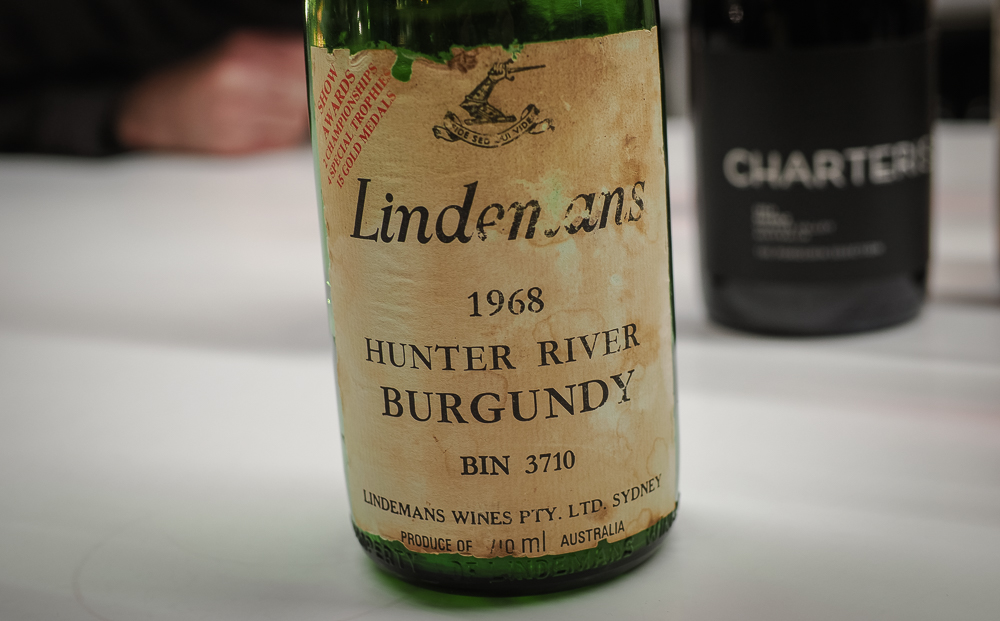
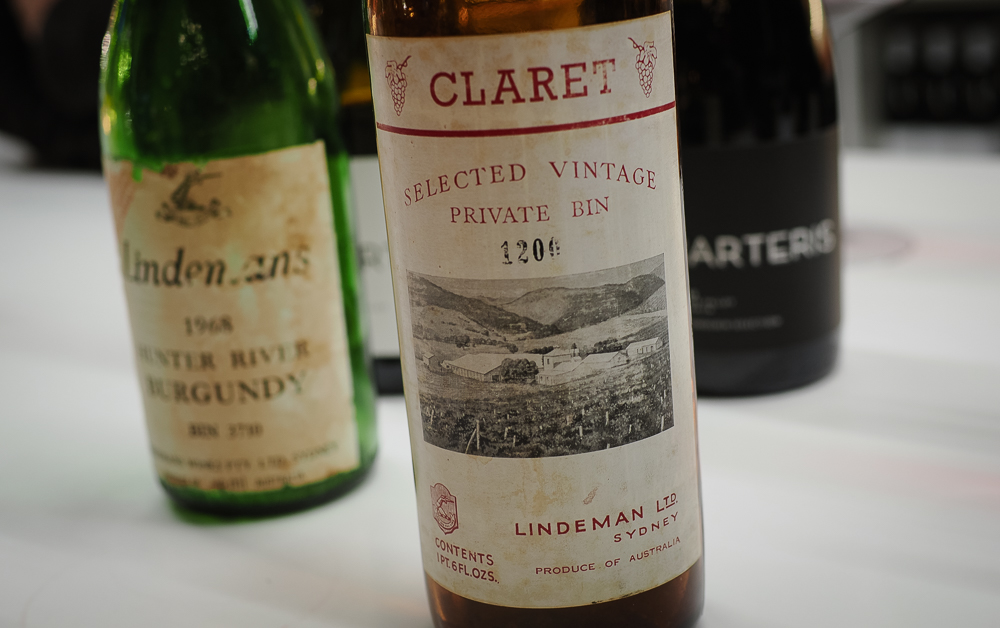
Alternative varieties are looking interesting. The front runner is probably Albariño, which does well here. Fiano shows promise; Pecorino may ripen a little too fast. I tasted a really good Nero d’Avola, and an interesting Sangiovese. Can we include Pinot Noir here? It has been present in the Hunter for a long time, and forms half of a very interesting historic blend with Shiraz. But it’s also doing quite well on its own.
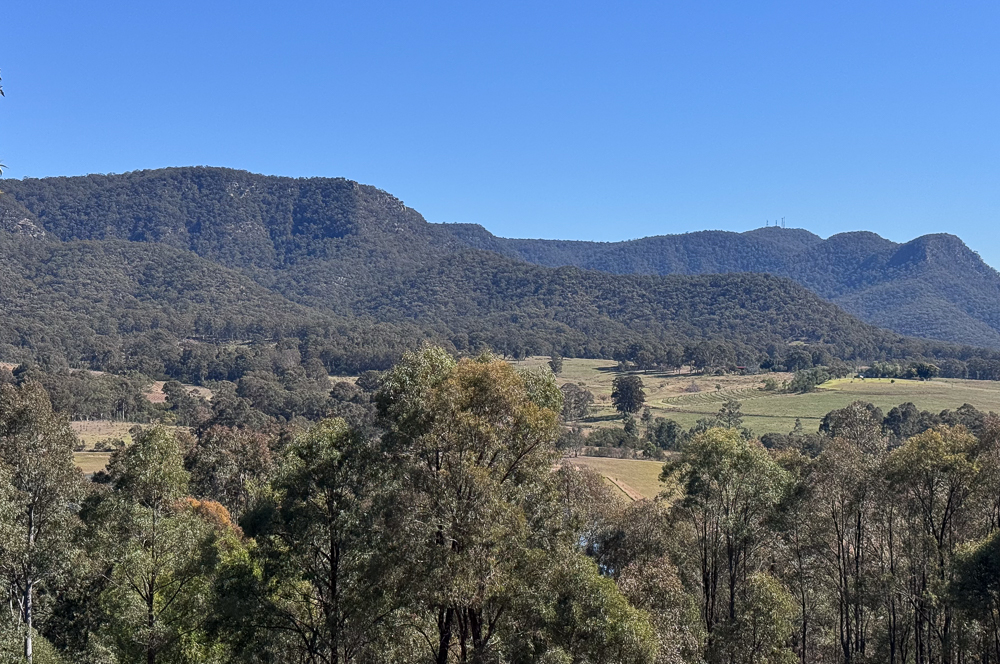
I spent just under a week in the region in August 2026, during which I judged the Hunter Valley Wine Show. And I came away enthused.