Exploring Vinho Verde: Quinta de Santiago
Website: https://quintadesantiago.pt/en/
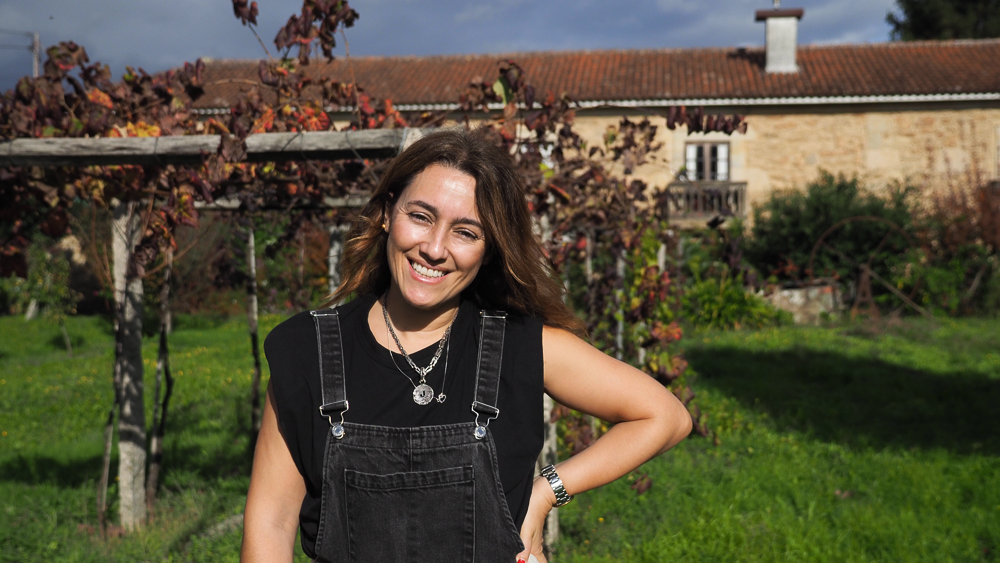
Joana Santiago came to work at her family estate in 2009 after 15 years as a lawyer. Previously, the grapes had gone to the cooperative, but now it was time for them to be made into the wines at the quinta itself, which has 9 hectares planted to vines.
The farm is in Monçao, close to the Minho river, planted on alluvial terraces. Soils are clay over granitic bedrock, and depending on where we are on the estate, the amount of clay and granite varies. There’s a natural water supply here, and some of the parcels are irrigated.
The fact that they are near the river means that they are close to Spain (the Minho is the border). The property has been in the family since 1899.
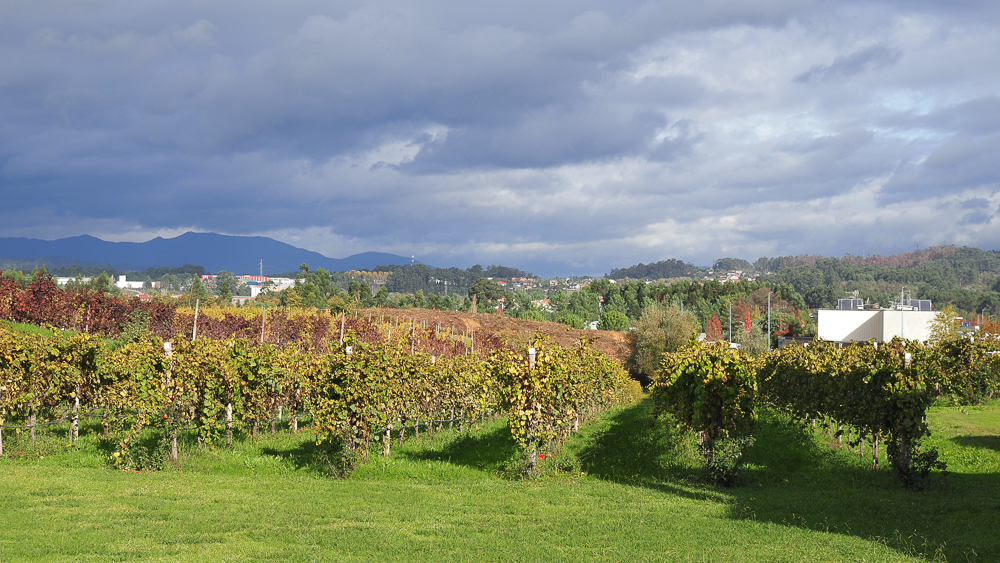
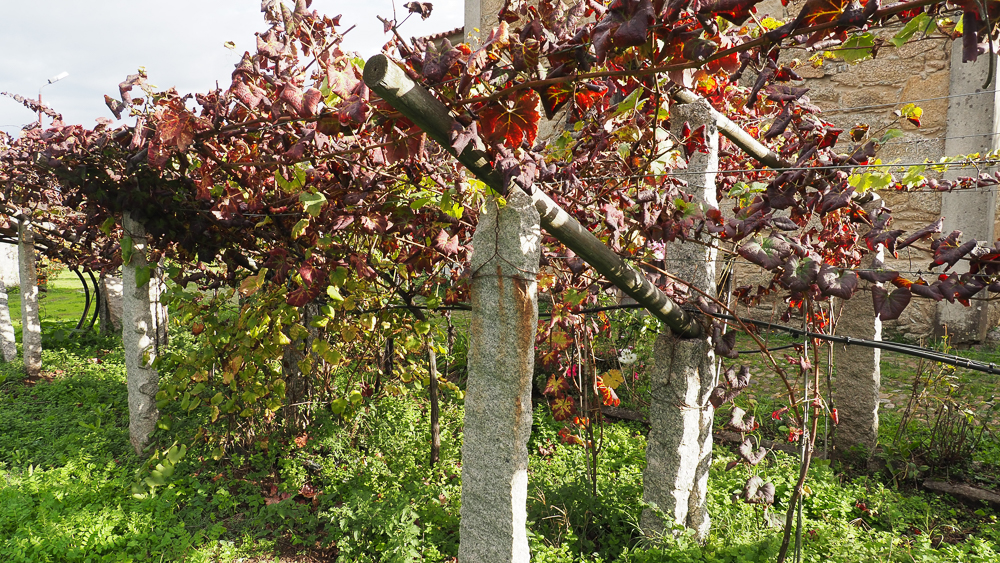
Most of the vineyard is now Alvarinho, with some Loureiro, but in the past Alvarelhão (a red grape that makes lighter wines) was the main grape. ‘I couldn’t find any pictures of my grandmother with white grapes,’ says Joana. So, during covid, she began grapting over to more red grapes, including more Alvarelhão, but also some red varieties from Ribera Sacra.
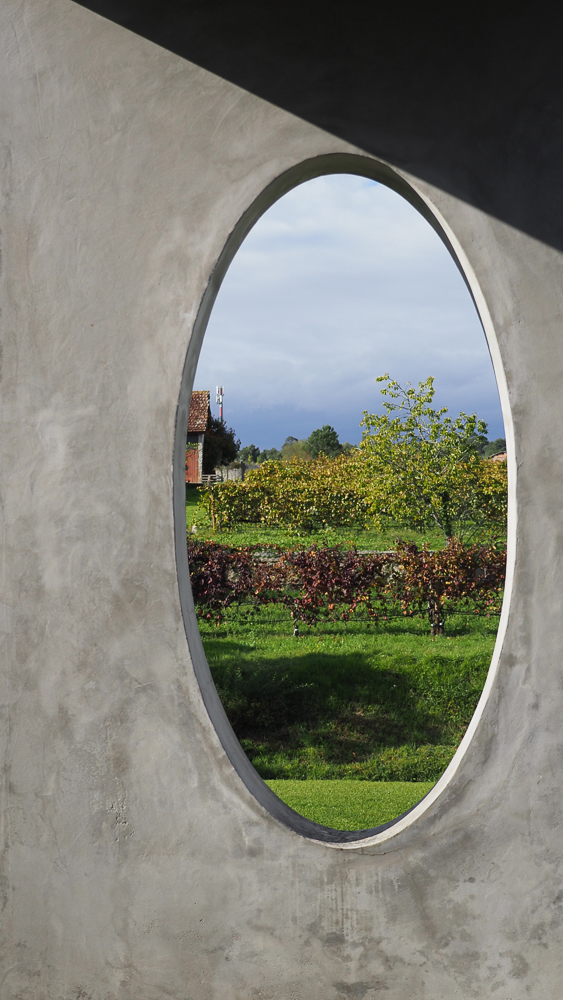
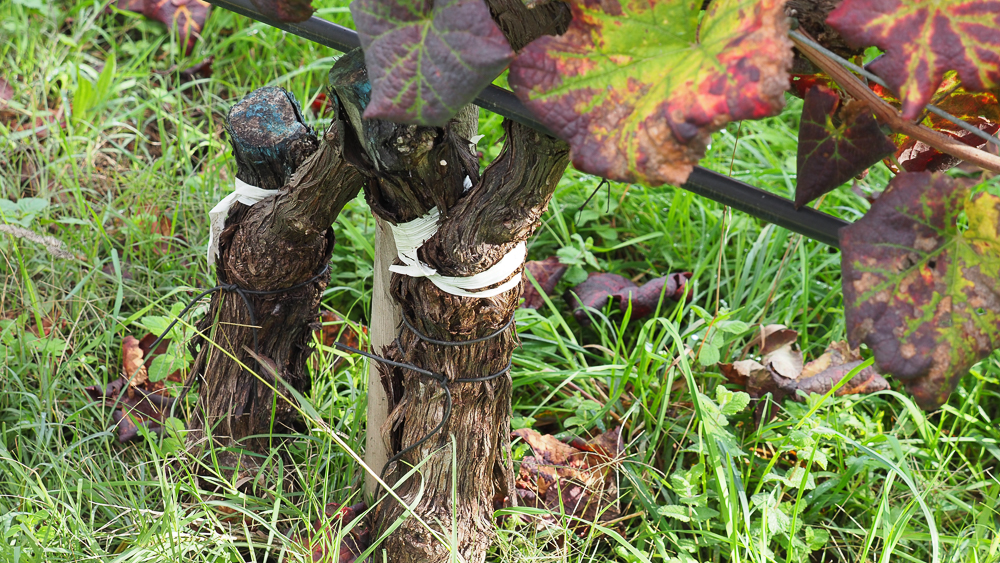
She’s also grafted in some Treixadura. ‘It has a reputation for being a boring variety with 10% alcohol and 5 g/l acidity,’ she says. But Joana remembers talking to her grandmother who said that in the past it was used to give acidity and also lower the alcohol levels. So she sourced 50 year old material for regrafting with, worried that the 1990s clones were the problem.
In 2018 she began making a collaborative wine called Sou with Nuno Miro Do Ó. ‘In this area it’s traditional to have 13 or 13.5% alcohol,’ says Joana. ‘Nuno said pick at 11.5/12%. I have a curious mind and I was learning, so I said, maybe you are right.’ They made the wine together, it worked, and this is when she changed the harvest time for all her wines. She also did wild fermentations, and her existing winemaker pushed back a bit, so she started working more with Nuno. Her winemaker said he was done: ‘you don’t do anything I’m saying.’ Nuno got the job.
‘Everything started to be much more exciting: you feel the wines are more authentic.’ Joana had worked for 12 years in a single law practice, but she decided that with the wine project, she’d never work alone. ‘I like to share and discuss what we are doing,’ she says. ‘Nuno tastes so well it’s a big help.’ In the winery she decides what happens, and Nuno gives validation. ‘When I started making wine I found I had a natural sensibility for it,’ she says. ‘If you ask me how I did it, I can’t tell you: it’s an instinct.’
It was 2010 when she started working at the winery, and when she made the Druida 2012, this was the wine that convinced her to go full time with wine. From 2012-2014 she made wine in other peoples’ cellars, but in 2014 she built the current winery.
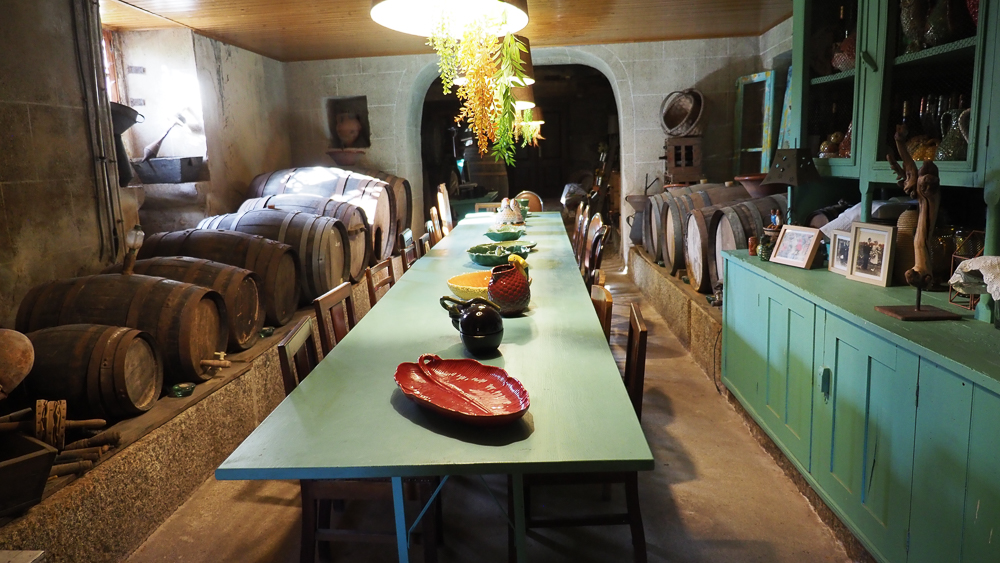
In 2019 Joana did an experiment with malolactic and really liked it. This isn’t common in the region, which focuses more on fruit expression. It gives more secondary aromas and saltiness. None of the wines have more than 20 ppm sulfites. These are natural wines.
She exports 70% of production.
THE WINES
Quinta de Santiago Alvarinho 2024 Vinho Verde, Portugal
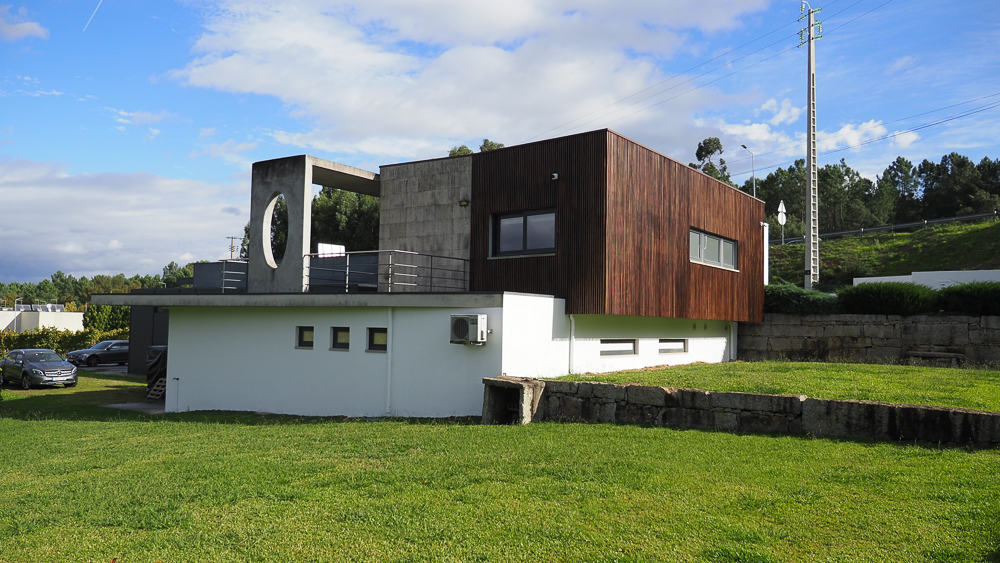
13% alcohol. This is the wine that Joana started making with her grandmother, and until 2015 this was the only wine they made. Stainless steel, aged on fine lees for six months, 50% malolactic. Lovely purity and energy here with bright citrussy fruit and good mineral intensity, with a lemony finish. There’s a bit of texture, but it’s also linear and pure. Nice intensity, with a subtle crystalline quality to the finish. 93/100
Quinta de Santiago Alvarinho Reserva 2022 Vinho Verde, Portugal
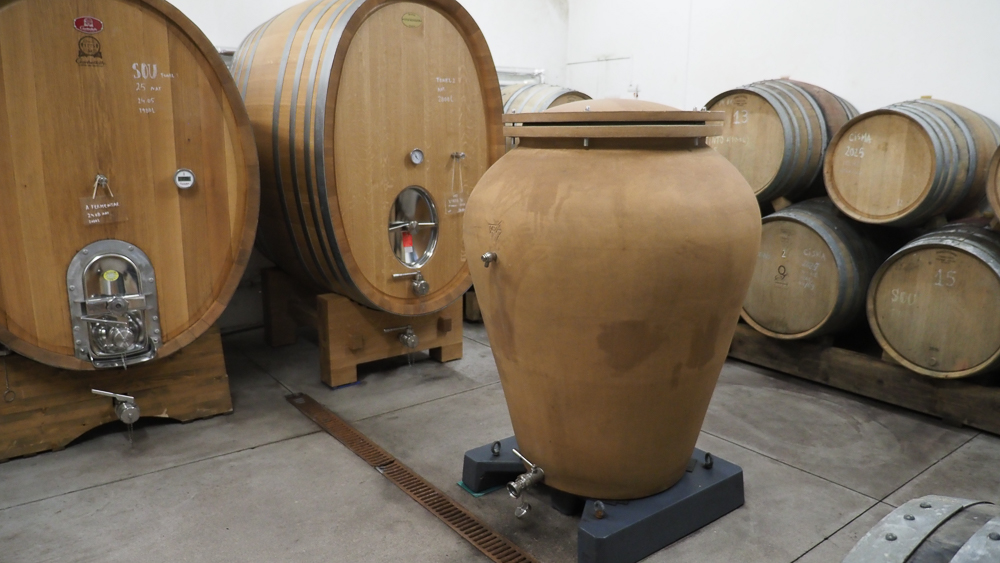
This is a tribute to Joana’s grandmother who never made wine in stainless steel. People weren’t ready for this, fermented and aged in oak, so they started with the classic. Anselmo Mendes really opened the doors for everyone who wanted to use barrels. This is a single parcel, fermented and aged in old barrels and a 2000 litre cask. Full malolactic, aged 11 months on fermentation lees. Yellow gold in colour. This is full flavoured but still linear with pear and peach richness as well as crystalline citrus fruit. Refined and textural with amazing harmony and focus. Pure. 94/100
Quinta de Santiago Alvarinho Vinha de Chapim 2023 Vinho Verde, Portugal
A more granitic parcel, older vineyards, a more vertical and acidic wine so this needs more time. Stainless steel. pH 3 and doesn’t do malolactic. This has a lot of mint in the parcel. Vivid, linear, bright and focused with amazing mineral character. Vertical, for sure, linear and precise, but with good concentration of flavour. Lots of wet stone, keen acidity, and a hint of honey. 94/100
Quinta de Santiago Alvarinho Vinha do Pardal 2024 Vinho Verde, Portugal
Much more clay, younger vineyards. Stainless steel, does malolactic. Lovely intensity here: very fine and expressive with a wet stone, white pepper and crystalline citrus character. There are some interesting herbal notes here, too. So expressive, with lovely texture, finishing fine. 95/100
Quinta de Santiago and Mira do Ó Sou Alvarinho 2022 Vinho Verde, Portugal
13% alcohol. 50% stainless steel, then foudre and two barrels. Full malolalctic. Single parcel, more granitic, with some round pebbles. Joana thinks this is the best parcel they have here. This is beautifully aromatic with lovely crystalline citrus fruit. The palate is bold and full flavoured with textured, finely spiced citrus fruit as well as subtle saltiness and then some richer apricot and peach notes in the background. This is just beautiful. 95/100
Quinta de Santiago Rascunho 8th edition 2021 Vinho Verde, Portugal
12.5% alcohol. Each edition is a different wine. This was an early experiment of a no-added sulfites Alvarinho. The wine did the natural fermentation and two months later it was bottled, and kept for three years in the bottle. This is tight, fine, crystalline and spicy with lively lemony fruit and some grapefruit hints. Such energy and focus here with a saline twist on the finish. Lovely purity, finishing lemony and fine. 94/100
Quinta de Santiago Rascunho 9th Edition NV Vinho Verde, Portugal
Blend of five vintages, 2018-2022, solera in a 2500 litre vat. Stainless steel, each year took 500 litres and filled with the new vintage. Protect the wine with lees: each year she adds some fresh lees. It’s the base wine for sparkling, so it has good acid. This was bottled in 2023. Very fine and linear with a hint of creaminess under the lovely pear, apple and apricot fruit, with a wide dynamic range of flavours. There’s some richness and breadth, but also a yeasty spiciness as well as pure fruit. So beautiful and layered. 95/100
Quinta de Santiago Cisma Loureiro 2023 Vinho Verde, Portugal
11.5% alcohol. Loureiro, the most planted variety in the region. It came from Spain, through Monçao, to Lima. It’s a different expression here than it is in Lima. This is done in collaboration with Pedro Coelho of Pormenor. It does malolactic. This is pure and linear with lovely texture to the lemony fruit, with some pear notes too. Lovely weight and energy here with crystalline citrus and good acidity. But the dense fruit hides the acid really well. This is quite serious with a lovely mineral, saline twist, too. 94/100
Quinta de Santiago Alverelhão Rosé 2024 Vinho Verde, Portugal
Whole bunch pressed, soft pressing, full malolactic. This is crystalline with cherry and pear notes as well as a touch of citrus. This has a really nice texture with good weight and length. Very stylish. 92/100
Quinta de Santiago and Mira do Ó Tinto Vinha de Ramada 2022 Vinho Verde, Portugal
11.5% alcohol. 50% Ramada, 50% isn’t. 90% Alvarelhão, then Caiño, Borraçal and Pedral. 50% whole bunch. This is fresh and assertive with some bright cranberry and cherry fruit as well as sappy notes. Nice acid line. This is really good. 93/100
Quinta de Santiago and Mira do Ó Alvarelhão 2020 Vinho Verde, Portugal
11.5% alcohol, 50% whole bunch. This is stony and mineral with taut raspberry, cranberry and cherry fruit. Good acidity here with some brightness, finishing a little tart. 91/100
Quinta de Santiago Espumante 2022 Vinho Verde, Portugal
Alvarinho, classic method. Base wine aged for one year in stainless steel and old barrels (these do MLF) with a bit of flor. 18 months on lees. Use 2016 wine to give liqueur d’expedition. Brut Nature, but residual sugar is 5 g from the fermentation this year. This is focused, fruity and lively with nice brightness, showing lemons, pear, a hint of melon and a juicy, fresh finish. The emphasis is on the fruit here, and it’s really delightful and pure. 91/100