Highlights: Klein Constantia Vin de Constance 2023 South Africa
This is the latest vintage of one of the world’s great sweet wines. It’s the Vin de Constance from Klein Constantia. This was a wine that was globally famous, then production stopped, and then it was rebirthed. It’s a brilliant story.
In the 18th and 19th centuries, Constantia was one of the world’s great sweet wines, but it disappeared with the phylloxera crisis in the late 19th century. I got to try an 1875 Constantia once, which was a remarkable treat:
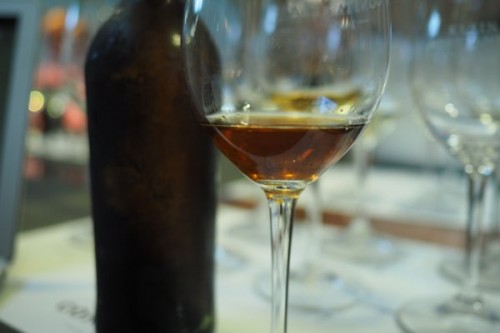
Constantia Sweet Wine 1875
Aromatics of leather, spices, old furniture. Raisins and table groups with some honey, too. Lovely aromatics: sweetly smelling and quite pristine. Honeyed and smooth on the palate with real harmony, and notes of barley sugar, grapes, stewed raisins, bread pudding and smooth honeyed harmony. There’s lovely weight here. Such a treat to drink this. 96/100 (it seems silly to rate this)
But since 1986 Klein Constantia have been making a sweet Constantia which they have labelled Vin de Constance based on the original wines that were made here. Back then, the original Constantia property was around 900 hectares. Part of the original vineyard is now suburbs, and the remainder is split into four properties: Klein Constantia, Buitenverwachting, Groot Constantia and Constantia Uitsig.
When the Jooste family bought the property in 1980, they were approached by a Stellenbosch University viticulturist, the late Professor Chris Orffer, who encouraged them to try to recreate the historical sweet wine. Orffer assisted the Klein Constantia team in their quest to produce something resembling the original as closely as possible, and through the skilled winemaking of the late Ross Gower, this was achieved.
Botrytis wasn’t a feature of the original Constantia wines, because it wasn’t present in the Cape at that time. For the sake of historical accuracy, therefore, Vin de Constance is a late-harvest style made from Muscat de Frontignan (aka Muscat Blanc à Petits Grains), without botrytis. First plantings of these Muscat vines were in 1982, and the first release of the new era Constantia was the 1986 vintage, released in 1990.
10% of the Muscat is picked early, to make a base wine at 12.5–13 % alcohol with good acidity. Then they go and pick raisined grapes. The remaining grapes are left to accumulate sugar, and leaf removal exposes the fruit to the sun, which helps raisin some of the remaining grapes. Then, the big pick takes place in three passages through the vineyard. Altogether, around 10% of the crop will be raisins. If the raisins have lots of sugar left in the skins, then the base wine is used to flush the flavour out. The skins are pressed quite hard, because tannins are an important part of the style. It’s not possible to settle this dirty juice, so it goes to barrels for fermentation.
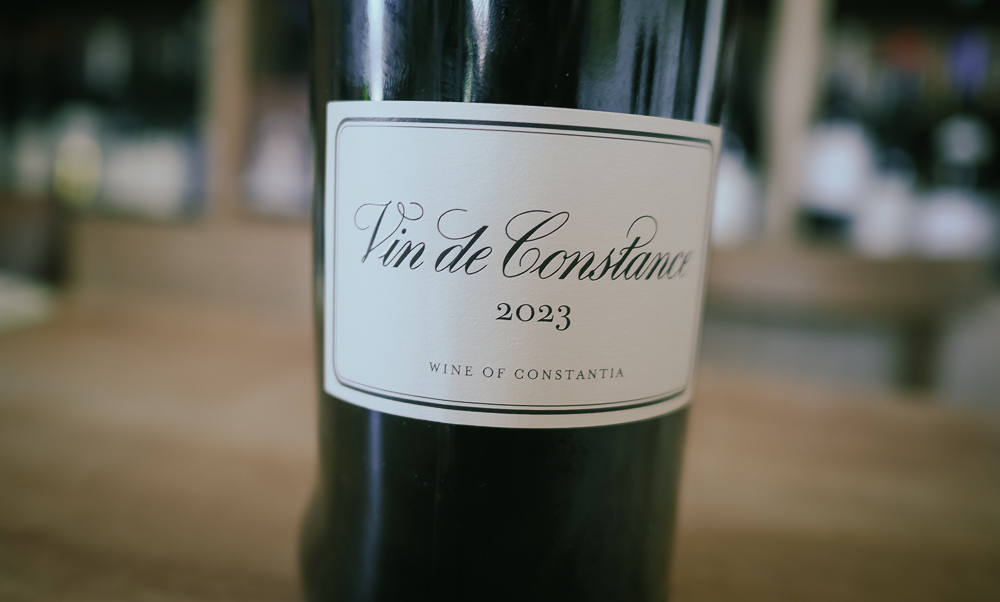
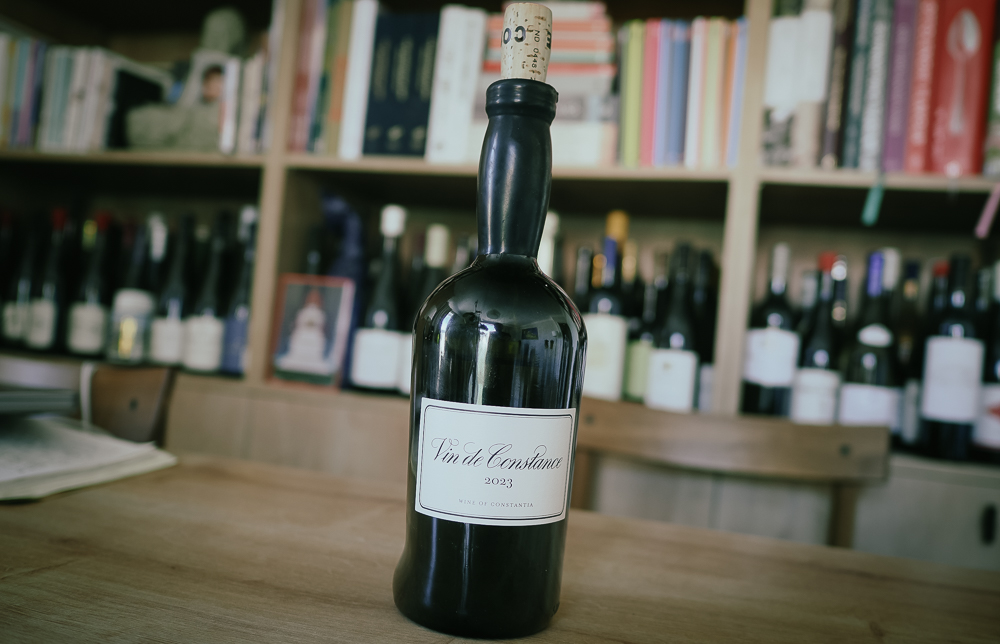
Klein Constantia Vin de Constance 2023 Constantia, South Africa
14% alcohol. This has wonderful youthful, grapey, floral aromatics with a hint of raisin and spice. Initially it seems forward, sweet and easy, but there’s some spicy complexity lying under the vivid ester and terpenic prettiness. The palate is complex and intense with some spicy structure, as well as table grape, apricot and peach fruitiness. It’s sweet and rich, but serious, with lots of potential to develop in bottle. Currently the intense sweetness and primary fruity aromas are dominating, but there’s a lot to come here. This is a wine with an amazing track record. At the UK price (£60 for the 2022 at the Wine Society), I think this is a bargain if you are going to cellar it for a decade. You are drinking history. 95/100